
Snappit logo
Snappit
Get App
Generic illustration, not a photograph of this venueIllustration
ParkTohoku, Japan

Sanriku Fukko National Park

Sanriku Fukko National Park follows the Pacific coast through Aomori, Iwate and Miyagi.

About

Sanriku Fukko National Park follows the Pacific coast through Aomori, Iwate and Miyagi. It is a chain of coastal places, fishing communities and habitats, rather than a single park you can cross in an afternoon. For a first visit, make Jodogahama in Miyako your destination. The visitor centre and nearby shoreline give you a satisfying small outing without adding a long-distance hike.

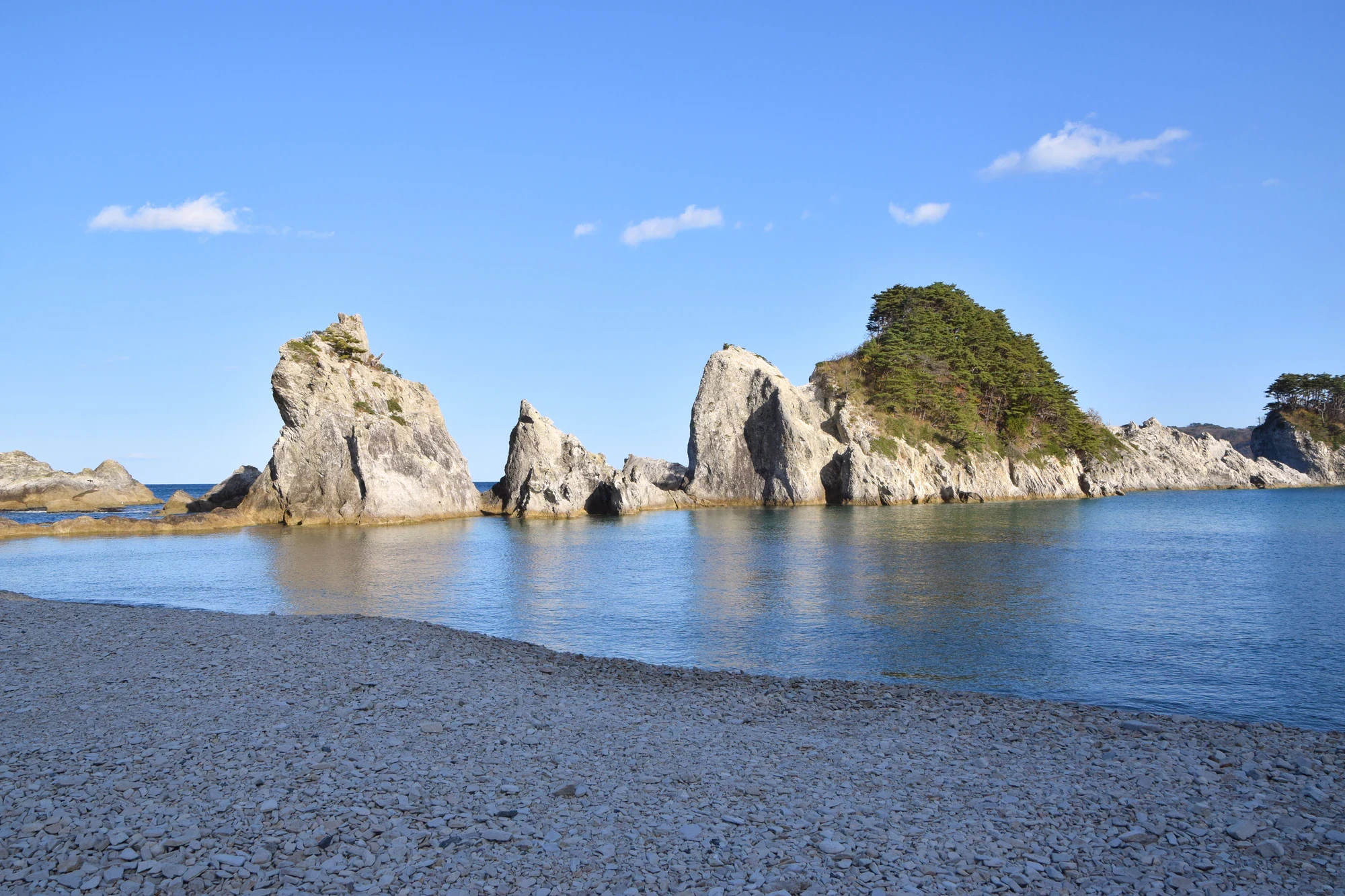
The pleasure here is in the contrasts: pale, sharply fractured rock against dark pines, with water that can shift from deep blue to green. The volcanic rhyolite formations reward a closer look. From the beachside path, pick out the different rock shapes and look for lines and cracks in the exposed surfaces. You can enjoy the geology without scrambling onto the rocks, and the pebbly shore is worth appreciating as a landscape in its own right.

Give the visitor centre some time before heading down. Its displays introduce the coast's nature and the people who live alongside it; staff can also help you choose a walk that fits the weather and your group. When the coastal path is open, follow it past the sightseeing-boat pier and Marine House toward Oku-Jodogahama, the main beach. Stop for gulls, views through the clear water and a rest by the bay, then retrace your steps. You can add a small-boat trip to the Blue Cave if the sea and your schedule allow it.

The word “Fukko” refers to reconstruction. The park was created in 2013 as part of the region's recovery after the 2011 earthquake and tsunami. That history belongs to living communities, as well as to memorials. Take time with the interpretation, support local businesses if you stop for food, and let residents decide whether they want to share personal experiences. Knowing how to leave the shoreline promptly is part of visiting this coast with care. Don't forget to bring the Snappit nature identification app along to scan local species.

Jodogahama formed part of Rikuchu Kaigan National Park from 1955. Sanriku Fukko National Park was created in May 2013 to support recovery after the 2011 Great East Japan Earthquake and tsunami, bringing nature, local livelihoods and disaster-preparedness learning together. The name Jodogahama is traditionally linked to a monk who likened the scenery to the Buddhist Pure Land in the late seventeenth century.

What to do here

Begin with the visitor-centre displays and a check of coastal-path conditions. Walk toward Oku-Jodogahama along the signed shore path, pausing to compare the white rock shapes and watch birds from a comfortable distance. Spend some time at the main beach and return the same way. If the sea is suitable, ask Marine House about a Blue Cave sappa-boat trip; leave room for a queue, and enjoy the shore if boats cannot run.

Seasonal info

Spring and summer can bring yamase, cold sea air and fog that make the waterfront feel much colder than town. Bring a layer even on a warm day. The Blue Cave boats normally run March–November; the larger Miyako Umineko Maru has seasonal reductions and a special winter timetable. Winter walks need particular care on icy or wave-wet surfaces. The free park shuttle is seasonal: its published 2026 season ended September 30, so do not assume an autumn service.

Accessibility

The visitor centre lists wheelchair loans, accessible parking, a multipurpose toilet with an ostomy facility and baby-changing space, and a nursing room available through staff. Its building has lift access, and the coastal connection was designed with gentle gradients for wheelchair access. Ask staff about the lift and the usable path on the day; this does not make the pebbly beach or uphill viewpoints step-free. Miyako Umineko Maru accepts wheelchair users but has only one wheelchair securing position and no advance reservations for it. Check boarding arrangements with the operator.

Don't miss

1

White rhyolite formations framed by pines and blue-green water at Jodogahama

2

A short coastal outing that starts with the visitor centre and can turn back whenever you need

3

Black-tailed gulls and a change of scene between the bay and the wooded edge

4

An optional sappa-boat trip into the Blue Cave when the sea allows it

Pale jagged rock formations rise from blue water beside a white pebble beach, with green trees on the larger outcrop and a clear blue sky above.

Jōdogahama’s pale rock formations and tree-covered outcrops frame the water beyond its pebble beach. Photographed on 5 November 2020.

Jodogahama Beach (51969977762).jpg — Raita Futo, CC BY 2.0 (https://creativecommons.org/licenses/by/2.0/). Source: https://commons.wikimedia.org/wiki/File:Jodogahama_Beach_(51969977762).jpg. Resized and recompressed as WebP; no crop or retouching. · Creative Commons

Walks and routes

Visitor centre to Oku-Jodogahama and back

Ask for the open coastal route at the visitor centre, then use its B1 shore connection and follow signs past the sightseeing pier and Marine House toward Oku-Jodogahama. Enjoy the main beach and return by the same open path. Turn back sooner if the wind, surface or your group’s energy makes the full outing unappealing.

The connection was designed for wheelchair access with gentle gradients. Ask about the lift and present surface condition before descending. The pebbly beach and uphill side paths need separate consideration.

Visitor centre to Oku-Jodogahama and back

Start with the visitor centre. Ask about the shore path, weather, evacuation direction and any bear precautions before choosing how far to walk.

Walk out toward Oku-Jodogahama and back, with time for rock shapes, birds and a pause at the main beach. You can turn around at an earlier suitable point.

Leave a buffer for a rest, the return bus and another look at the displays. Add a boat trip only if its departure and return fit comfortably.

Things to try

Read the white rocks

Choose one exposed rock face from the path and look for bands and fractures. Then compare its shape with the next formation. Ask children which outlines look similar and which seem different; the aim is close looking, not naming every geological feature. Leave stones and shoreline life in place.

Give a gull five quiet minutes

Watch one bird from a distance and describe what it actually does: rests, preens, walks, flies or searches for food. An adult black-tailed gull’s yellow legs and dark tail band can help with identification, but folded black wing tips are not the same thing as a black tail. Do not feed birds on land.

Choose the boat that fits your day

The Blue Cave sappa trip is a small-boat outing from Marine House, advertised at about 20 minutes before any queue. Miyako Umineko Maru runs a larger sightseeing route between Jodogahama and Dezaki Wharf. Before boarding at Jodogahama, ask how and when you will get back: the sightseeing leg ends at Dezaki, and a return can involve waiting. Leave either trip out when sea conditions are poor.

Make the indoor stop part of the outing

Pick one thing from the visitor-centre displays to look for outdoors: a rock shape, a coastal habitat or a connection between the sea and local livelihoods. If the weather closes in, spend longer with the exhibits rather than trying to complete a checklist outside.

Stay with the visitor-centre displays

Use the indoor interpretation and ask staff whether any short outdoor stretch is sensible. A boat cabin is not a substitute for a safe-weather plan when sailings are cancelled, and a closed shore path is a reason to change the outing.

Wildlife and habitats

Listen for the mewing call, then look for an adult’s yellow legs and dark tail band. Watch from the path and let birds continue resting or feeding naturally.

If you visit in the colder part of the year, scan the bay for a slim-billed duck that dives rather than just drifting on the surface. A narrow reddish bill and untidy crest are useful clues; a sighting is a bonus, not part of the itinerary.

Pause near the wooded edge and watch the twigs rather than chasing small birds through the trees. Long-tailed tits are one of the birds recorded here; enjoy whatever appears, and keep to the open path.

Birds come and go, so keep the outing enjoyable even when these species stay out of view.

Stories and discoveries

The white rock began as magma

Miyako City dates Jodogahama’s rhyolite to about 44 million years ago. Its pale colour is associated with its silica-rich composition; flow patterns and cooling fractures offer clues to that volcanic origin.

A seaside name that sounds like a cat

The Japanese name umineko means “sea cat”, reflecting the black-tailed gull’s mewing call. The English name draws attention to a different clue: the adult’s dark tail band.

Reconstruction is part of the park’s purpose

Created in 2013, Sanriku Fukko National Park connects nature conservation with the recovery of coastal communities and learning how to live with natural hazards.

When to visit

spring

A fine day works well for walking; keep a warm layer for the seafront. Ask about local flowers if you want to add a short woodland stop, and check current bear advice first.

summer

Use the official swimming-season notices and expect the weather to decide the day. Yamase can bring fog and a sudden chill; boat and path closures can still happen in high summer.

autumn

Look for white hamagiku flowers beside the coastal path without stepping into the vegetation. Shorter boat timetables and the end of the shuttle season make the return plan important.

winter

Make a shorter outing around daylight and the visitor centre. Watch for ice and wave-wet surfaces; Blue Cave boats normally close for winter, and the larger boat has a special schedule.

Getting there and practical advice

Jodogahama Visitor Center

Free displays, local advice and the starting point for this outing. Open 09:00–17:00, closed December 29–January 3; check for exceptional closures before travelling. Ask staff for wheelchair loans or the nursing room.

Jodogahama Rest House

A place near the main beach to ask about food and refreshments. Check opening arrangements before relying on it for lunch.

Use Iwate Kenpoku Bus from Miyako Station. Check the Jodogahama–Miyako Hospital timetable, including whether your chosen bus calls at the visitor centre or Oku-Jodogahama. Save the return timetable so you can enjoy your walk without rushing for a bus.

www.iwate-kenpokubus.co.jp

Use the public parking areas and begin at the visitor centre. The internal road beyond First Parking Area is restricted to ordinary vehicles April–October. A permit can be requested for people with difficulty walking; eligibility is decided locally.

The free internal shuttle is a separate seasonal service. The published 2026 operating period finished September 30. Check the next season’s announcement before making it part of an accessible or one-way plan.

www.iwate-kenpokubus.co.jp

Lift-equipped visitor centre, wheelchair loans and multipurpose toilet. The shore connection was designed with gentle gradients, but ask about current operation and the whole intended journey, including the return ascent. Do not assume that every viewpoint or the loose-pebble beach is accessible.

Miyako Umineko Maru says wheelchair boarding is possible and provides one wheelchair securing position. It does not take advance reservations for that position; discuss your party’s needs and companion arrangements with the operator before travelling.

Ask Marine House directly about boarding, balance, child equipment and any mobility needs before choosing a small-boat excursion. Do not assume the larger boat’s wheelchair arrangements apply to a sappa boat.

Sources and useful links

Wildlife you might spot

3

Each card links to a full Explore page with photos, traits, and fun facts.

We are still adding species preview cards for this place.

Snap map for this place

Start with the big picture, then zoom in to explore individual wildlife observations around this place.

Loading map…

Good to know before you go

Start at Jodogahama Visitor Center. Current hours are 09:00–17:00, with closure December 29–January 3; entry is free. Confirm exceptional closures before travelling.

Before descending, find the signed tsunami evacuation direction. If you feel strong or long shaking, or a tsunami warning or advisory is issued, leave the coast immediately for higher ground. Do not wait to see a wave or return until the warning or advisory is lifted.

Obey coastal-path barriers. High waves can close the route, and wet rock, spray and winter ice are reasons to shorten the outing. Keep children beside you and stay off exposed rocks.

Check the return bus before setting out from Miyako Station. The visitor-centre stop and Oku-Jodogahama stop serve different points of the visit, and weekday and weekend timetables differ.

From April 1–October 31, ordinary cars cannot use the internal beach road. People who have difficulty walking can apply for a vehicle permit at the First Parking Area road-management booth; ask there before driving farther.

Watch gulls without feeding them on land: feeding is prohibited there. Keep snacks packed away and give resting birds space instead of trying to draw them closer.

Check current bear information with the centre before adding wooded walks. Miyako advises travelling in groups, making your presence audible and taking extra care around dawn and dusk; do not leave food or rubbish behind.

Treat boat trips as weather-dependent extras. Check the departure point, return sailing and final service before buying a ticket, especially if your car or bus connection is back at Jodogahama.

Frequently asked questions

No. It is one coastal section in Miyako, Iwate. The national park reaches through three prefectures, and other places such as Kitayamazaki, the Goishi Coast and the Oshika Peninsula need their own travel plans.
No. The visitor centre and open coastal path make a complete short outing. The Blue Cave sappa boats are small-boat excursions from Marine House, while Miyako Umineko Maru is a separate, larger sightseeing service with a different route and timetable.
Yes. Iwate Kenpoku Bus serves the Jodogahama area from Miyako Station. Check which service stops at the visitor centre or continues to Oku-Jodogahama, and choose a return before you leave. The free internal shuttle is a separate seasonal service.
Use the designated beach only when it is officially open for swimming and conditions permit. Follow the posted guidance and keep children within close reach. This walking plan does not require entering the water or crossing rocks exposed by the tide.
Start by asking the centre about the lift, coastal-path condition and the easiest turnaround. There are useful accessible facilities, but beach pebbles and viewpoint climbs need separate consideration. A vehicle permit may be available for visitors who have difficulty walking.
Use the visitor-centre displays and ask staff what is suitable that day. Do not go around a barrier or assume that an old diversion is still available. A shorter indoor visit is a sensible choice in rough weather.

Recent snaps at this place

Recent snaps will appear here as new observations are added.

View all ›

Take the discovery with you

Exploring Sanriku Fukko National Park?

Identify the wildlife you spot, learn as you go, and keep a collection of the adventure.

  1. 1Spot it
  2. 2Snap it
  3. 3Keep the discovery
