Snappit logo
Snappit
Get App
Generic illustration, not a photograph of this venueIllustration
ParkBR

Ibirapuera Park

The most rewarding approach is to choose two themes instead of trying to see everything.

About

The most rewarding approach is to choose two themes instead of trying to see everything. Pair water and trees for a quiet visit, or combine the Marquise and sculpture garden with one museum. The outdoor spaces make a worthwhile destination in their own right; interiors are optional additions with their own admission arrangements. A flexible plan is particularly useful if an exhibition queue, a rain shower or a tired child changes the pace.

Nature here is urban and managed, not an untouched forest. The municipal herbarium documents both native plants and cultivated introductions. Flamboyant (Delonix regia), for example, is explicitly recorded as an exotic cultivated tree. Notice how different leaves and branching patterns change the shade, but do not assume that an impressive tree grew here naturally. Keep plant observations on the paths rather than entering beds or collecting seeds.

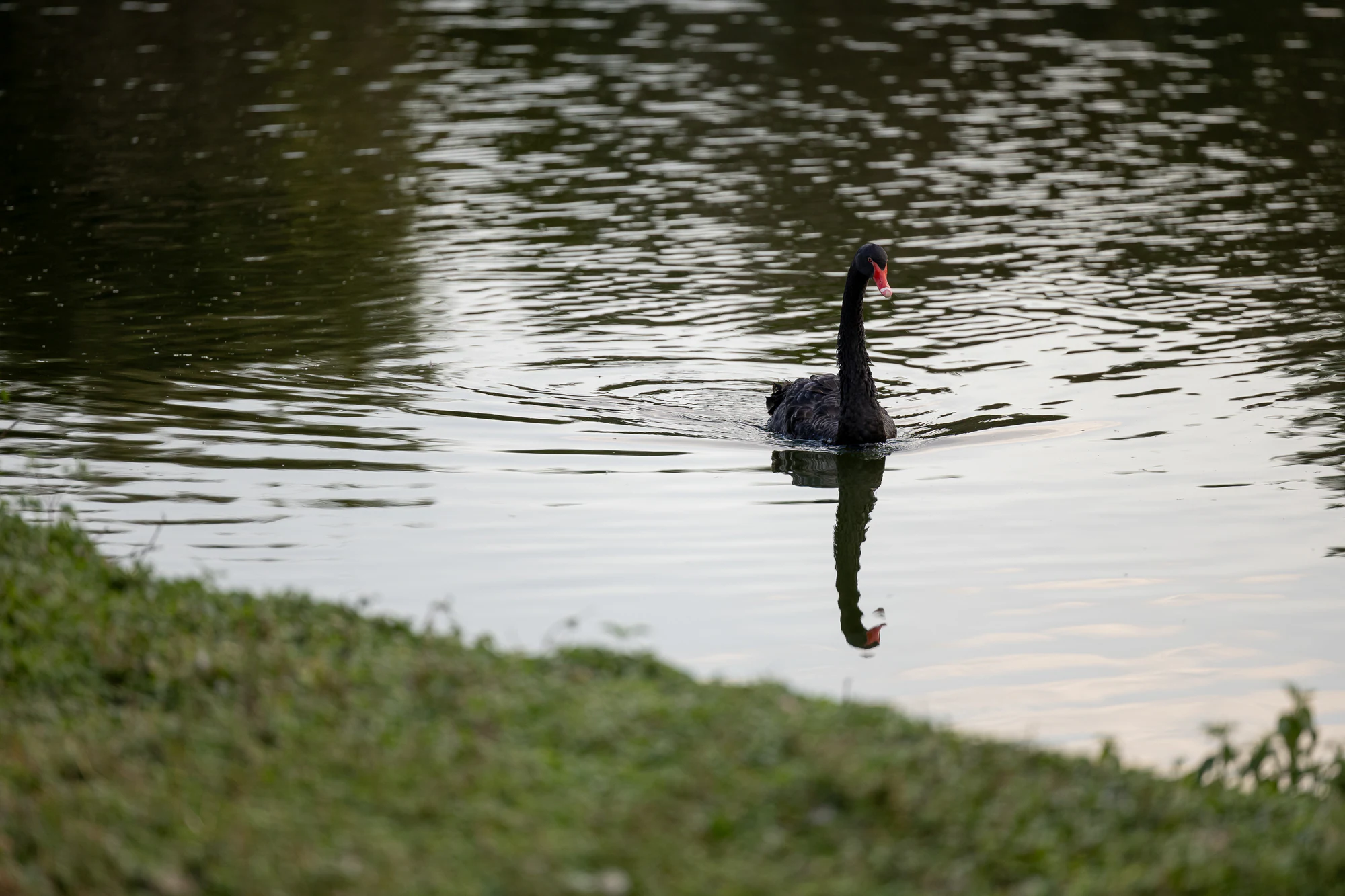
The historical wild-fauna inventory includes great egret (Ardea alba) and black-crowned night heron (Nycticorax nycticorax). These records give birdwatchers a useful starting point, not a promise of a sighting today. Watch the margins of the water patiently and allow birds to choose their distance. Ornamental or managed waterbirds must not be confused with native wild fauna. The archival pond photograph accompanying this guide is intentionally not a species-identification plate.

Art also rewards slow looking. MAM’s free outdoor sculpture garden places artworks within landscaping commissioned from Burle Marx’s office. Look at a sculpture from two public viewpoints and compare the spaces around it, not only the object. This is a good way to enjoy the cultural side of Ibirapuera even when you have no appetite for a long gallery visit.

Choose Museu Afro Brasil Emanoel Araujo for African and Afro-Brazilian art, history and memory, with particular attention to Black contributions to Brazilian society. Its setting is the Padre Manoel da Nóbrega pavilion, designed by Oscar Niemeyer. Choose MAM for modern and contemporary art, chiefly Brazilian, and check the temporary exhibitions rather than assuming the entire collection is on view. The MAM building was adapted by Lina Bo Bardi in 1982, adding another layer to the park’s architectural story. Turn your visit into a safari! Use the Snappit app to scan and log wildlife sightings here.


What to do here

Begin with one manageable outdoor area, then decide whether to continue toward the cultural buildings. Watch waterbirds without feeding them, explore the sculpture garden, or use the designated walking and cycling spaces. For a museum visit, choose the institution first and plan around its own last-admission time. The Marquise is again part of the experience: the city announced its reopening on 24 January 2026 after restoration. Follow the marked activity zones rather than treating the whole covered space as a skating track.

Seasonal info

São Paulo generally has wetter summers and drier winters, but the day’s forecast matters more than the label. Carry a light rain layer in any season, and change the plan if wind or thunderstorms are forecast.

Accessibility

The municipal profile identifies accessible entrances, circulation areas, toilets and some exercise equipment. That is not a certification of every route. For wheelchair or stroller users, choose a short paved outing and confirm the best gate and operating toilet with staff.

Don't miss

1

A slow watch beside the water rather than a rushed circuit.

2

The Marquise, reopened in January 2026 with defined shared-use zones.

3

MAM’s free outdoor sculpture garden.

4

One carefully chosen museum rather than an exhausting cultural checklist.

A dark waterbird with a red bill swims across reflective pond water, with a softly focused grassy bank in the foreground.

A waterbird on a pond at Ibirapuera Park in São Paulo. Archival photograph by Rodrigo Costa/Alesp; exact capture date unverified.

Rodrigo Costa/Alesp · Creative Commons

Walks and routes

Water, shade and an unhurried return

Allow 60–90 minutes for an out-and-back wander chosen from your arrival gate. Use the posted map to find an open public lakeside section, pause for a few minutes of quiet birdwatching, then return through a shaded public path. Turn around while the group is still comfortable. This is a suggested outing, not a measured or signposted trail; no distance, exact loop or guaranteed step-free alignment is claimed.

Marquise and outdoor art

Set aside 90–120 minutes for the cultural area, combining the Marquise with MAM’s sculpture garden. Walk rather than cycle between the artworks; look for the change from open lawn to covered space and compare how each frames the art. Choose three pieces to discuss instead of trying to identify everything. Respect barriers and labels: sculpture is not automatically climbable or touchable. Add a gallery only if its current programme interests you.

One museum, with outdoor breathing space

For a half-day, begin with a short park walk and devote the main part of the visit to either Museu Afro Brasil Emanoel Araujo or MAM. Leave a separate allowance for entry, food and the walk back to your exit. This avoids the common mistake of spending the entire day moving between buildings. On Mondays, plan an outdoor visit rather than assuming these two museums will be open.

Things to try

A family observation game

Choose a few things to notice without collecting them: a reflection, two different leaf shapes, a bird sound and a sculpture with an unexpected outline. Let children set the pace and finish with a rest. Keep the activity observational rather than encouraging anyone to approach animals or leave the paths.

Cycle with a plan

Use designated cycling areas and check the rental terms, equipment condition and return deadline before paying. The city lists bicycle rental service from 08:00 to 20:00. A bicycle is useful for recreation, but is not permission to ride through galleries, crowded footpaths or the entire Marquise.

Watch rather than disturb

Try a ten-minute stationary birdwatch instead of following every movement. Record what you actually observe, including uncertain identifications. A historical species list can suggest possibilities, but a brief distant view is not enough to name every bird confidently. Keep food sealed and avoid recordings intended to lure birds closer.

Stories and discoveries

A park born in a city anniversary

Ibirapuera opened on 21 August 1954 during São Paulo’s fourth-centenary celebrations. Its appeal still comes from bringing green space and civic culture together, rather than separating a park visit from the life of the city.

Not all the landscaping has the same author

Burle Marx’s office designed the later MAM sculpture garden, inaugurated in 1993. That specific commission should not be simplified into a claim that he designed every part of today’s park.

A restored roof, with new rules

The reopened Marquise is not an unrestricted sports hall. Its 2026 regulation assigns spaces for skating, BMX Freestyle Flatland and children’s use; regular cycling belongs on the park’s cycleways. Look for the boundaries before joining an activity.

Getting there and practical advice

AACD-Servidor, on Line 5-Lilás, is a practical rail approach. The operator gives roughly one kilometre to the park; this is not a step-free-route assessment. Check a current journey planner for buses and crossings to your chosen entrance rather than treating a dated event’s access instructions as permanent.

Ask about the complete journey from street or parking area to your intended stop, not only whether the park has accessible facilities. Kerbs, temporary barriers, wet surfaces and busy crossing points can change a simple outing. No measured gradient, all-weather surface audit or continuous step-free itinerary was verified for this guide. Allow a companion or rest stops if useful, and check museum access requirements directly.

Keep children close beside water and when crossing cycle routes. Follow any storm, maintenance or event barriers immediately; a published opening schedule is not a live safety clearance. Carry valuables securely and use a specific, well-understood exit for the return trip. Ask uniformed park staff for assistance if someone is hurt or lost. The city lists the park first-aid facility from 07:00 to 19:00, so do not assume round-the-clock onsite clinical cover.

The municipal listing gives playgrounds and sports courts a 05:00–23:00 schedule. Toilet blocks 1–3 are listed for 06:00–18:00 and blocks 5–8 for 05:00–23:00. These are numbered facilities, not entrance gates. For food, MAM’s restaurant can be used independently of gallery admission and currently lists Tuesday–Sunday, 10:00–18:00. Bring drinking water and identify a working toilet early rather than depending on every service being available.

Checked on 22 October 2026: MAM lists Tuesday–Sunday, 10:00–18:00, last entry 17:30; full admission R$40 plus the published R$1.20 Eventim fee, with free admission on Sundays. Museu Afro Brasil Emanoel Araujo lists admission Tuesday–Sunday, 10:00–17:00, with visitors able to remain until 18:00; full admission R$15 and Wednesdays free. Both offer concession policies. Recheck holiday arrangements, eligibility and checkout totals. These prices do not cover rentals, parking or unrelated events.

Sources and useful links

Wildlife you might spot

3

Each card links to a full Explore page with photos, traits, and fun facts.

We are still adding species preview cards for this place.

Snap map for this place

Start with the big picture, then zoom in to explore individual wildlife observations around this place.

Loading map…

Good to know before you go

Save the number or name of your arrival gate and choose a clear meeting point before splitting up.

Bring water, sun protection and comfortable shoes. Leave enough carrying space for a rain layer rather than relying on uninterrupted good weather.

Keep binoculars or a camera ready, but stop out of the flow of runners and cyclists before looking through them.

Make a toilet stop before a long museum visit or a late walk: service hours can be shorter than park hours.

Use the institution’s own website for tickets. An event advertised as being in Ibirapuera does not automatically include access to another attraction.

Frequently asked questions

General park entry is free. Museums, exhibitions, performances, rentals, parking and food have separate conditions. A free park entrance is not an all-attractions pass. Even on a museum’s free-admission day, check its opening hours and any booking requirements.
The municipal profile, updated in June 2026, lists daily park hours of 05:00–00:00. Gates and services do not necessarily share that whole window. Before an early or late visit, confirm your intended entrance and exit with the park; do not plan around an old online gate table.
The long restoration closure ended with the reopening announced for 24 January 2026. This does not rule out temporary restrictions for maintenance or events. Use the marked zones and obey staff directions on the day.
No. Park rules prohibit entering or swimming in the lakes and stream, fishing and feeding animals or fish. Photograph from the permitted paths, keep children back from the edge, and pack away food rather than sharing it with wildlife.
No direct entrance is established by the transport information checked here. AACD-Servidor on Line 5-Lilás is a useful approach, approximately a kilometre from the park according to the operator. Allow for the street journey and select an appropriate public gate before setting out.
Yes. Plan a water-and-trees walk, outdoor sculpture stop and rest break. A family may enjoy choosing just one place to linger rather than travelling between every landmark. Keep the return journey within everyone’s energy budget.

Recent snaps at this place

Recent snaps will appear here as new observations are added.

View all ›

Take the discovery with you

Exploring Ibirapuera Park?

Identify the wildlife you spot, learn as you go, and keep a collection of the adventure.

  1. 1Spot it
  2. 2Snap it
  3. 3Keep the discovery