Snappit logo
Snappit
Get App
Generic illustration, not a photograph of this venueIllustration
ParkKansai, Japan

Mizunomori Water Botanical Garden

At Mizunomori, a pond is much more than a pretty backdrop.

About

At Mizunomori, a pond is much more than a pretty backdrop. Some leaves float, some stand above the water, and others spend their lives below it. This municipal botanical garden on Kusatsu’s Karasuma Peninsula brings those differences close enough for children to notice without turning the day into a long hike. Give yourself time to stop, compare shapes and look twice.

In summer, start with the cultivated lotuses in the Teaching Garden and the displays around Lotus Hall. Then try to spot the differences between a lotus leaf and a water-lily leaf. Come in the morning, when more flowers are open. The huge natural lotus colony once growing beside the peninsula disappeared in 2016; today’s visit centres on the garden’s cultivated plants, including the community’s Hasu Ippai planting project.

Lotus Hall, also called the Lotus Pavilion in the English leaflet, gives the visit an indoor half. Its greenhouse contains tropical water lilies, while the small aquarium lets you look sideways into the world of submerged plants. Seek out nejiremo, a Lake Biwa plant with twisting, ribbon-like leaves, then use the displays to explore the place of lotus flowers in science and culture. The heated greenhouse is useful on a cold or rainy day, but it can feel warm in summer.

Outside, take a breather on the lakeside lawn or let younger children try the small play area. You can bring lunch for the designated eating spaces. A gentle garden visit works particularly well here: a flower stop, an indoor discovery and a little unhurried time looking across the lake. Take the ultimate field guide with you: use the Snappit app to identify birds, plants, and animals on your trip.

Mizunomori opened on 13 July 1996 beside the natural lotus beds of Lake Biwa. After the neighbouring wild colony disappeared in 2016, the garden started the Hasu Ippai project in 2017. Staff and local participants cultivate lotus plants within the garden, keeping a connection with that lost seasonal landscape.


What to do here

Compare cultivated lotuses and water lilies, explore Lotus Hall’s greenhouse and aquarium, and add the Wetland Garden or lakeside lawn according to the weather and everyone’s energy.

Seasonal info

Outdoor water lilies usually flower from late May through September, with the widest choice in June–July. Lotus varieties flower at different times from early summer into August. The greenhouse offers tropical water lilies through winter. Flowering changes with weather, and summer early openings apply only on announced dates.

Accessibility

Wheelchairs and strollers are available to borrow without reservations, subject to availability. Accessible toilets and ramps are listed, but there are slopes and some unpaved outdoor paths. Ask staff which route suits your chair; the greenhouse ramp may need assistance.

Don't miss

1

Cultivated lotuses close enough to compare flowers, leaves and seedheads

2

Water lilies outdoors in summer and in the heated greenhouse year-round

3

The aquarium’s underwater view of Lake Biwa plants

4

A lakeside lawn and a small play area for a relaxed family finish

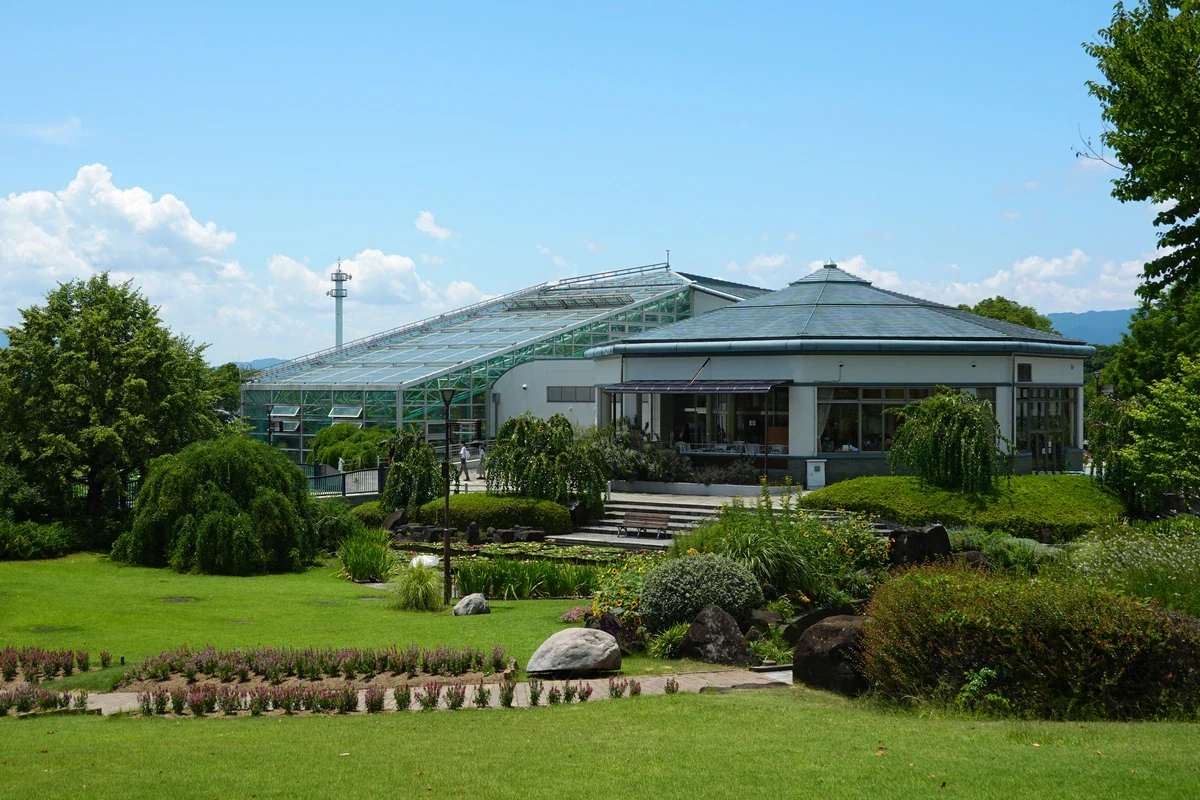
A green lawn, planted beds and rocks lead toward the glass greenhouse and adjoining low building at Mizunomori.

Garden planting and the Lotus Hall greenhouse at Mizunomori Water Botanical Garden, photographed in July 2025.

663highland, CC BY-SA 4.0. 250712 Mizunomori Water Botanical Garden Kusatsu Shiga pref Japan17s3.jpg. Source: https://commons.wikimedia.org/wiki/File:250712_Mizunomori_Water_Botanical_Garden_Kusatsu_Shiga_pref_Japan17s3.jpg. License: https://creativecommons.org/licenses/by-sa/4.0/. Proportional downsampling to fit 1200 × 1200 pixels, without enlargement; WebP quality 92, method 6. No crop, retouch, recoloring or text added. EXIF omitted. Source EXIF records Adobe Photoshop CS6 (Windows), modified 2025-07-18; no specific prior crop or retouch declared. Source rendering retained. · Creative Commons

Walks and routes

A summer morning of ponds and plants

Begin at Community Square and the Teaching Garden while the lotus flowers are open. Compare the outdoor water lilies, then step into Lotus Hall for the aquarium and greenhouse. Finish at the lawn or small play area if everyone still has energy. Use the entrance map to choose connecting paths, and shorten the outdoor section in strong heat.

Ask at the gate for a route avoiding steps and unpaved paths. You can leave out the wetland bridges and hillside paths without losing the main indoor plant displays.

A summer morning of ponds and plants

A shorter visit around Lotus Hall

Make three stops: underwater leaves in the aquarium, tropical water lilies in the greenhouse, and the lotus exhibits. Ask each person to choose one surprising plant detail. Add a quick look outside only if the weather is comfortable; the entrance approach is still outdoors.

The greenhouse viewing path changes level. Ask staff about the ramp before committing to the full circuit, especially with a manual wheelchair.

A shorter visit around Lotus Hall

Things to try

Play leaf detectives

Choose a lotus and a water lily with clear labels. Look for a notch in the leaf and decide whether it floats or stands above the surface. Sketch one of each without touching the plants. A flower’s height alone can mislead you, because tropical water lilies can also hold flowers above the water.

Look below the surface

At the aquarium, find the label for nejiremo and follow one twisting leaf from bottom to top. Compare it with a broad floating leaf elsewhere in the garden. Which parts of each plant are underwater? Let children explain what they notice before reading the display together.

Make a two-part pond picture

At Hanakage Pond, frame a plant and its reflection in the same photograph or sketch. Try again when the surface moves. Stay on the visitor path, keep the camera back from the edge and leave space for people to pass.

A rainy-day visit

Spend more time in Lotus Hall’s plant displays and exhibition rooms, with a break in the rest room. Bring rainwear for the walk from the gate and take care on wet outdoor surfaces. In severe weather, check the opening notice before travelling.

Wildlife and habitats

Sacred lotus, including Oga lotus

Look in the Teaching Garden in summer. Notice the round, unnotched leaves, flowers above the water and the distinctive seedhead left after petals fall. Oga lotus is one of the named forms grown here.

Water lilies

Compare the outdoor collection in early summer with the tropical plants in the greenhouse. Look for floating leaves with a notch. Check the labels for cultivar names rather than expecting every colour to be a different species.

Japanese iris

Visit the Wetland Garden around June for cultivated Japanese irises. Compare the white, purple, blue-purple and pink flowers from the paths. These are garden plantings, so leave any fallen pieces where they are.

These are cultivated garden plants. Displays and flowering change through the year, so use the plant labels and the latest flower report to guide your search. Leave flowers, leaves and seedheads in place.

Stories and discoveries

Some summer lotus pots around Community Square carry the names of the people who helped plant them. The Hasu Ippai project makes the care behind a flower display part of the visit.

Hanakage Pond’s giant South American water lily is Victoria cruziana. In summer, look for the raised rim around its huge leaf. Admire it from the path; any supervised leaf-riding event has its own dates and rules.

When to visit

Spring into June

Enjoy the changing flower beds, then shift your attention to water lilies and Japanese irises as early summer arrives. The June iris displays are a good chance to compare cultivated flower colours in the Wetland Garden.

July and August

Start early for lotuses, then look for the giant lily leaves at Hanakage Pond. Carry water and take breaks. The announced 07:00 openings were limited to July weekends and public holidays in 2026; check the next summer’s calendar rather than assuming the same arrangement.

Autumn

Look beyond the summer ponds to seasonal planting and the autumn-flower areas. In the staff report for 14 October 2026, the chrysanthemum displays were still green and developing, while Japanese anemones were flowering. Use the latest report to choose your own date.

Winter

Make the heated greenhouse the focus, with a short outdoor wander if the weather is kind. From 1 November to 28 February the garden closes at 16:00 and the greenhouse at 15:30, so plan this as a morning or early-afternoon outing.

Getting there and practical advice

Packed-lunch space

Lotus Hall has a free rest room where you may eat your own food. Outdoor eating is allowed in designated areas such as the lawn. Take all rubbish home; eating elsewhere inside Lotus Hall is not permitted.

With a baby or toddler

The nursing room is in Lotus Hall’s entrance hall. Baby-changing beds are provided at three toilet locations. The garden lists five loan strollers, five wheelchairs and five walking aids; none can be reserved.

Restaurant and snack stop

The restaurant serves lotus-seed noodles and lotus soft-serve, with views over the garden. Check meal-service times before you settle into a long walk. It is scheduled to close on 10–12 November 2026 for air-conditioning work; the shop and rest-area vending machines are due to remain available.

From JR Kusatsu Station

Take an Ohmi Railway bus from the station’s west exit toward Lake Biwa Museum and Mizunomori, and get off at Mizunomori. The garden gives a journey time of about 25 minutes. Check the latest outbound and return departures before leaving the station; do not plan around an assumed frequent service.

Parking at the garden

Garden visitors can use the free car park, which has 84 spaces including four accessible spaces. Bicycle parking is also provided for visitors. The peninsula’s overnight vehicle barriers mean a lakeside setting does not make this a round-the-clock car stop.

Choose the route before setting off

The regional access survey lists a step-free main gate and ramps, including an interior ramp of 10%. Some outdoor paths are unpaved. Ask staff to identify the gentlest route and whether assistance is needed for your wheelchair or stroller; the whole garden should not be assumed level.

Toilets and advance questions

An accessible toilet is listed, but the survey does not list an adult changing bed or ostomate facilities. For a specific access need, contact the garden before travelling. If 077-568-2332 is hard to reach, use the official enquiry form, as the operator advises.

Sources and useful links

Wildlife you might spot

3

Each card links to a full Explore page with photos, traits, and fun facts.

We are still adding species preview cards for this place.

Snap map for this place

Start with the big picture, then zoom in to explore individual wildlife observations around this place.

Loading map…

Good to know before you go

Put flower viewing before lunch

many lotus and water-lily flowers close as the day goes on.

Check the opening calendar. Mondays are usually closed, and winter hours begin on 1 November.

Bring drinking water and a sunhat in summer. Keep children beside you at ponds, bridges and the lake edge.

Pack out every wrapper

the garden has no rubbish bins. Eat only in the designated spaces.

Leave pets, balls, insect nets, tents and wheeled play equipment at home. Assistance dogs are allowed.

If you need a loan wheelchair or stroller, ask as soon as you arrive; these cannot be reserved.

The restaurant is scheduled to close on 10–12 November 2026. Bring lunch if visiting then.

Take flower photographs without blocking the path. Tripods may be restricted when the garden is busy.

Frequently asked questions

The former large colony beside Karasuma Peninsula disappeared in 2016. Visit for the cultivated lotus displays within Mizunomori, and check the current flowering report.
Checked on 16 October 2026: adults ¥300; high-school and university students ¥250; visitors aged 65 and over ¥150; junior-high-school age and younger free. Bring proof of age or student status for the relevant category. Eligible disability discounts are explained on the official visitor page.
Normally 09:00–17:00, with last entry at 16:30. From 1 November to 28 February, it is 09:30–16:00, with last entry at 15:30. The greenhouse closes half an hour before the garden. Closed Mondays, or the next weekday if Monday is a public holiday, and 28 December–4 January. Check the dated calendar for exceptions.
Yes. Use the lawn’s permitted eating areas or the free rest room in Lotus Hall for a packed lunch. Bring your own stroller if you need one for certain; loan stock is limited. There is a nursing room in Lotus Hall and baby-changing beds in three toilet locations.
Yes, but leave enough time for a separate museum visit. The garden describes a five-to-ten-minute walk from its gate by the shortcut. Check the museum’s own calendar and admission arrangements before going.

Recent snaps at this place

Recent snaps will appear here as new observations are added.

View all ›

Take the discovery with you

Exploring Mizunomori Water Botanical Garden?

Identify the wildlife you spot, learn as you go, and keep a collection of the adventure.

  1. 1Spot it
  2. 2Snap it
  3. 3Keep the discovery