Snappit logo
Snappit
Get App
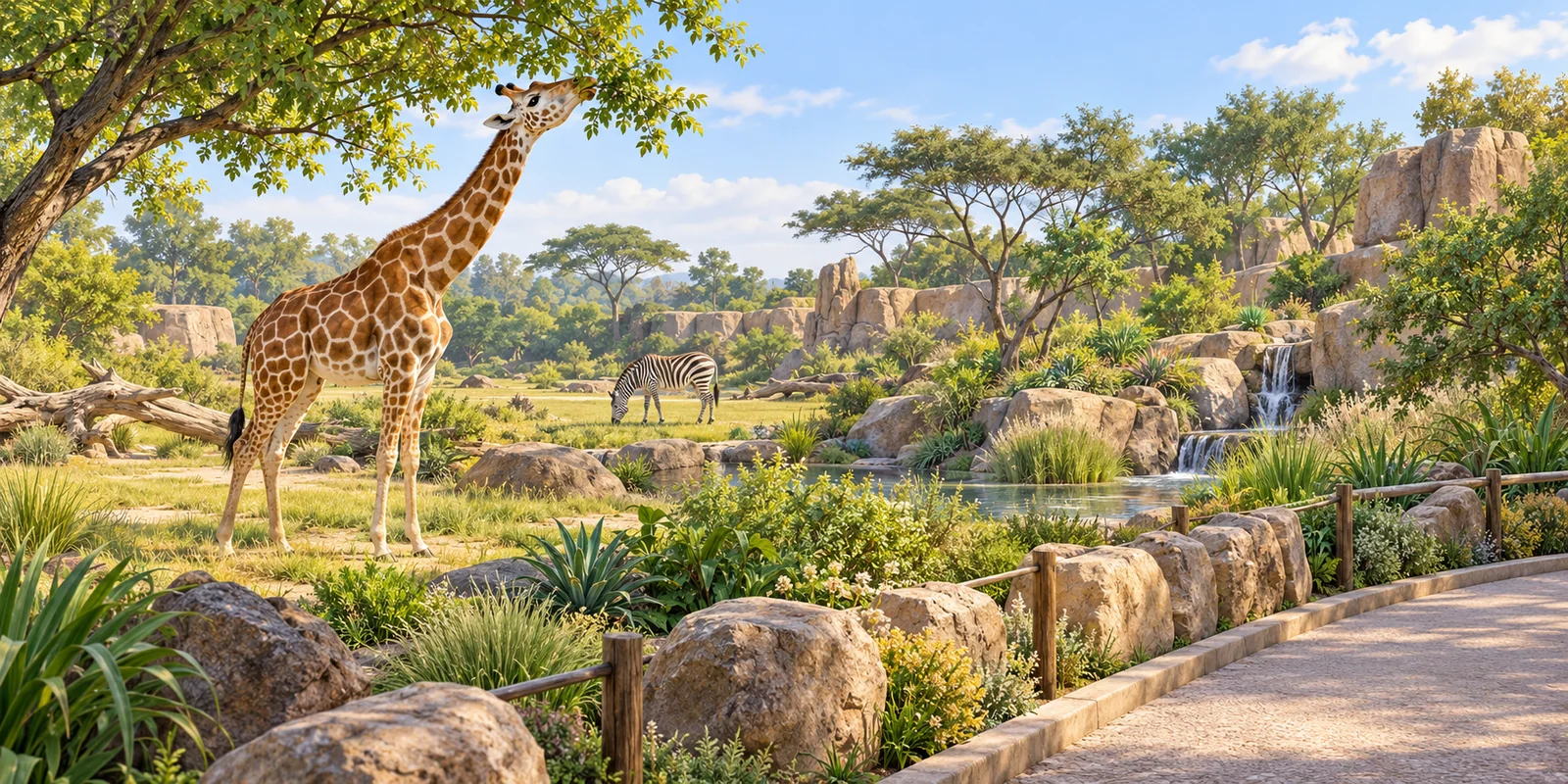
Generic illustration, not a photograph of this venueIllustration
ZooThüringen, Germany

Tiergarten Eisenberg

Visit Tiergarten Eisenberg for close encounters with animals in a small garden where the birds, farmyard and old castle folly all fit into an unhurried family outing.

About

Visit Tiergarten Eisenberg for close encounters with animals in a small garden where the birds, farmyard and old castle folly all fit into an unhurried family outing. Pick up the free printed plan at the entrance and follow the indicated circuit. Across 2.5 hectares, the pleasure is in stopping: watching a wallaby move, listening inside the aviary or giving a child time to study a guinea pig.

The walk-through enclosures are central to the visit. Fallow deer, small goats, farm animals and Bennett's wallabies bring different kinds of animal watching into the same afternoon. Let each animal decide whether to approach, respect its retreat space and use only the zoo's own food wherever feeding is permitted. There is plenty to enjoy simply by looking.

The Australian aviary gives the day a different pace. Step inside, pause and follow a bird from perch to perch before trying to photograph it. Elsewhere, look for meerkats and hamadryas baboons, then spend time at the Bauernhof der Zwerge, the farmyard of miniature domestic animals. The nearby Tobeland playground and kiosk make a useful family pause.

Leave room for the garden itself. Its artificial castle ruin is a reminder of the unusual private garden that preceded the zoo. There is also a conservation story here: Eisenberg participates in European mink conservation and supports the little-owl reintroduction programme in the northern Harz foothills. Those projects offer a good conversation starter with children about what happens beyond a zoo's fences. Don't forget to bring the Snappit nature identification app along to scan local species.

The zoo opened in 1971 in the former Geyers Garten. Its creator, piano-parts dealer Felix Geyer, had laid out a garden with unusual trees, grottoes, winding paths and an artificial castle ruin. The ruin survives as one of the site's most distinctive features. The Australian walk-through aviary opened in 2011.

What to do here

Follow the circuit with three generous stops in mind: the walk-through animals, the Australian aviary and the farmyard. Ask children to compare how a deer, a wallaby and a bird move, then let them choose one animal to watch quietly. Build in Tobeland and, if they appeal, the Outback Ralley scooter track or Big Nugget Mine gold-panning attraction. Ask staff about the zoo's feeding-stick activity at the baboons before taking part.

Seasonal info

The zoo normally opens daily: 09:00–18:00 from March to October and 08:00–17:00 from November to February. Christmas Eve and New Year's Eve have shorter hours, 08:00–12:00. Severe weather can close the grounds. Check the official opening page before travelling, especially in winter; kiosk hours also depend on season and weather.

Accessibility

The garden includes steps, so arrange a suitable route in advance if you use a wheelchair, walking aid or pushchair that is difficult to lift. Call +49 36691 42271 to discuss entrance access, paths and toilet requirements. Toilets are shown by the Zooschule on the park plan. Dogs must remain on a lead and cannot enter animal enclosures, which matters when your family wants to visit the walk-through areas.

Don't miss

1

Walk-through encounters

Spend time with fallow deer and Bennett's wallabies at their own pace.

2

Australian aviary

Watch budgerigars and cockatiels in a 400-square-metre walk-through enclosure.

3

Miniature farmyard

Meet small domestic animals at the Bauernhof der Zwerge.

4

Garden with a past

Look for the castle folly among the animal exhibits.

Walks and routes

The zoo circuit

Follow the indicated circuit on the free entrance plan, taking longer stops at the animals that catch your interest. Use the playground and kiosk area as a pause rather than rushing to finish every attraction.

If you need a step-free route, discuss it with the zoo in advance.

The zoo circuit

A short animal visit

For 60–90 minutes, follow the circuit and choose a few longer animal stops. Keep the aviary or a walk-through enclosure as your main focus and leave the paid attractions for another visit.

An easy family half-day

Allow 2–3 hours, or longer if the children want several activities. Follow the circuit, stop at the farmyard, take a Tobeland break and linger in the aviary. Check the kiosk before making it your lunch plan.

Things to try

Three ways to move

Choose a deer, a wallaby and an aviary bird. Ask children to describe what each uses to move and balance, then make three quick sketches from the visitor paths.

A quiet minute

At Saumannshausen, watch how the guinea pigs move between shelter and open space. Let children choose a favourite coat pattern without disturbing an animal for a better view.

Keep a rainy visit flexible

Choose a shorter animal circuit during a break in the rain. Do not rely on the aviary or kiosk as an all-weather indoor programme; in persistent bad weather, another day will make the outdoor activities easier to enjoy.

Wildlife and habitats

Look for the shape of the ears and the different coats within the herd. Stand quietly, leave a clear way past and let any approach come from the deer.

Pause long enough to watch a change from resting to movement. Compare the short forelimbs with the hind legs and notice how the tail is positioned.

Try watching the group without food first: sitting close together and grooming can be as interesting as feeding. Ask staff about the approved feeding-stick activity and keep hands outside the enclosure.

Choose one animal to follow for a minute rather than trying to photograph the whole group. See whether it is watching, exploring or resting, without calling for its attention.

In the aviary, look for a perched bird before following one in flight. Compare feather colours and listen for different calls while keeping the entrance gates clear.

Look for the cockatiel’s head crest among the aviary birds. A quiet moment on a perch makes it easier to compare its outline with a budgerigar.

Watch how the guinea pigs use their little houses and retreat spaces. A child can compare coat patterns from the visitor area without picking up or pursuing an animal.

Compare the goats’ sizes, coats and horns, then watch what they choose to do when nobody offers food. Follow staff instructions for any permitted contact.

Look for ear positions and the way rabbits choose open space or shelter. Wait for them to come into view instead of reaching into a house or retreat.

Scan the perches slowly for a small, still owl. If it stays hidden, read about the zoo’s work with the northern Harz foothills programme rather than trying to draw it out.

Notice the emu’s long-legged outline and watch how it walks. Compare that ground-level view of a bird with the small flying birds in the Australian aviary.

These are animals kept by the zoo. Give them room to rest or move out of view; a listed animal is not a guaranteed sighting.

Stories and discoveries

A castle built for a garden

The ruin was part of Felix Geyer’s designed garden. Try spotting it as you walk, then imagine the grounds before the animal enclosures were added.

Conservation beyond Eisenberg

The European mink work involves conservation breeding; the little-owl project supports reintroduction in the northern Harz foothills. Ask which parts of that work visitors can learn about today.

When to visit

Make room for the weather

For a winter outing, choose the warmer part of the day and keep the playground break flexible. In any season, check storm notices before setting off and bring clothes suited to an outdoor visit.

Getting there and practical advice

Food, play and toilets

The kiosk is beside Tobeland and serves snacks, drinks and ice cream when open. Toilet facilities are marked with the Zooschule. Some play attractions are coin-operated, so agree a small spending budget with children before you reach them.

Arriving at Geyersberg

The zoo address is Geyersberg 2. Drivers should follow the signs to the car parking on Geraer Straße and then to the entrance. Parking is charged separately by the city; pay at the machine or through a supported parking app. For buses, plan both directions: line 450 calls at Tiergarten towards Eisenberg and Silberberg towards Crossen. Use the current JES timetable and VMT journey planner for connections and diversions.

Discuss the route first

Call +49 36691 42271 if steps, slopes or toilet access affect your visit. Explain the equipment you use and ask staff to help plan the entrance approach and circuit.

Sources and useful links

Wildlife you might spot

11

Each card links to a full Explore page with photos, traits, and fun facts.

Snap map for this place

Start with the big picture, then zoom in to explore individual wildlife observations around this place.

Loading map…

Good to know before you go

Take the free plan

Collect it at the ticket desk and follow the zoo's indicated circuit.

Use zoo food only

Do not offer food brought from home; follow each enclosure's signs and staff instructions.

Pack small coins

Some attractions need €1 or 10-cent coins. Keep a little change separate from your admission money.

Plan the food break

The kiosk's hours vary. Bring water and something for the family to eat if you need a dependable lunch.

Choose the right parking

Use the signposted car spaces on Geraer Straße. City parking costs €2 per day; camper pitches are reserved for motorhomes.

Check both bus directions

Line 450 uses Eisenberg, Tiergarten towards Eisenberg and Eisenberg, Silberberg towards Crossen. Check your date and return trip with JES or VMT.

Stay together

Children under 12 need an accompanying supervisor. Keep animal retreat areas clear and avoid shouting or tapping on glass.

Pause before photographing

Let animals settle, keep gates and paths clear, and take the picture from the permitted visitor area.

Frequently asked questions

Regular day tickets are €5 for adults and €4 for children aged 3–14. Festival admission can be higher. Parking and some attractions cost extra; check the official price page before your visit.
Follow the permissions for each enclosure. Some encounters allow stroking or feeding with zoo-provided food; animals must still be free to move away. Baboons have a separate feeding-stick activity, so ask staff how it works.
Dogs are admitted for a separate charge, on a lead. They cannot enter animal enclosures, including walk-through areas, so plan who will stay outside with the dog.
The address is Geyersberg 2, 07607 Eisenberg, Thüringen. Follow the zoo signs from the car parks on Geraer Straße to the entrance; car parking is separate from zoo admission.
The Zooschule offers pre-booked sessions for primary-school classes from March to October, with practical and classroom elements focused on domestic and farm animals. Contact the zoo in advance to arrange a session.

Recent snaps at this place

Recent snaps will appear here as new observations are added.

View all ›

Take the discovery with you

Exploring Tiergarten Eisenberg?

Identify the wildlife you spot, learn as you go, and keep a collection of the adventure.

  1. 1Spot it
  2. 2Snap it
  3. 3Keep the discovery