





Budgerigar
Melopsittacus undulatus
The Budgerigar, or budgie, is a small, colorful parakeet. They are friendly and love to chat with their owners!
Habitat: Grasslands and forests
The Budgerigar is a small, slender parrot known for its vibrant green and yellow plumage in the wild, with characteristic black stripes on its head, back, and wings. It has a distinctive blue cere above its beak. Pet varieties come in many other bright colors, differing visually from their wild ancestors.
Category
BirdsRarity
Common
Danger
2/5 · Low
Snaps
Be the first to snap!
Baby budgies are born blind and completely featherless!
Their eyes can see ultraviolet light, helping them find ripe seeds.
They are the third most popular pet bird in the entire world!
Wild budgies gather in enormous flocks, sometimes thousands strong!
Budgerigars can learn to imitate sounds and human words because of their flexible vocal cords, helping them communicate and bond.
Budgerigars have excellent eyesight and memory, which helps them find scarce water sources in vast, dry Australian landscapes.
Budgerigars have powerful, pointed wings that allow them to fly incredibly fast and maneuver skillfully through dense vegetation.
Budgerigars mainly eat small grass seeds and sometimes fresh plants.
Falco cenchroides
hunts them in open grasslands
Accipiter fasciatus
preys on small birds
Rytidosperma caespitosum
eats its tiny seeds
Eucalyptus camaldulensis
roosts in tree hollows
Wildlife encompasses all undomesticated animal and plant life existing in their natural habitats.
Feathered describes animals, primarily birds, possessing a covering of feathers.
Characterized by having toes connected by a membrane, typically aiding in swimming.
Social animals live in organized groups, cooperating for survival benefits such as foraging, defense, and raising offspring.

Singing animals produce complex vocalizations, often for purposes of attracting mates, defending territory, or communicating within their species.

Colorful describes organisms or objects displaying a wide range of bright and distinct colors.

Grassland habitats are terrestrial biomes dominated by grasses and herbaceous plants, supporting a variety of grazing animals.

This trait characterizes organisms whose diet consists entirely or primarily of plant material.
Danger
2/5 · Low
Watch quietly from a distance and never try to feed or chase wild animals.
The easiest way to identify Budgerigar is to use the Snappit nature identifier app.
18-20 cm
28-30 cm
0.03-0.04 kg
5-10 years
50 km/h
Budgerigars mainly eat small grass seeds and sometimes fresh plants.
Grasslands and forests
Zoom in to split clusters and explore where this object has been snapped.
Recent snaps will appear here as new observations are added.
.jpg&width=800)
Ohio, US
You might spot Reticulated Giraffe, Zebra, and American Bison.
View guide →

Texas, US
You might spot Reticulated Giraffe, Zebra, and White Rhinoceros.
View guide →

Illinois, US
You might spot Southern White Rhinoceros and Reticulated Giraffe.
View guide →
Florida, US
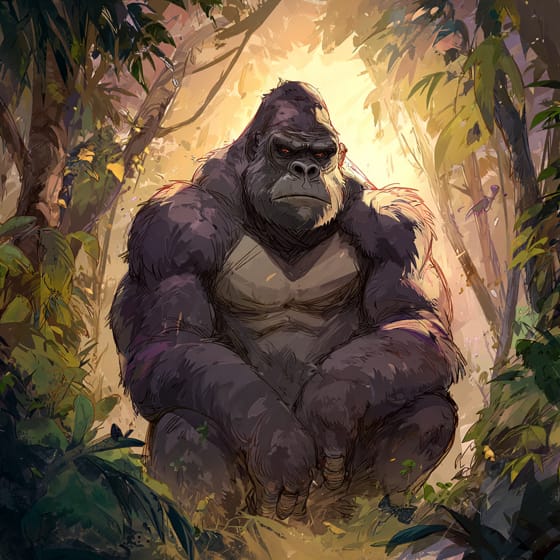
You might spot Gorilla and Reticulated Giraffe.
View guide →

Massachusetts, US
You might spot Gorilla, Giraffes, and African Lion.
View guide →
California, US
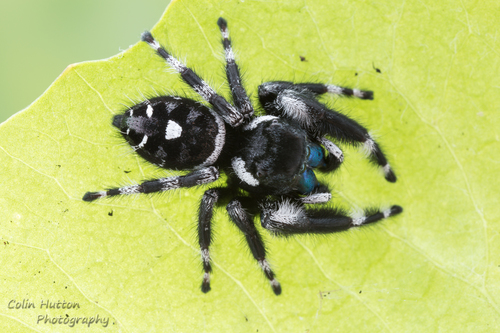
You might spot Bold Jumping Spider and Marbled Cellar Spider.
View guide →
Take the discovery with you
Snap it with Snappit to identify it, learn what makes it special, and add the discovery to your collection.




.jpg&width=800)








