Snappit logo
Snappit
Get App
Generic illustration, not a photograph of this venueIllustration
ZooSchleswig-Holstein, Germany

Wildpark Eekholt

Come to Wildpark Eekholt for a long woodland wander with wolves, river otters and red deer along the way.

About

Come to Wildpark Eekholt for a long woodland wander with wolves, river otters and red deer along the way. This 67-hectare wildlife park sits beside the winding Osterau, between Bad Bramstedt and Bad Segeberg. Trees, wet meadows and patches of moor give the animal enclosures a landscape of their own. Start with the park map and the day's feeding board at the entrance, then choose one animal talk to build your walk around.

The Eekholter Wolfsmeile makes a particularly good thread for the day. It starts at a carved oak wolf near the entrance and leads through learning stations to the wolf enclosure. In the Wolfshütte, panoramic windows look into the enclosure and activities explore wolf communication. Take time to watch before reaching for the camera: one wolf resting and another crossing the view can tell you more than a hurried photograph. These are captive wolves; the displays also explain their wild relatives and the practical questions raised by wolves returning to Schleswig-Holstein.

Otters, martens, foxes and badgers provide smaller, often easily missed encounters. The otters here are North American river otters, which the park calls Kanadische Fischotter. Keeper talks are a useful way into their story and into the differences between the park's two marten species. Farther around the grounds, let the pace slow by the deer meadows and the Osterau. The river has retained its winding course, with wet ground and alder woodland along its edges.

Children have plenty of reasons to keep walking, including play stations, a large playground and a domestic-goat petting area. Leave some energy for these instead of making the whole visit an enclosure checklist. A picnic and one seasonal bird-flight demonstration can comfortably fill out the day; there is no need to fit every feeding into a single visit. Be ready to snap and learn! Get the Snappit app to identify any nature species you find here.

Hans-Heinrich and Theda Hatlapa founded Wildpark Eekholt in 1970. Nature education developed alongside the animal collection: Schleswig-Holstein recognised it as a regional environmental education centre in 1999, followed by recognition as a sustainability education partner in 2007. That history helps explain the emphasis on habitats, hands-on learning and the relationship between people and wildlife.

What to do here

Use the official Kleiner Rundweg or Großer Rundweg as your walking framework, adding the Wolfsmeile and stops that suit your group. The park gives approximate circuit times of one hour and 2.5 hours; allow extra for watching animals, food and play. These are natural woodland paths with roots and gentle slopes, so the shorter choice still needs suitable footwear.

Pick a keeper feeding or a flight demonstration, then leave room for unplanned pauses. The seasonal flight display takes place on the Flugwiese with seating and a falconer's commentary; it is included in admission and does not run in rain. At the white-tailed eagle pavilion, children can compare their reach with an eagle's wingspan. On a longer visit, continue to the moor displays and notice how the surroundings change from riverbank to drier woodland.

Seasonal info

Spring to autumn adds the Bienenhaus observation hives and the seasonal flight programme. September and October are the red-deer rutting period, though organised rut walks run only on selected dates. Winter visits need enough daylight for the walk back. The soil-science and red-deer pavilions are listed as temporarily closed for renewal; check the pavilion page before counting on them.

Accessibility

Expect firm forest paths, roots, uneven patches and gentle inclines. Most information areas can be reached by wheelchair, but some viewing platforms have steps. Accessible parking is near the entrance, and accessible toilets are at the entrance and near the storks. Two wheelchairs are available to borrow without charge; reserve ahead. Driver-led electric-vehicle tours can be arranged in advance. Ask the park about your route and mobility needs rather than assuming every viewpoint is step-free.

Don't miss

1

Wolfsmeile

Follow playful learning stations to the Wolfshütte and its windows onto the wolf enclosure.

2

Osterau landscape

Walk beside an unstraightened river through wet meadows and woodland.

3

Keeper encounters

Choose an otter, marten or other feeding talk from the entrance board.

4

Room to play

Save time for climbing, balancing and the domestic goats near the playground.

Walks and routes

Kleiner Rundweg

Choose the smaller official circuit for a first visit with young children or a limited walking budget. Pick up the detailed park plan at the entrance and add only the stops that matter most to your group.

Ask staff to adapt the circuit to your needs. Some viewing platforms have steps, even though most information areas are wheelchair-reachable.


Kleiner Rundweg

Großer Rundweg

Use the longer official circuit when you want more time in the wider park landscape. Build in sitting and snack breaks, and allow extra time if you combine it with a talk or the playground.

Ask staff to adapt the circuit to your needs. Some viewing platforms have steps, even though most information areas are wheelchair-reachable.

Großer Rundweg

Eekholter Wolfsmeile

Begin at the carved wolf near the entrance and explore the learning stations towards the wolf enclosure. The Wolfshütte and the displays about livestock protection give older children plenty to discuss.

Eekholter Wolfsmeile

A flexible family half-day

Start with the map and programme board. Choose the small circuit, make time for one keeper talk, and finish with a picnic and playground visit. If watching an animal holds everyone’s attention, let a planned extra stop go.

A longer day outdoors

Choose the large circuit and allow time for the wolf learning stations and a quiet stretch beside the Osterau. Add a seasonal flight display if the weather allows, then use the remaining time for moor interpretation or a return to a favourite enclosure. Decide the order from the entrance map and daily board.

Things to try

Two martens, two ways of life

Visit both marten enclosures and ask each child to remember one difference from the interpretation or keeper talk. Compare the pine marten’s woodland life with the stone marten’s ability to live near people.

Follow the water

From the public paths, notice bends in the Osterau and the change from wet river edges to higher woodland. Ask which parts of the landscape look damp even when it has not rained today. Stay on the paths rather than exploring soft riverbanks.

Shorten the outdoor plan

Spend longer with the Wolfshütte interpretation and choose fewer outdoor stops. The moor museum and stork-house displays offer other possibilities if open. The soil-science and red-deer pavilions are listed as closed for renewal, so they should not be the basis of a rainy-day plan.

Wildlife and habitats

Use the Wolfshütte windows for a patient look across the enclosure. Watch how the animals position their ears and bodies, then try the communication activities. A keeper feeding is another chance to learn, but the wolves may still choose to stay out of sight.

Look at both the pool and its edges rather than fixing the camera on one point. These are North American river otters, a social species that Eekholt has bred since 2003. Use the day's feeding board to time a second visit if your first stop is quiet.

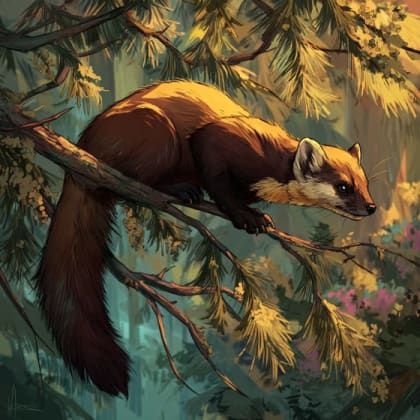
Give this smaller resident a deliberate stop rather than walking straight past. Eekholt keeps pine martens individually, reflecting their largely solitary lives. The keeper talk is a useful opportunity to ask how this forest-dependent animal differs from the stone marten.

Pair this stop with the pine marten and compare what you notice. Stone martens also live around human buildings and are mainly nocturnal there. If you find the enclosure quiet, check whether the fox, badger and stone-marten feeding is on that day's board.

Badgers normally spend much of the day underground, so an empty-looking enclosure need not mean anything is wrong. Try a patient pause or return for the keeper programme. The talk can help connect an animal you see briefly with the much larger life of its sett.

Watch from the public viewing side without calling or trying to draw the fox closer. The keeper feeding offers a chance to learn about a familiar but adaptable neighbour: red foxes use woodland edges and can also live around human settlements.

Take a wider photograph that includes the meadow, then look at how the herd groups itself. In the September–October rut, stags may roar and display. Stay at the designated viewpoints and check dates separately if a guided rut walk is important to your visit.

Look carefully before deciding the enclosure is empty: wildcats are naturally most active around dusk and at night. If a cat is visible, its thick, ringed tail with a blunt dark tip is worth noticing. Wait quietly and let the animal set the distance.

Combine a look at the eagle with the nearby interpretation about its life and conservation. The children's wingspan activity makes its size easier to grasp. This is the park's eagle exhibit; an appearance by this species in a flight demonstration is not promised.

These suggested animal subjects belong to the managed park collection. Domestic goats are a separate petting-area experience. No wild-wolf or free-ranging otter sightings are implied.

Stories and discoveries

A landscape left by ice

The Osterau valley belongs to a landscape shaped by meltwater at the end of the last Ice Age. Higher sandy ground carries woodland, while wetter hollows support bog and fen habitats. The changes you see along the walk are part of that older story.

When to visit

Choose the experience, then the season

For bird-flight demonstrations, use the published seasonal programme and keep a wet-weather alternative. For the red-deer rut, check the year’s guided-walk dates rather than assuming every autumn afternoon has a tour. Winter can suit a shorter walk, with admission times and remaining daylight checked before departure.

Getting there and practical advice

Food, rest and play

Picnic tables and benches make it easy to bring your own lunch. Kiek-ut-Stuben provides a restaurant option, and barbecue places require advance booking. The playground includes wheelchair-accessible play equipment, including a sand table, trampoline and roundabout. Ask about availability when planning a visit with particular access needs.

A rural arrival

For driving, use Stellbrooker Weg in 24598 Heidmühlen and the park’s free parking. For a car-free visit, check a date-specific journey to Eekholt, Wildpark Eekholt in HVV or DB and arrange the return before setting out. The park describes pre-booked AST 7509 services from Bad Bramstedt and school-day bus 7504 to Hof Weide, followed by about 15 minutes on foot. Confirm current operation, booking deadlines and the final walk; these are not frequent all-day connections.

Arrange support before arriving

The two loan wheelchairs can be reserved in advance. Ask about a driver-led electric-vehicle tour if a long walk is difficult, including capacity and wheelchair arrangements for your group. At the entrance, agree a route that avoids stepped viewing platforms and locate both accessible toilets.

Sources and useful links

Wildlife you might spot

9

Each card links to a full Explore page with photos, traits, and fun facts.

Snap map for this place

Start with the big picture, then zoom in to explore individual wildlife observations around this place.

Loading map…

Good to know before you go

Use the navigation address

Enter Stellbrooker Weg, 24598 Heidmühlen. The park has free car and coach parking; its postal address in Großenaspe is different.

Plan the journey home

Check both directions in HVV or DB before travelling. Rural connections can require advance booking or operate only on school days.

Pick one timed stop

Read the feeding board before setting off. Times can change, and the talks are included in admission.

Pack for forest paths

Wear shoes with grip and bring rain layers, including for children riding in a buggy or wagon.

Bring lunch if you like

Picnic tables are available. Kiek-ut-Stuben is the restaurant option; check its opening separately.

Wheels for small visitors

Handcarts can be hired, with advance reservations advised for event days. Balance bikes are allowed; bicycles and scooters are not.

Dogs have exceptions

Keep dogs on a lead; they cannot accompany you at the otter enclosure or on the Flugwiese.

Photograph considerately

Private photography and filming are allowed. Commercial use requires prior written permission from the park.

Frequently asked questions

The wolf-viewing experience is at the park’s captive enclosure. The Wolfsmeile explains wild wolves and their return to Schleswig-Holstein, but this visit is not a wild-wolf tracking trip.
Yes. Start with the small circuit, choose a single animal stop and leave time for the playground. A hired handcart may help when legs tire. Let the entrance map guide the final choice of paths.
The Wolfshütte and educational displays can break up an outdoor walk, but Eekholt is largely an open-air visit. Flight demonstrations are cancelled in rain. For persistent bad weather, shorten the circuit and check which buildings are open.
Only use feed supplied by the park and follow the signs and staff instructions for each enclosure. Do not offer picnic food. Watching a keeper feeding is an easy alternative.
Personal barbecues are not allowed. The park has barbecue sites and huts that must be booked in advance.

Recent snaps at this place

Recent snaps will appear here as new observations are added.

View all ›

Take the discovery with you

Exploring Wildpark Eekholt?

Identify the wildlife you spot, learn as you go, and keep a collection of the adventure.

  1. 1Spot it
  2. 2Snap it
  3. 3Keep the discovery