Snappit logo
Snappit
Get App
Generic illustration, not a photograph of this venueIllustration
ParkChubu, Japan

Yatsugatake-Chushin Kogen Quasi-National Park

Yatsugatake-Chushin Kogen Quasi-National Park stretches across very different mountain landscapes in Nagano and Yamanashi.

About

Yatsugatake-Chushin Kogen Quasi-National Park stretches across very different mountain landscapes in Nagano and Yamanashi. For a gentle introduction, make Yashimagahara Wetland in the Kirigamine highlands your destination. The Yatsugatake summits and Utsukushigahara plateau deserve separate days; here, the reward is having time to notice a much smaller landscape.

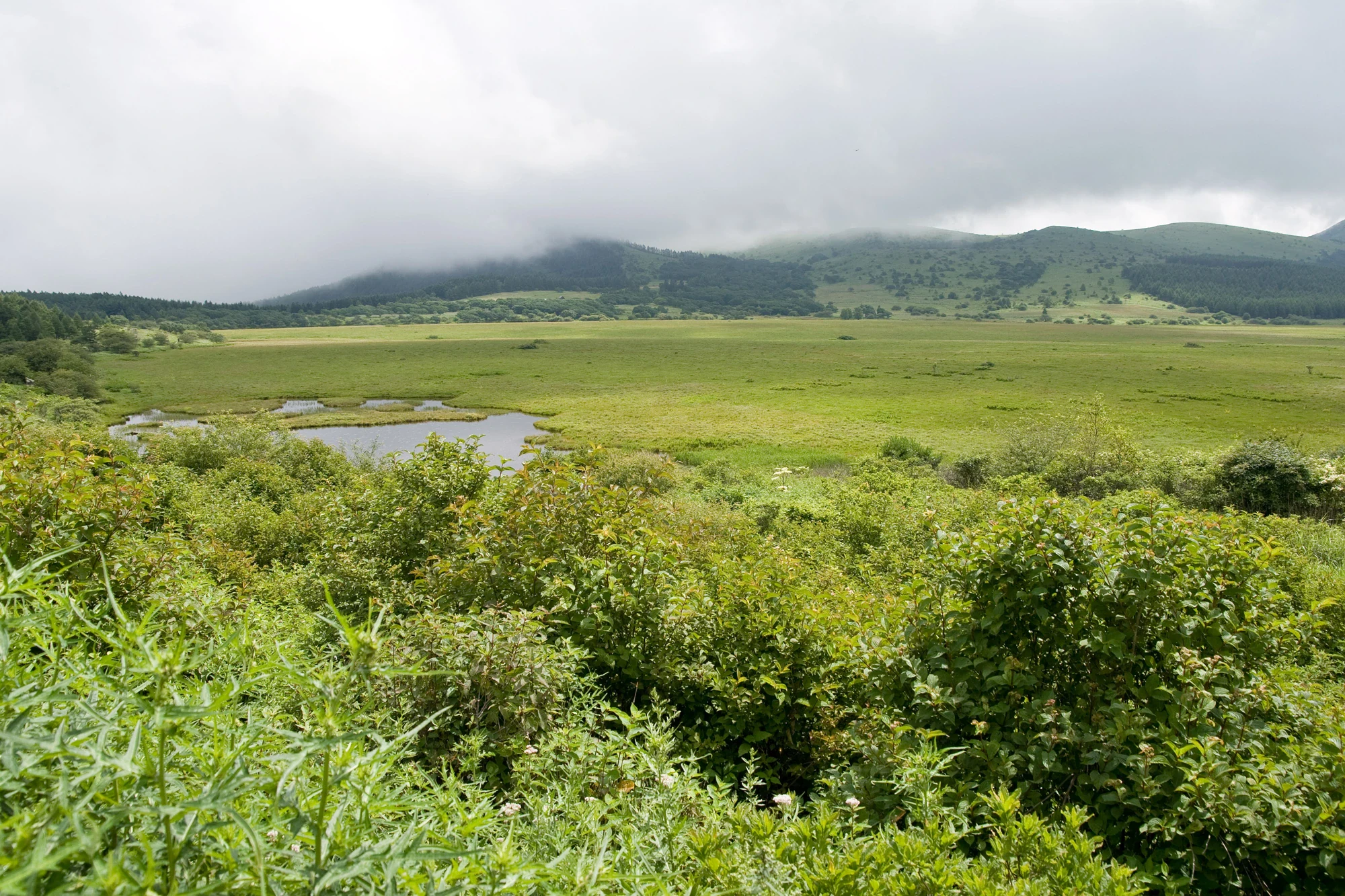
Start at Yashima Visitor Center, beside the wetland parking area. Its exhibits help explain what lies beneath the plants, and staff can point out the day’s flowers and any awkward stretches of path. From the parking area, the pedestrian tunnel beside the public toilets leads to the wetland entrance. The first open view gives you pools, a low sweep of vegetation and the rounded highland hills beyond.

You can enjoy that entrance area without completing the whole perimeter. The official walking map includes a short option of about 20 minutes, or a circuit taking roughly 90 minutes at walking pace. Give yourself longer for looking: an hour or so works well for the center and a short wander; two to three hours lets you take the approximately 3.7-kilometre circuit without hurrying past its details.

This is a raised bog, with layers of peat built up over thousands of years. Sphagnum moss is part of the living surface, while older plant material lies below. Small pools interrupt the vegetation, and the surrounding grassland leads your eye towards the hills. The boardwalk is a way to look into this delicate habitat without walking on it. Even a few steps off the path can damage the plants you came to see.

The scene changes with the season. In late spring and early summer, listen for the wetland’s frog chorus. Summer brings flowers, including yellow daylilies; by autumn, grasses, leaves and seedheads become the main attraction. Bring binoculars for distant details and let children choose one thing to follow: a bird moving between branches, a flower shape or the changing colors around a pool.

Kirigamine’s openness also has a human story. People once cut these grasslands for animal fodder and fertilizer. Today, conservation work responds to woodland expansion and deer browsing. Fences and gates are part of that effort. Use the signed entrances, leave gates as instructed, and keep the wetland itself undisturbed. Unlock an interactive field guide for this spot: get the Snappit app to identify nature on the go.

The quasi-national park was designated on 1 June 1964. Yashimagahara is one of Kirigamine’s nationally protected wetland plant communities. Its peat preserves traces of a much older landscape, including pollen that helps researchers understand past environments. The surrounding grasslands carry a more recent history of hay-cutting, while the old Misayama shrine area recalls ceremonies once held on the plateau.


What to do here

Begin with the visitor-center exhibits, then take the underpass to the wetland entrance. Choose the short entrance-area walk or, if the weather and everyone’s footing are good, the signed perimeter circuit. Stop for pool views and seasonal plants rather than adding a mountain summit to the same short outing.

Seasonal info

In 2026 the seasonal bus timetable ends on 25 October and Yashima Visitor Center’s last opening day is 3 November. Winter road closures on two approaches begin on 18 November. These are separate schedules: check the route you will actually use, as well as snow, ice and any path restrictions. This guide is for snow-free walking.

Accessibility

The full wetland circuit is not a dependable wheelchair or stroller outing. It includes wooden paths, and wet surfaces can be slippery. Before travelling, call Yashima Visitor Center on 0266-52-7000 to discuss access from the parking area through the tunnel to the entrance plaza, current boardwalk barriers, toilets and your particular needs. The center’s exhibits are split between two floors; ask about access to each.

Don't miss

1

Pool views framed by Kirigamine’s rounded hills

2

A short wetland option without committing to the full circuit

3

Summer flowers followed by autumn grass colors

4

Learning how peat, moss and traditional hay-cutting shaped the landscape

A broad green wetland with shallow pools, shrubs in the foreground and low hills under cloud.

Pools and low vegetation spread across Yashimagahara Wetland in the Kirigamine highlands, photographed in August 2011.

Yashimagahara Wetland 01.jpg — Σ64, CC BY 3.0 (https://creativecommons.org/licenses/by/3.0/). Source: https://commons.wikimedia.org/wiki/File:Yashimagahara_Wetland_01.jpg. Proportionally resized to a maximum 2000-pixel long edge without upscaling; recompressed as WebP quality 92, method 6. No crop, added text, colour adjustment or retouching. Original retained only as evidence; EXIF omitted from derivative. · Creative Commons

Walks and routes

A first look at the wetland

From the parking area, use the pedestrian tunnel beside the toilets to reach the entrance plaza. Follow the short option shown on the official Course 5 map, pausing for the near-side pool view, then return to your starting point. Ask staff to identify the current route before setting off; you do not need to join the full perimeter.

This is the shorter choice for walkers, but it is not a confirmed step-free route. If you use wheels or need a firm, even surface, ask specifically about reaching the plaza and whether any nearby path suits you.

A first look at the wetland

The longer wetland circuit

If conditions suit, follow the signed path around the wetland past the pool views and the Misayama side, then return to the entrance. Keep to the wetland circuit at junctions rather than following routes towards the surrounding hills. Carry the official map and leave enough time for an unhurried return to your bus or car.

Expect a walking trail with wooden sections and changing footing. Low overall relief does not make it suitable for every mobility aid. Choose the short visit if footing, fatigue or balance is a concern.

The longer wetland circuit

An easy first visit: 60–90 minutes

Spend 15–25 minutes with the displays and current information, then make the short wetland visit at your own pace. Keep the remaining time for a toilet stop and a comfortable return to your transport. If the surface or weather is unsuitable, keep the visit indoors.

A slower circuit: 2–3 hours

Check the whole route with staff, use the toilet, then follow the wetland perimeter with time for photographs and rests. Finish back at the center. Arrange food and drinking water before arrival, and build the day around your confirmed return journey.

Things to try

Compare the two landscapes

From a safe stopping place, compare the wetter pool-and-moss area with the grassland rising beyond it. Ask children which plants look low and compact and which grow tall. Sketch or photograph what you can see without reaching over the edge.

Make a tiny seasonal collection on camera

Choose three colors or three leaf shapes to photograph. In autumn, include a seedhead as well as a leaf. Keep your collection on your camera; plants and seeds stay in the park.

Use the center to solve one puzzle

Before or after your walk, ask staff about one thing you noticed. The exhibits, seasonal information and maps are a good way to turn a short stop into a more memorable visit.

A short indoor visit

If the center is open, spend time with the wetland exhibits and ask about its seasonal films. Heavy rain, thunder, strong wind or ice are good reasons to postpone the outdoor walk rather than trying to finish a circuit.

Change plans before the drive

Check the current weather and roads while you are still around Lake Suwa. The highlands can have different conditions from the town below, and the center can close in bad weather. Save the wetland for a clearer day if the trip would depend on unsafe roads or a very short gap in the weather.

Wildlife and habitats

Sphagnum mosses

Start with the living mat around the pools. The center’s displays make it easier to understand how moss and older plant material form peat. Several Sphagnum species occur here, so enjoy the habitat without trying to name every patch from the boardwalk.

Bog cranberry

Ask staff whether this small wetland plant is visible from an open section of path. It is part of the raised-bog vegetation, not something to pick or search for by stepping onto the moss.

Summer daylilies

Look for the yellow flowers called Nikko-kisuge in Japanese, usually a July highlight. Use the current flower report to find out whether they are blooming, and compare them with the center’s photographs before trying a botanical name.

Long-tailed tits

The visitor center reported these small birds in its October 2026 notes. Watch for movement through branches around the wetland edge and use binoculars rather than following a flock into the vegetation.

Deer and the conservation fences

The fences offer a useful clue even when no deer are visible: browsing can change the flowers and young trees. In autumn you may hear deer calling. Observe from a distance, leave gates secure and never offer food.

Listen for frogs

From roughly late May to early July, pause to listen for Schlegel’s green frogs. Their chorus is a celebrated part of Yashimagahara. Listening is enough; do not leave the path to find the animals.

Treat these as things to learn about, not a checklist you must complete. What you notice will depend on season and conditions. Use binoculars or the center’s displays for small or distant features, and keep every observation on the designated paths.

Stories and discoveries

The bog keeps a record

Peat contains traces of earlier vegetation, including pollen. Studying those layers helps researchers reconstruct how the environment changed long before today’s boardwalk existed.

Open grassland takes care

Kirigamine’s grassland is linked to generations of cutting vegetation for fodder and fertilizer. With those uses much reduced, conservation work helps maintain the open habitats and manage deer impacts.

A landscape you can hear

Yashimagahara’s frog chorus was chosen for Japan’s selection of 100 notable soundscapes. That makes a listening pause as fitting here as a photograph.

When to visit

Late spring and early summer

Start with the center’s opening notice and remaining-snow advice. As the season develops, fresh growth and frog calls add interest before the main summer flower display.

Summer

Bring sun protection and waterproofs together. July flowers attract traffic, and exposed highland walks need a plan for thunderstorms. Choose a shorter outing if the forecast is unsettled.

Autumn

Enjoy the grasses, seedheads and changing leaves; pack a warm layer even on a bright day. In mid-October 2026, the center reported strong autumn color and cold mornings. Bus and center seasons finish before the main winter road closures.

Winter

Do not reuse this snow-free circuit as a winter walking plan. Services are limited, routes can be hidden, and wetland protection still applies under snow. Get winter-specific local advice before planning a visit.

Getting there and practical advice

Yashima Visitor Center, Azamikan

The center has exhibits on the first floor and a film/learning room upstairs. Admission is free, and an AED is listed. For 1 October–3 November 2026 it opens 09:30–16:30; check for weather-related changes. Telephone: 0266-52-7000.

Parking and toilets

Use the Yashima wetland parking area and its public toilet before the walk. Parking is not reservable. The toilet contribution supports maintenance and boardwalk repairs; the current suggested amount is ¥100 per use. Ask about the day’s toilet opening before relying on facilities around the circuit.

Food, water and a place to pause

Bring enough water and a snack for your chosen walk, rather than depending on seasonal businesses being open. Eat only where you can stop without obstructing the path, and carry every wrapper and food scrap out.

By train and seasonal bus

Use Kamisuwa Station’s Suwako exit (west exit) and an Alpico service to Yashima Shitsugen. The published 2026 season is 2 May–25 October, running Saturdays, Sundays and public holidays plus every day from 1–30 August. Check operating-day symbols and the destination of the return bus.

A workable 2026 bus day

On a normal operating day, the published 09:35 from Kamisuwa reaches Yashima Shitsugen at 10:20; the 14:08 return reaches Kamisuwa at 14:50. This leaves room for an unhurried walk. The listed adult one-way fare is ¥1,700. Recheck times and fares before travel; road congestion can delay buses, and some other departures end at Kowashimizu rather than the station.

By car or prearranged taxi

Set your destination to Yashima Visitor Center / Yashima wetland parking, rather than the park’s name alone. Shimosuwa Town lists about 40 minutes by taxi from Kamisuwa or Shimosuwa Station. Arrange the return pickup and allow extra time for July flower-season traffic.

Winter road dates for 2026–27

The Yashima–Ōdaira section of Route 199 is scheduled to close from 18 November 2026 at 10:00 until 20 April 2027 at 10:00. The Venus Line from Yashima parking towards Wada Pass is scheduled to close on the same dates at 11:00. These restrictions cover those sections, not every approach to Kirigamine. Snow can change the dates and driving conditions.

Check the entrance separately from the circuit

For wheelchair users, the most useful question is whether the parking-to-plaza visit will work for you. Ask staff about the underpass surface and slope, any steps or gates, views from seated height, toilet access and assistance you may need. Do not assume the boardwalk circuit is possible because the surrounding terrain looks gentle.

Inside the visitor center

Exhibits occupy the first floor, while the film room is upstairs. Confirm step-free entry and access to the facilities you want to use when calling ahead. A film shown upstairs is not a reliable fallback unless you can reach it.

Sources and useful links

Wildlife you might spot

5

Each card links to a full Explore page with photos, traits, and fun facts.

Snap map for this place

Start with the big picture, then zoom in to explore individual wildlife observations around this place.

Loading map…

Good to know before you go

Check the visitor center’s current notices and the weather before leaving. Ask staff about damaged boards, standing water or temporary restrictions before choosing the full circuit.

Wear shoes with good grip and bring waterproofs, a warm layer, drinking water and sun protection. The open highland has little shade; leave the walk for another day if thunderstorms, strong wind or ice are likely.

Walk rather than run on the boards, keep children close, and make room for others without stepping into the wetland. Leave plants, insects and other wildlife where they are.

Follow local bear precautions

walk together in daylight, make your presence known with a bell or conversation, and take all food scraps and rubbish away. Check current notices, keep away from any bear and do not follow wildlife for a photograph.

Close deer-exclusion gates as the signs instruct. Do not touch fencing: some fences in Kirigamine are electric and may be live in daylight.

Use the parking-area toilet before starting. Bring small change for the requested maintenance contribution, currently about ¥100 per use, and check seasonal availability.

For a bus visit, confirm both journeys before setting out. Outside August’s daily-service period, the 2026 timetable runs only on weekends and public holidays; a summer timetable does not mean a daily bus.

Pets, including those carried in bags or cases, should not go onto Yashimagahara’s wetland paths or boardwalk. The entrance plaza beyond the tunnel is an exception; follow the signs there.

Frequently asked questions

No. This visit stays at Yashimagahara Wetland in Kirigamine, on the Nagano side of the much larger park. Yatsugatake summit routes need separate mountain planning.
No. The official Course 5 map offers a short entrance-area option of about 20 minutes. Ask staff which part is comfortable that day, and turn back when you have seen enough.
No. Its 2026 season is 25 April–3 November. Published hours are 09:30–16:30 in April–June and October–November, and 09:00–16:00 in July–September. Weather can cause temporary closure. Admission to the center is free.
Yes, on the seasonal operating days. Alpico serves Yashima Shitsugen from Kamisuwa Station’s Suwako exit, the west exit. The 2026 service runs 2 May–25 October on weekends and public holidays, plus daily 1–30 August. Check the current timetable and the return destination carefully.
Discuss an entrance-plaza and visitor-center visit with staff before travelling. Do not rely on the perimeter boardwalk being accessible. Ask about the tunnel approach, the view from seated height and a suitable toilet, as well as access inside the center.
It depends on the date, weather and which part you visit. Daylilies are a summer highlight, but this is also a moss-and-pool landscape with many other plants. The weekly flower report is a better guide than a single promotional photograph.
No. Protection of the wetland applies in winter too. Do not cross it on foot, skis or snowshoes. Snow can hide paths and brings different equipment, road and toilet requirements; treat winter as a separate outing.

Recent snaps at this place

Recent snaps will appear here as new observations are added.

View all ›

Take the discovery with you

Exploring Yatsugatake-Chushin Kogen Quasi-National Park?

Identify the wildlife you spot, learn as you go, and keep a collection of the adventure.

  1. 1Spot it
  2. 2Snap it
  3. 3Keep the discovery