





Agromyza vockerothi
Agromyza vockerothi
Agromyza vockerothi is a tiny fly that loves to munch on plants. These little insects can be found in gardens and fields, helping to keep nature balanced.
Habitat: Gardens and fields
The Agromyza vockerothi is a tiny, dull blackish-grey fly with clear, delicate wings. Its small size, often less than 3mm, makes it easily overlooked among foliage. This fly has relatively large eyes and short antennae, typical of many leaf-mining flies.
Category
InsectsRarity
Common
Danger
1/5 · Very low
Snaps
1
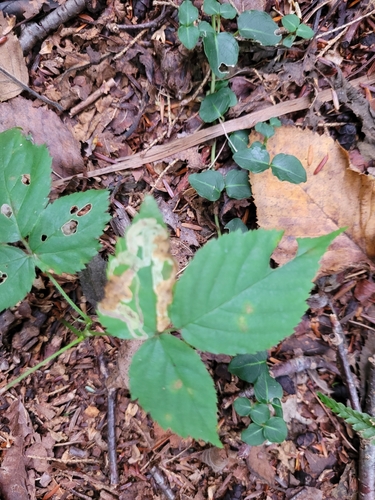
Agromyza vockerothi creates winding 'art' on leaves as it eats!
Their favorite food plant, columbine, is named after doves!
They are so tiny, many can fit on your fingernail!
This fly's babies grow up completely hidden inside plant leaves!
Agromyza vockerothi larvae can burrow into plant leaves, creating protective tunnels that help them safely eat and grow.
Agromyza vockerothi has specialized mouthparts to feed only on columbine leaves, ensuring specific nourishment for its young.
Agromyza vockerothi can lay tiny eggs inside plant tissue, hiding them from many predators and environmental dangers.
Its babies munch on columbine leaves, while adults may sip nectar.
Age differences: Larvae are herbivorous leaf miners; adults may feed on nectar or honeydew, or not at all.
Aquilegia canadensis
Its larvae feed exclusively on its leaves.
Aquilegia vulgaris
Larvae also mine the leaves of this cultivated plant.
Chrysoperla carnea
Lacewing larvae are generalist predators of small insects.
Social animals live in organized groups, cooperating for survival benefits such as foraging, defense, and raising offspring.
This trait characterizes organisms whose diet consists entirely or primarily of plant material.
Diurnal animals are primarily active during daylight hours, typically resting or sleeping at night.
Describes a species whose presence and role have a disproportionately large effect on its environment.

Pertaining to species that are significantly smaller than typical or average for their kind.

Describes organisms that transfer pollen, enabling the fertilization and reproduction of plants.
No aliases listed yet.
Danger
1/5 · Very low
These flies are harmless, but it's best to watch them from a distance.
The easiest way to identify Agromyza vockerothi is to use the Snappit nature identifier app.
3-5 mm
1.5-2.5 mm
20-40 days
Its babies munch on columbine leaves, while adults may sip nectar.
Gardens and fields
Foraging
6
Zoom in to split clusters and explore where this object has been snapped.
Sep 27, 2024
Holden ArboretumPhoto attribution
no rights reserved
License: CC0 1.0 ↗
Image may be shown cropped inside the card frame.
Take the discovery with you
Snap it with Snappit to identify it, learn what makes it special, and add the discovery to your collection.








.jpg&width=800)



