.jpg&width=800)





Grand Rivulet Moth
Martania grandis
The Grand Rivulet Moth is a beautiful insect with colorful wings that flutter in the night. They are often found near streams and rivers, making them a special sight for nature lovers.
Habitat: Wetlands
The Grand Rivulet Moth has intricate, wavy patterns on its forewings resembling flowing water, often in shades of earthy brown, grey, and cream. Its hindwings are typically plainer, a light tan. A delicate fringe of scales edges its wings, providing a soft, almost blurred outline.
Category
InsectsRarity
Common
Danger
1/5 · Very low
Snaps
Be the first to snap!
Many moths navigate at night by using the moon or artificial lights as a guide!
Moth antennae come in many amazing shapes, like feathers, clubs, or thin threads!
Some moths, like this one, have furry bodies that help them stay warm on cool nights!
The beautiful colors and patterns on moth wings are made from tiny, overlapping scales!
Grand Rivulet Moth can fly accurately in darkness because of highly sensitive antennae that detect faint flower scents.
Grand Rivulet Moth has complex wing patterns that perfectly blend with streambeds or tree bark, helping them hide from predators.
Grand Rivulet Moth has special organs that can hear bat echolocation, giving them a vital moment to escape.
Adults sip nectar from flowers, while young caterpillars munch on tree leaves to grow big and strong!
Age differences: Larvae (caterpillars) feed on tree leaves, while adult moths primarily consume flower nectar.
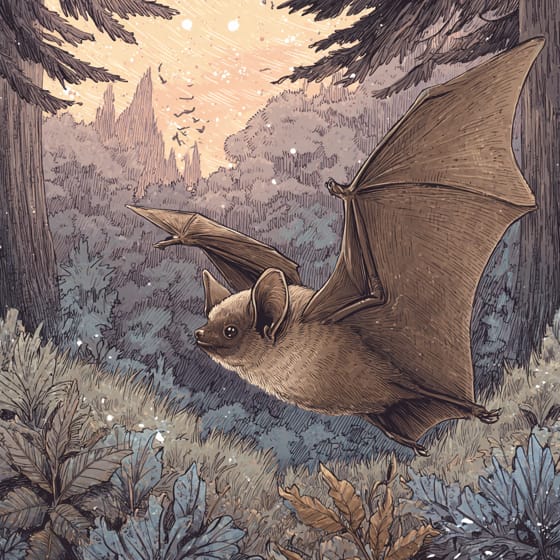
Myotis lucifugus
A common nocturnal predator of adult moths.
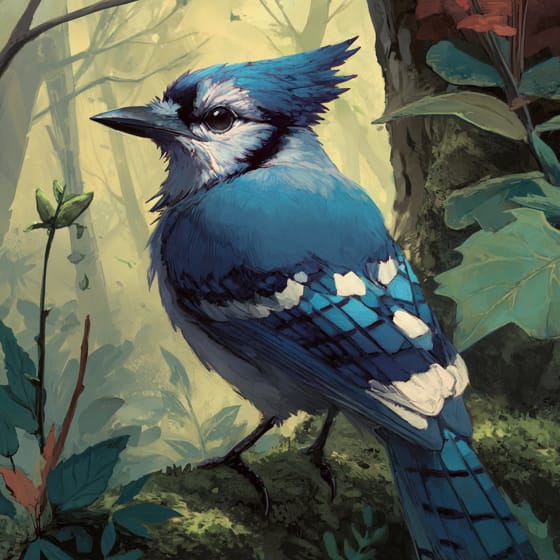
Cyanocitta cristata
Birds often prey on moths and caterpillars.
Solidago canadensis
Adult moths visit this flower for nectar, helping pollination.
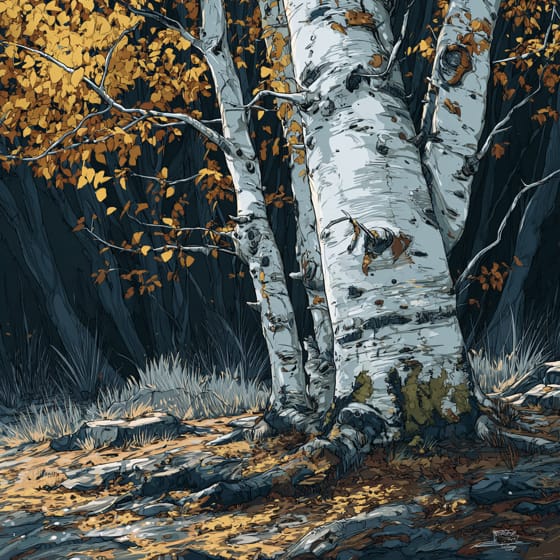
Betula papyrifera
Larvae of the moth feed on the leaves of this tree.
Solitary animals live alone for most of their lives, only interacting with others for mating or parental care.
Aerial creatures spend a significant portion of their lives airborne, utilizing flight for various activities such as hunting, migration, or nesting.
Colorful describes organisms or objects displaying a wide range of bright and distinct colors.
This habitat trait identifies species found in wetlands, which are areas of land saturated with water, either permanently or seasonally, including marshes, swamps, and bogs.

Nocturnal animals are primarily active during the nighttime hours, typically resting or sleeping during the day.

Describes organisms that transfer pollen, enabling the fertilization and reproduction of plants.
No aliases listed yet.
Danger
1/5 · Very low
Moths are gentle creatures, but it's best to watch them from a distance.
The easiest way to identify Grand Rivulet Moth is to use the Snappit nature identifier app.
30-50 mm
15-25 mm
7-14 days
5 km/h
Adults sip nectar from flowers, while young caterpillars munch on tree leaves to grow big and strong!
Wetlands
Foraging
Zoom in to split clusters and explore where this object has been snapped.
Recent snaps will appear here as new observations are added.
Take the discovery with you
Snap it with Snappit to identify it, learn what makes it special, and add the discovery to your collection.










.jpg&width=800)



