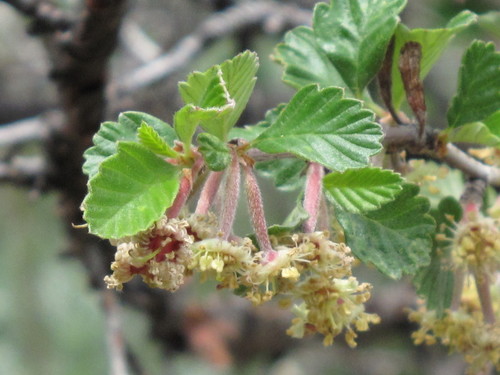


Alderleaf Mountain Mahogany
cercocarpus montanus
Alderleaf Mountain Mahogany (Cercocarpus montanus) is a hardy, long-lived deciduous shrub or small tree native to the mountainous regions and chaparrals of western North America. Belonging to the rose family, this resilient plant plays a critical role in its arid ecosystems by stabilizing rocky slopes and providing crucial winter forage for local wildlife. Its common name references the resemblance of its leaves to those of alders, and its extremely hard, dense wood that resembles true mahogany.
Habitat: Found on dry, rocky slopes, canyon walls, and foothills within chaparral and pinyon-juniper woodlands.
This woody shrub typically stands 1 to 4 meters tall, featuring upright, spreading branches with greyish bark. The small, wedge-shaped leaves are dark green above and paler beneath, with distinctive serrated teeth along the upper margins. In late spring, it produces small, inconspicuous, yellowish-white flowers, which are quickly replaced in late summer by highly distinctive, feather-like seed tails that measure up to 8 centimeters long and shimmer beautifully in the sunlight.
Category
PlantsRarity
Common
Danger
1/5 · Very low
Snaps
Be the first to snap!
Its feathery, corkscrew-shaped seed tails act like hygroscopic drills, screwing themselves into the dry ground as they wet and dry.
Native Americans traditionally used the hard wood to make specialized tools, such as digging sticks, arrows, and clubs.
The wood is so remarkably dense and heavy that it does not float in water.
The plumose style of the seed twists and untwists in response to changes in humidity, physically screwing the seed into the soil.
Establishes a mutualistic relationship with Frankia bacteria in its roots to convert atmospheric nitrogen into a usable nutrient form.
Possesses a deep, extensive taproot system and leathery leaves that minimize water loss in arid environments.
As a plant, it creates its own energy through photosynthesis, drawing water and minerals from the soil while fixing nitrogen through root nodules.
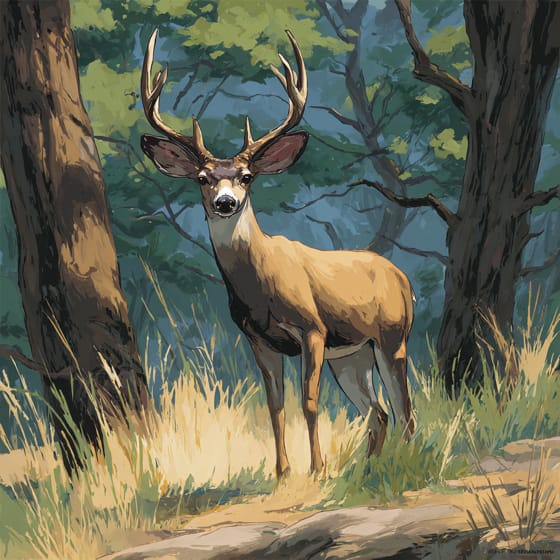
Odocoileus hemionus
Provides critical browse during winter when other food sources are scarce.
Frankia spp.
Symbiotic root partner that assists in converting nitrogen for the plant's use.
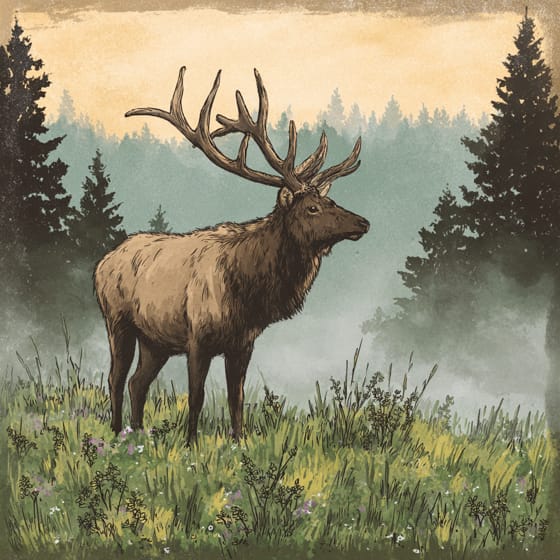
Cervus canadensis
Feeds on the foliage and tender twigs, utilizing the plant for cover.
No trait badges are assigned for this object yet.
No aliases listed yet.
Collections for this object will appear here as more themes are added.
Danger
1/5 · Very low
No special safety notes yet.
The easiest way to identify Alderleaf Mountain Mahogany is to use the Snappit nature identifier app.
100-400 cm
50-150 years
As a plant, it creates its own energy through photosynthesis, drawing water and minerals from the soil while fixing nitrogen through root nodules.
Found on dry, rocky slopes, canyon walls, and foothills within chaparral and pinyon-juniper woodlands.
Zoom in to split clusters and explore where this object has been snapped.
Recent snaps will appear here as new observations are added.

Utah, US
You might spot Common Golden-Mantled Ground Squirrel and Steller's Jay.
View guide →

Utah, US
You might spot Common Golden-Mantled Ground Squirrel and Steller's Jay.
View guide →

Colorado, US
You might spot Mule Deer, Woodhouse's Scrub-Jay, and Black-Billed Magpie.
View guide →

Colorado, US
You might spot Mule Deer, Woodhouse's Scrub-Jay, and Black-Billed Magpie.
View guide →

Colorado, US
You might spot Mountain Ball Cactus and Scarlet Gilia.
View guide →
Take the discovery with you
Snap it with Snappit to identify it, learn what makes it special, and add the discovery to your collection.








.jpg&width=800)



_001.jpg&width=800)




