



Algae
Chlorophyta
Algae are tiny plants that live in water and make food from sunlight, just like trees do on land. They come in many colors like green, red, and brown, and provide homes for small water creatures.
Habitat: Aquatic
The Algae is incredibly diverse, appearing as tiny green films, long brown strands, or complex red fronds. It can form slimy coatings on rocks or large, leaf-like structures swaying in the water, often vibrant green, brown, or red.
Category
PlantsRarity
Common
Danger
2/5 · Low
Snaps
Be the first to snap!
Algae can even live inside animals like corals, helping them get food to survive!
Some algae can make entire bodies of water look like bright red or green soup!
The largest algae, kelp, can grow as tall as a 20-story building underwater!
Tiny algae create most of the oxygen you breathe on Earth, helping us all live!
Algae can harness sunlight using chlorophyll, turning light energy into food for themselves and oxygen for others.
Algae has specialized spores or can fragment, allowing it to multiply quickly and spread across water bodies.
Some Algae can glow! They produce light through a chemical reaction, lighting up ocean waves at night.

Homo sapiens
Many algae species are harvested and consumed by humans.
Strongylocentrotus purpuratus
Sea urchins graze on various types of algae found on the seafloor.
Acropora palmata
Tiny algae called zooxanthellae live inside corals and provide food.
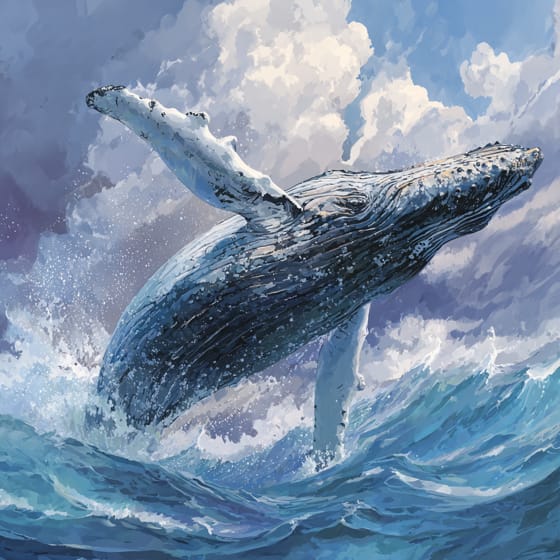
Megaptera novaeangliae
Whales rely on krill, which in turn feed on vast amounts of algae.
This trait characterizes plants lacking specialized vascular tissues (xylem and phloem) for transporting water and nutrients.
Spore-producing organisms reproduce by releasing small, often single-celled, reproductive units called spores.
Describes a relationship between two different species where they live in close association, often benefiting one or both.
This trait signifies organisms belonging to a very old evolutionary group with ancestors dating back millions of years.

Aquatic habitats encompass environments where organisms live predominantly in water, including oceans, rivers, lakes, and wetlands.
Danger
2/5 · Low
Avoid touching algae in the wild as some types can be harmful. Always explore with an adult.
The easiest way to identify Algae is to use the Snappit nature identifier app.
0.01-6000 cm
0.01-6000 cm
Year-round
Yes
Moderate
Perennial
Water
Zoom in to split clusters and explore where this object has been snapped.
Recent snaps will appear here as new observations are added.
Take the discovery with you
Snap it with Snappit to identify it, learn what makes it special, and add the discovery to your collection.









.jpg&width=800)



_001.jpg&width=800)




