





Human
Homo sapiens
Humans are curious creatures who love to explore and learn about the world around them. We use our brains to solve problems and communicate with each other in many different ways.
Habitat: Urban areas
The Human is a bipedal primate, typically with varying skin tones from pale to dark brown, and hair colors like black, brown, blonde, or red. They possess distinct facial features, including a prominent nose and expressive eyes.
Category
MammalsRarity
Common
Danger
2/5 · Low
Snaps
Be the first to snap!
Every human eye contains a tiny blind spot, but your brain fills it in!
Humans are the only animals that blush when embarrassed, turning cheeks pink!
Your bones are stronger than steel, but much lighter and more flexible!
Your brain uses more power than a lightbulb, even when you're sleeping!
Human can communicate complex ideas with spoken and written language because of advanced vocal cords and brain development.
Human can create and use intricate tools because of opposable thumbs and problem-solving intelligence.
Human can adapt to almost any environment because of their ingenuity and ability to build shelters.
Human has the ability to imagine and create art, music, and stories, which helps express culture and emotion.
Humans eat a huge variety of plants and animals from all over the world.
Age differences: Infants consume milk, while adults eat solid foods. Dietary needs vary by age.
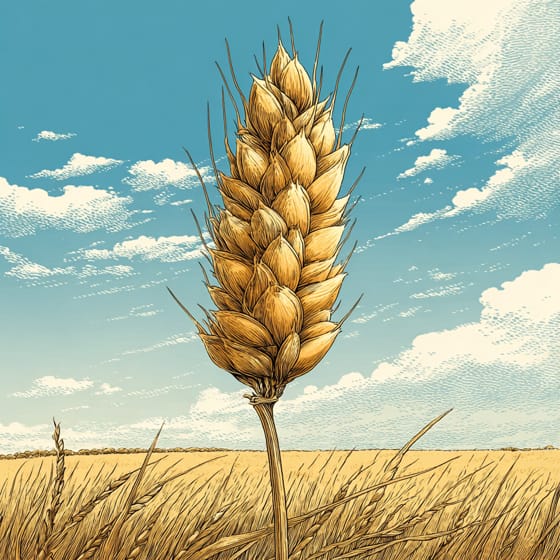
Triticum aestivum
Cultivated globally for staple food.

Bos taurus
Globally raised for meat and milk.
Escherichia coli
Beneficial gut bacteria aiding digestion.
Plasmodium falciparum
Causes malaria within human blood cells.
Furry describes animals possessing a dense covering of soft hair or fur.
Social animals live in organized groups, cooperating for survival benefits such as foraging, defense, and raising offspring.
This trait identifies organisms whose diet includes both plant and animal matter.
This trait describes organisms that manipulate external objects to achieve a specific goal.

Domesticated refers to species that have been selectively bred and tamed by humans for specific purposes.

Diurnal animals are primarily active during daylight hours, typically resting or sleeping at night.

Describes a species whose presence and role have a disproportionately large effect on its environment.

This habitat trait indicates species that can coexist with humans in urban and suburban environments, utilizing man-made structures and green spaces.
Danger
2/5 · Low
Always be careful around strangers and ask a trusted adult for help if you need it.
The easiest way to identify Human is to use the Snappit nature identifier app.
150-190 cm
50-100 kg
70-85 years
45 km/h
Humans eat a huge variety of plants and animals from all over the world.
Urban areas
Foraging
Zoom in to split clusters and explore where this object has been snapped.
Recent snaps will appear here as new observations are added.

British Columbia, CA
You might spot White Twisted-Stalk and Western Skunk Cabbage.
View guide →
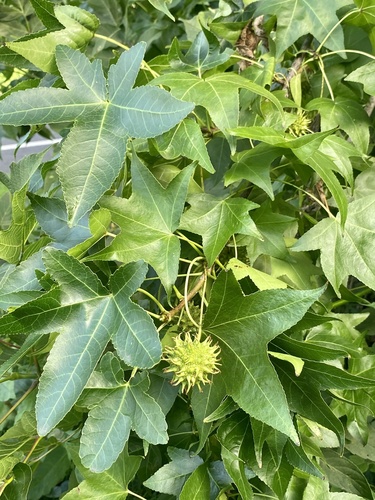
District of Columbia, US
You might spot American Sweetgum, Amur Honeysuckle, and Virginia Creeper.
View guide →

Massachusetts, US
You might spot Duck, Ring-Necked Duck, and American Pokeweed.
View guide →

Washington, US
You might spot Snowy Owl, Bee, and American Crow.
View guide →
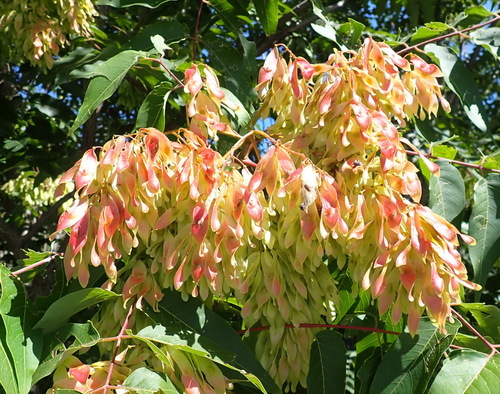
New York, US
You might spot Tree-Of-Heaven, Spotted Lanternfly, and Rock Pigeon.
View guide →
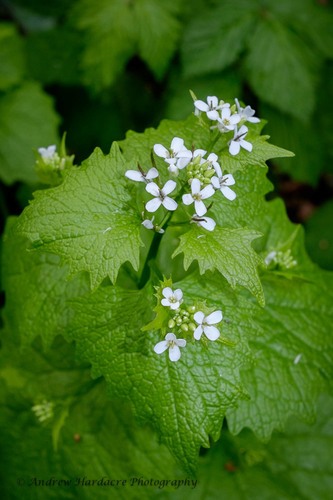
Virginia, US
You might spot Garlic Mustard, Violets, and Wineberry.
View guide →
Take the discovery with you
Snap it with Snappit to identify it, learn what makes it special, and add the discovery to your collection.




.jpg&width=800)


.JPG&width=800)



.jpg&width=800)
