





American Tarwort
Flourensia cernua
The American Tarwort is a bright green plant that grows in warm places. It has small yellow flowers that bloom in the summer, attracting butterflies and bees.
Habitat: Grasslands
The American Tarwort is a shrub with bright yellow, daisy-like flowers that stand out in arid landscapes. Its narrow, often sticky green leaves grow on woody stems, contributing to its bushy and resilient appearance.
Category
PlantsRarity
Common
Danger
1/5 · Very low
Snaps
Be the first to snap!
Even in harsh deserts, this plant provides food for certain insects!
It's a tough plant, able to live for many years in dry, sunny spots!
Its name "Tarwort" comes from the sticky sap it produces! Wow!
Look closely! Its bright yellow flowers are like miniature sunflowers.
American Tarwort has sticky, resinous leaves that can deter hungry animals, protecting it from being eaten.
This plant can thrive in very dry places, holding onto precious water in its specialized leaves and stems.
Apis mellifera
Drinks nectar and collects pollen.
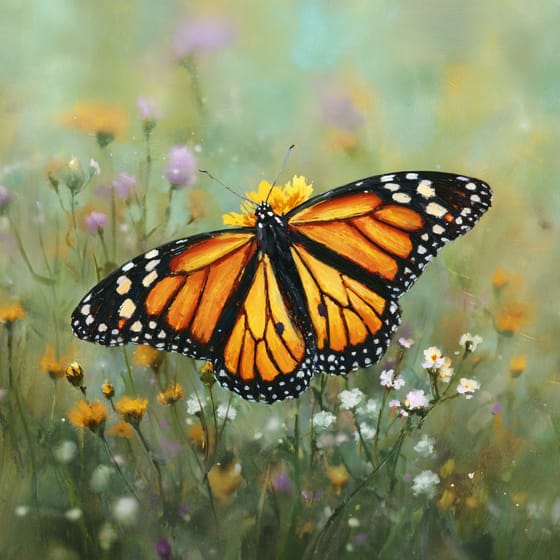
Danaus plexippus
Feeds on nectar during migration.
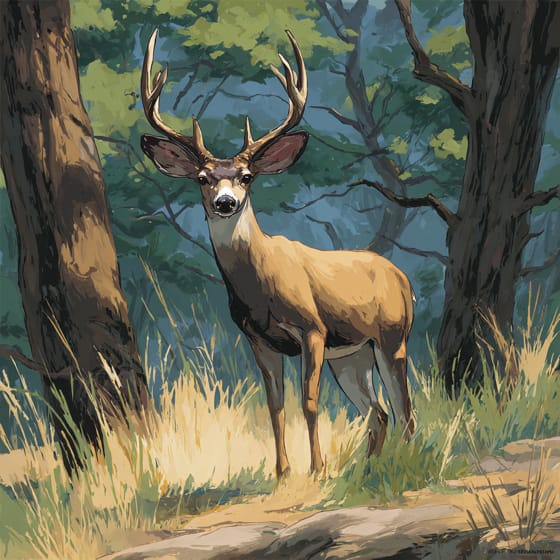
Odocoileus hemionus
Browses on leaves and young shoots.
Flowering plants are any plants that produce flowers as part of their reproductive cycle.
A shrub is a woody plant smaller than a tree, typically with multiple stems branching from or near the ground.
Summer blooming plants produce their flowers during the summer season, often providing vibrant color when many other plants have finished.
Drought-tolerant plants can survive and flourish in conditions with limited water availability.

Colorful describes organisms or objects displaying a wide range of bright and distinct colors.

Grassland habitats are terrestrial biomes dominated by grasses and herbaceous plants, supporting a variety of grazing animals.

Describes plants that are particularly attractive and beneficial to a wide range of pollinating organisms.
No aliases listed yet.
Danger
1/5 · Very low
Always look but don't touch wild plants unless you know they are safe.
The easiest way to identify American Tarwort is to use the Snappit nature identifier app.
50-200 cm
30-100 cm
1-2 cm
Late summer to fall
No
None
Perennial
Zoom in to split clusters and explore where this object has been snapped.
Recent snaps will appear here as new observations are added.
Take the discovery with you
Snap it with Snappit to identify it, learn what makes it special, and add the discovery to your collection.








.jpg&width=800)



_001.jpg&width=800)




