





American Water-Plantain
alisma subcordatum
The American Water-Plantain has beautiful, broad leaves that float on the water's surface. It produces lovely white flowers that attract many curious insects!
Habitat: Shallow waters, wetlands, and along lakeshores
The American Water-Plantain has long, elliptical green leaves that often float on or emerge from water. Its tall stalks display airy clusters of small, three-petaled white or pale pink flowers, each with a bright yellow center, making it distinct from many common pond plants.
Category
PlantsRarity
Common
Danger
0/5 · No known danger
Snaps
Be the first to snap!
Each delicate flower opens for only one morning, then wilts by the afternoon!
Its scientific name, Alisma, means 'water plant' in ancient Greek!
Native Americans sometimes ate its roots after carefully boiling or drying them!
This plant can help clean water by absorbing extra nutrients from its environment!
American Water-Plantain has specialized roots that anchor it firmly in mucky pond bottoms, helping it thrive in aquatic environments.
Its broad, buoyant leaves can float on the water's surface, allowing it to capture sunlight even in murky conditions.
This plant produces many tiny seeds that can float, allowing water currents to carry them far and wide.
Apis mellifera
Visits flowers for nectar and pollen.

Bombus impatiens
Important pollinator of its small flowers.
Anas platyrhynchos
Ducks sometimes consume its seeds.
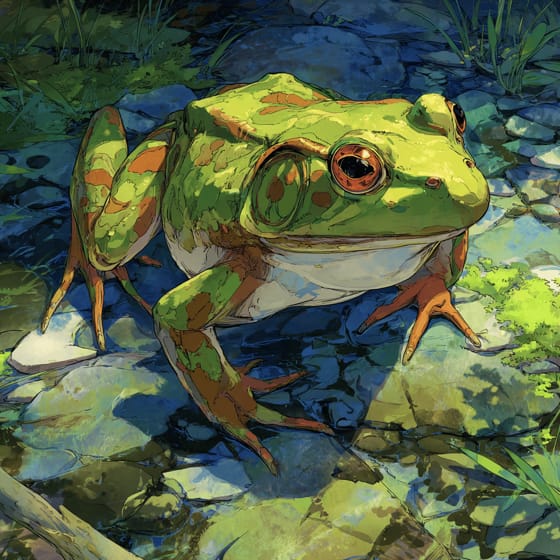
Rana catesbeiana
Provides cover and habitat in shallow waters.
Colorful describes organisms or objects displaying a wide range of bright and distinct colors.
This trait characterizes organisms whose diet consists entirely or primarily of plant material.
Coastal habitats are dynamic environments located along the interface between land and sea, influenced by tides, waves, and saltwater.
Aquatic habitats encompass environments where organisms live predominantly in water, including oceans, rivers, lakes, and wetlands.

Describes organisms that transfer pollen, enabling the fertilization and reproduction of plants.
Danger
0/5 · No known danger
No special safety notes yet.
The easiest way to identify American Water-Plantain is to use the Snappit nature identifier app.
20-100 cm
0.5-1 cm
Summer
No
Mild
Perennial
Insect
Zoom in to split clusters and explore where this object has been snapped.
Recent snaps will appear here as new observations are added.
Take the discovery with you
Snap it with Snappit to identify it, learn what makes it special, and add the discovery to your collection.









.jpg&width=800)



_001.jpg&width=800)




