





Hercules' club
Zanthoxylum clava-herculis
Hercules' club is a unique plant with thick, spiky branches. It grows in warm areas and has bright green leaves that can be very pretty. This plant is named after the strong hero Hercules!
Habitat: Coastal areas
The Hercules' club is a striking tree with a distinctive trunk covered in corky, cone-shaped thorns. Its compound leaves are shiny green, turning yellowish in fall. Small, clustered yellowish-green flowers lead to tiny, dark, capsule-like fruits.
Category
PlantsRarity
Common
Danger
2/5 · Low
Snaps
Be the first to snap!
It's called "Hercules' club" because its thorny trunk looks like the legendary hero's weapon!
Its bark contains chemicals that create a buzzing, tingling feeling on your tongue!
Many butterflies, like the Giant Swallowtail, lay their eggs only on this special tree!
Some birds love to eat its tiny, black berries, helping to spread its seeds far and wide!
Hercules' club has formidable, cone-shaped thorns on its trunk that protect it from hungry herbivores.
The bark of Hercules' club contains compounds that can cause a tingling, numbing sensation, deterring pests.
Hercules' club can thrive in dry, sandy soils thanks to its deep root system, helping it survive droughts.
Papilio cresphontes
Its leaves are food for the butterfly's larvae.
Apis mellifera
Bees visit its small flowers for nectar and pollen.
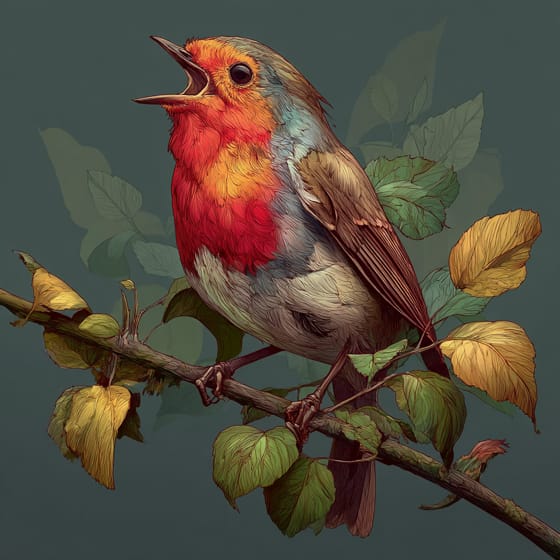
Turdus migratorius
Robins consume its small, dark berries, spreading seeds.
Aromatic plants produce and emit fragrant volatile organic compounds, often for defense or to attract pollinators.
Flowering plants are any plants that produce flowers as part of their reproductive cycle.
Broadleaf trees are angiosperms characterized by flat, wide leaves that are typically shed annually in temperate climates.
Evergreen plants retain their foliage throughout the year, never shedding all their leaves at once.

Fragrant flowers emit a pleasant aroma, often to attract pollinators or for defense.

Medicinal plants possess chemical compounds that can be used for therapeutic purposes to treat illnesses or maintain health.

Possessing sharp, pointed projections or spines on the body or surface.

Coastal habitats are dynamic environments located along the interface between land and sea, influenced by tides, waves, and saltwater.

Endangered status indicates a species is at a very high risk of extinction in the wild in the near future.
Danger
2/5 · Low
Be careful around the spiky branches; they can be sharp!
The easiest way to identify Hercules' club is to use the Snappit nature identifier app.
1000-1800 cm
400-800 cm
0.2-0.5 cm
Late spring to early summer
No
Mild
Perennial
Zoom in to split clusters and explore where this object has been snapped.
Recent snaps will appear here as new observations are added.

Mississippi, US
You might spot Gulf Fritillary, Gray Ratsnake, and Spotted Orbweavers.
View guide →
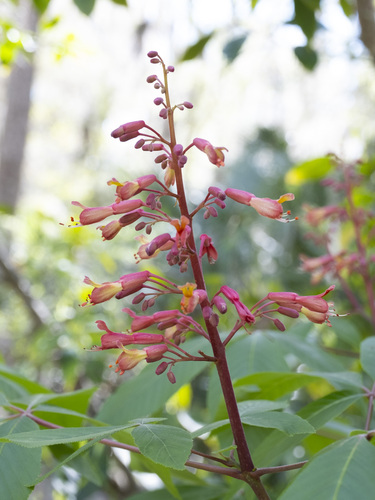
Texas, US
You might spot Red Buckeye, American Beautyberry, and Pond Slider.
View guide →

Florida, US
You might spot Firewheel, Black Mangrove, and Yaupon Holly.
View guide →
Take the discovery with you
Snap it with Snappit to identify it, learn what makes it special, and add the discovery to your collection.








.jpg&width=800)

_001.jpg&width=800)



