





Ampedus
Ampedus
Ampedus is a type of beetle that loves to hide under leaves and logs. They are small and can be shiny, making them fun to spot in nature!
Habitat: Forests
The Ampedus is an elongated, often dark-colored beetle, typically shiny black or brown, sometimes featuring striking red or yellow markings. Its hard, smooth body is distinctly segmented, giving it a streamlined appearance different from rounder beetles.
Category
InsectsRarity
Common
Danger
1/5 · Very low
Snaps
Be the first to snap!
Ampedus beetles can jump many times their own height by launching themselves with a powerful click!
Baby Ampedus are called wireworms and can spend years growing underground before they become beetles!
If an Ampedus beetle gets stuck on its back, it clicks and flips itself right-side up in a flash!
The amazing clicking sound they make isn't with their legs, but a clever spring-loaded mechanism!
Ampedus can forcefully snap a special spine into a groove on its body because it helps them flip upright or escape predators.
Ampedus has a hard exoskeleton and cryptic coloration that helps them blend perfectly with bark and decaying wood to avoid being seen.
Ampedus larvae have tough, elongated bodies and strong mandibles that help them tunnel through soil and wood in search of food.
Ampedus larvae munch on plant roots and other insects, while adults prefer flower nectar and small prey.
Age differences: Larvae (wireworms) mainly eat roots and other insects, while adults feed on nectar, pollen, or small prey.
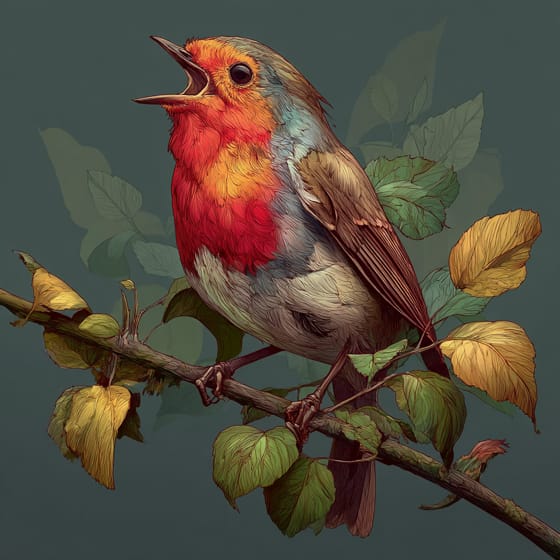
Turdus migratorius
Robins often prey on Ampedus beetles found on the ground.
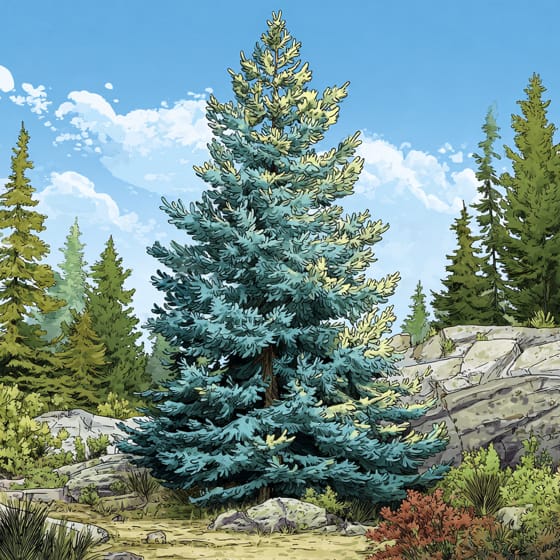
Picea glauca
Larval wireworms can sometimes feed on the roots of young spruce trees.
Achillea millefolium
Adult Ampedus visit flowers, sipping nectar and helping with pollination.
Solitary animals live alone for most of their lives, only interacting with others for mating or parental care.
Camouflaged describes organisms that possess coloring or patterns that allow them to blend into their environment.
Colorful describes organisms or objects displaying a wide range of bright and distinct colors.
This trait characterizes organisms whose diet consists entirely or primarily of plant material.

Describes organisms that break down dead organic material, recycling nutrients back into the ecosystem.

Forest habitats are terrestrial environments dominated by dense tree cover, supporting a high diversity of plant and animal life.

Pertaining to species that are significantly smaller than typical or average for their kind.

Pertaining to organisms that emit light through bioluminescence or fluorescence.

Nocturnal animals are primarily active during the nighttime hours, typically resting or sleeping during the day.
No aliases listed yet.
Danger
1/5 · Very low
Be gentle when exploring nature and avoid touching insects unless you know they are safe.
The easiest way to identify Ampedus is to use the Snappit nature identifier app.
10-30 mm
5-15 mm
30-120 days
8 km/h
Ampedus larvae munch on plant roots and other insects, while adults prefer flower nectar and small prey.
Forests
Foraging
Zoom in to split clusters and explore where this object has been snapped.
Recent snaps will appear here as new observations are added.
Take the discovery with you
Snap it with Snappit to identify it, learn what makes it special, and add the discovery to your collection.









.jpg&width=800)


