





Anteater Scarabs
cremastocheilus
Anteater Scarabs are tiny beetles that love to munch on ants! They have a shiny body that sparkles in the sunlight, making them look like jewels in the grass.
Habitat: They live in grassy fields and forests where ants are abundant.
The Anteater Scarabs has a distinctive flattened, robust body, often reddish-brown to dark brown, blending perfectly with soil and ant nest interiors. Its tough, leathery exoskeleton covers most of its body, and it lacks prominent antennae or colorful markings, appearing quite nondescript.
Category
InsectsRarity
Common
Danger
1/5 · Very low
Snaps
Be the first to snap!
Despite living with ants, they are often unwelcome guests, sneaking food when ants aren't looking!
Some Anteater Scarabs can make sounds by rubbing parts of their body together, like a tiny warning signal!
These clever beetles even help clean the ant nest by eating dead ants, acting like tiny janitors!
They are known as 'ant nest beetles' because they spend almost their entire lives living inside ant colonies!
Anteater Scarabs can produce special chemicals that make ants think they are fellow colony members, helping them move freely inside the nest without being attacked.
Anteater Scarabs has an extremely hard and flattened body that helps them withstand bites and attacks from angry ants trying to defend their home.
Anteater Scarabs has unique, sticky antennae that they use to 'beg' ants for regurgitated food or even pick up small ant eggs and larvae.
They secretly eat ant larvae, pupae, and regurgitated food right inside the ant nest!
Formica pallidefulva
Lives within their nests and consumes their young.
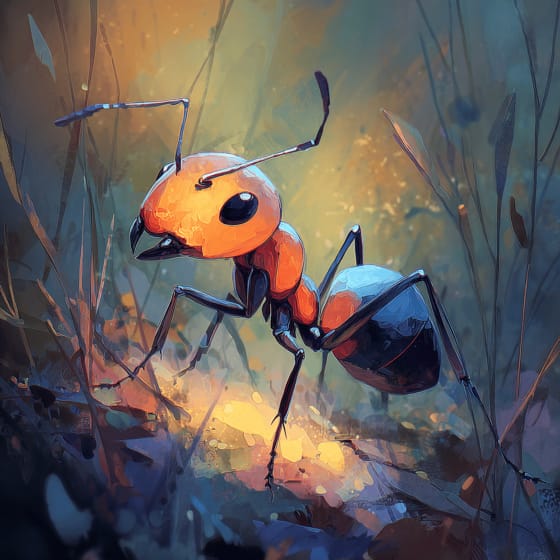
Lasius americanus
Feeds on their brood and stolen resources in the colony.
Pheidole bicarinata
Infiltrates their nests to consume larvae and stored food.
Solitary animals live alone for most of their lives, only interacting with others for mating or parental care.
Colorful describes organisms or objects displaying a wide range of bright and distinct colors.
Grassland habitats are terrestrial biomes dominated by grasses and herbaceous plants, supporting a variety of grazing animals.
This trait identifies organisms whose diet consists entirely or primarily of animal tissue.

Diurnal animals are primarily active during daylight hours, typically resting or sleeping at night.
Danger
1/5 · Very low
No special safety notes yet.
The easiest way to identify Anteater Scarabs is to use the Snappit nature identifier app.
10-30 mm
5-15 mm
30-90 days
5-10 km/h
They secretly eat ant larvae, pupae, and regurgitated food right inside the ant nest!
They live in grassy fields and forests where ants are abundant.
Foraging
Zoom in to split clusters and explore where this object has been snapped.
Recent snaps will appear here as new observations are added.
Take the discovery with you
Snap it with Snappit to identify it, learn what makes it special, and add the discovery to your collection.








.jpg&width=800)



