





Eastern Carpenter Bee
Xylocopa virginica
The Eastern Carpenter Bee is a big, fuzzy bee that loves to make holes in wood. They are important for helping flowers grow by spreading pollen as they visit them.
Habitat: Urban areas
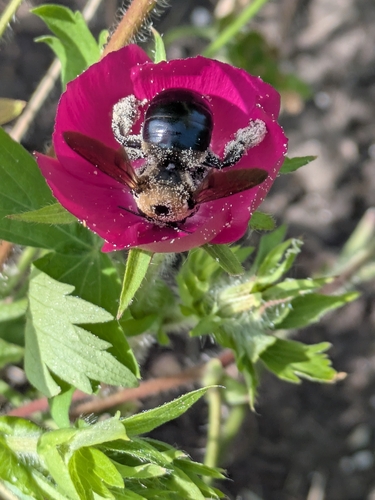
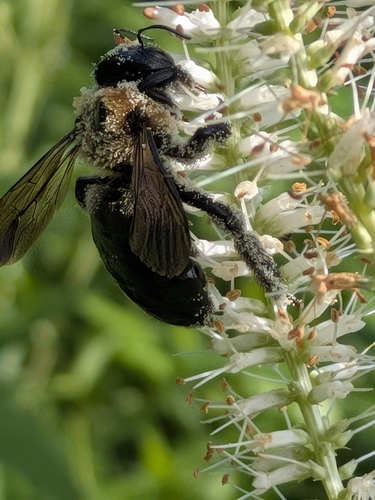
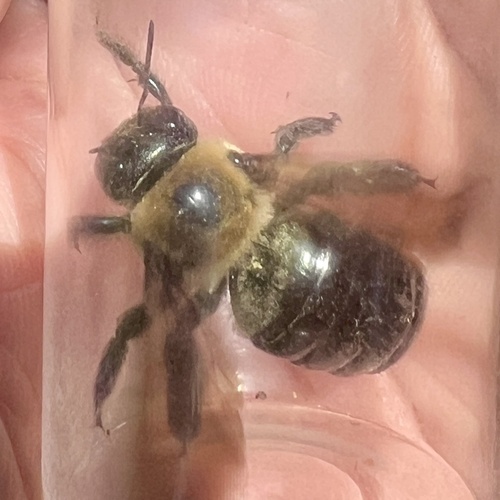
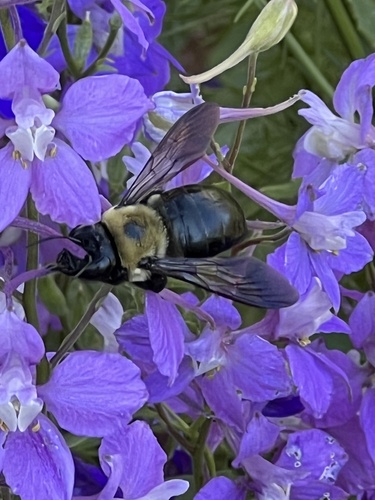
The Eastern Carpenter Bee is a large, robust bee with a shiny, hairless black abdomen and a fuzzy yellow and black thorax. It has dark, iridescent wings and may have yellow markings on its head, especially in males, which helps distinguish it from the hairier abdomen of a bumblebee.
Category
InsectsRarity
Common
Danger
1/5 · Very low
Snaps
104
Baby carpenter bees eat a special mixture of pollen and nectar!
Male carpenter bees have a distinct yellow patch on their face!
They often return to the same wooden tunnels year after year!
You can hear a unique buzzing sound when they tunnel into wood!
Eastern Carpenter Bee can vibrate flowers at high frequencies that helps release pollen for plant fertilization.
Eastern Carpenter Bee males can hover aggressively to deter threats that helps them protect their nesting territories.
Eastern Carpenter Bee females can deliver a painful sting because of their barbed stinger that helps them defend their nest.
They drink sweet nectar for energy and collect pollen to feed their babies.
Passiflora incarnata
They visit flowers to collect nectar and pollen.
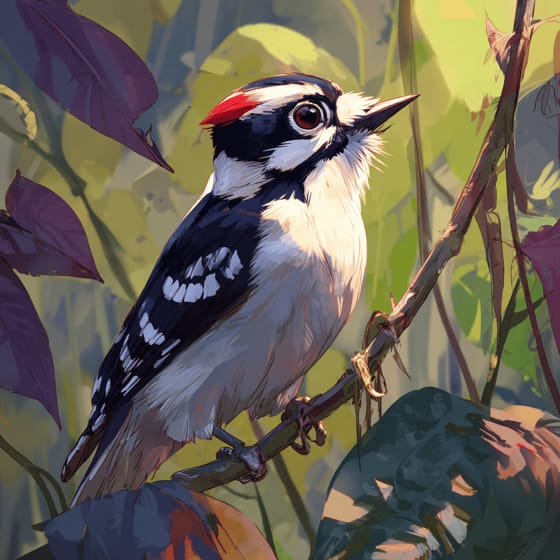
Dendrocopos pubescens
Woodpeckers dig into wood to find their larvae.
Chaetodactylus krombeini
These mites hitchhike on bees to new nests.
Furry describes animals possessing a dense covering of soft hair or fur.
Solitary animals live alone for most of their lives, only interacting with others for mating or parental care.
This trait characterizes organisms whose diet consists entirely or primarily of plant material.
Describes plants that are particularly attractive and beneficial to a wide range of pollinating organisms.

Diurnal animals are primarily active during daylight hours, typically resting or sleeping at night.

Describes a species whose presence and role have a disproportionately large effect on its environment.

This habitat trait indicates species that can coexist with humans in urban and suburban environments, utilizing man-made structures and green spaces.

Describes organisms that transfer pollen, enabling the fertilization and reproduction of plants.
Danger
1/5 · Very low
If you see a bee, it's best to stay calm and not swat at it. They usually won't bother you.
The easiest way to identify Eastern Carpenter Bee is to use the Snappit nature identifier app.
30-50 mm
16-24 mm
60-120 days
18 km/h
They drink sweet nectar for energy and collect pollen to feed their babies.
Urban areas
Foraging
Zoom in to split clusters and explore where this object has been snapped.
Jun 16, 2026
Haskell-Baker WetlandsPhoto attribution
(c) Lydia Dexter, some rights reserved (CC BY)
License: CC BY 4.0 ↗
Image may be shown cropped inside the card frame.
Jun 16, 2026
Haskell-Baker WetlandsPhoto attribution
(c) Lydia Dexter, some rights reserved (CC BY)
License: CC BY 4.0 ↗
Image may be shown cropped inside the card frame.
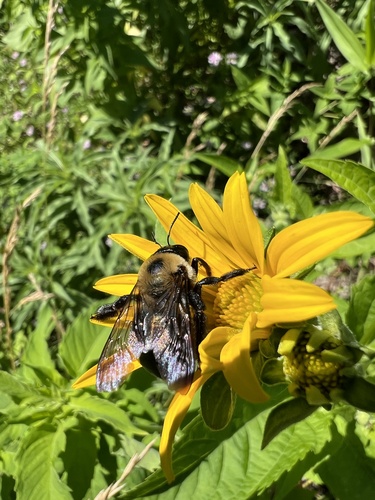
Jun 16, 2026
Photo attribution
(c) Eric Baratta, some rights reserved (CC BY)
License: CC BY 4.0 ↗
Image may be shown cropped inside the card frame.
Jun 4, 2026
Brattleboro Downtown Historic DistrictPhoto attribution
no rights reserved
License: CC0 1.0 ↗
Image may be shown cropped inside the card frame.
Jun 4, 2026
Oxon Run ParkwayPhoto attribution
(c) Frederick Nunley, some rights reserved (CC BY)
License: CC BY 4.0 ↗
Image may be shown cropped inside the card frame.

Virginia, US
You might spot Cope's Gray Tree Frog and Basilica Orbweaver.
View guide →

Tennessee, US
You might spot House Sparrow, Northern Mockingbird, and Gulf Fritillary.
View guide →

Connecticut, US
You might spot Striped Wintergreen and Common Eastern Bumble Bee.
View guide →

Texas, US
You might spot Anole, Monarch, and Pinkladies.
View guide →

Vermont, US
You might spot Asian Bittersweet, Alder Buckthorn, and Eastern Newt.
View guide →

Michigan, US
You might spot Monarch, Canada Goose, and Eastern Gray Squirrel.
View guide →
Take the discovery with you
Snap it with Snappit to identify it, learn what makes it special, and add the discovery to your collection.






.jpg&width=800)



.jpg&width=800)
