





Arctic Butterbur
Petasites frigidus
Arctic Butterbur is a special plant that grows in cold places. It has big, round leaves and pretty flowers that can be purple or white. This plant loves to be near water and can be found in wet areas.
Habitat: Wetlands
The Arctic Butterbur has distinct, large kidney-shaped leaves that emerge after its early spring blooms. Its compact flower heads display numerous small, white to purplish-pink florets, carried on a sturdy, often fuzzy stem, making it stand out in cold, damp environments.
Category
PlantsRarity
Common
Danger
1/5 · Very low
Snaps
6
Arctic Butterbur is often one of the first plants to bloom after winter!
It spreads using underground stems, creating vast green carpets on the tundra!
Its huge leaves were traditionally used to wrap and keep butter cool!
This plant can grow in places so wet and cold, few others survive!
Arctic Butterbur can emerge and bloom even when snow covers the ground, allowing it to capture early spring sunlight.
Arctic Butterbur has large leaves that quickly cover the ground, helping to retain soil moisture and regulate temperature.
Arctic Butterbur blooms very early in spring, providing vital first food for emerging pollinators when other plants are dormant.
Rangifer tarandus
Early leaves provide food for migrating herds.
Bombus polaris
Provides crucial nectar and pollen when scarce.
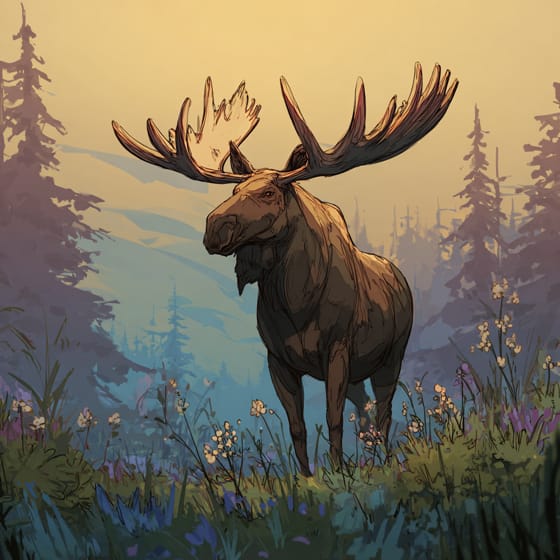
Alces alces
Young shoots and leaves are a food source.
Flowering plants are any plants that produce flowers as part of their reproductive cycle.
Spring blooming plants produce their flowers during the spring season, often signifying the end of winter and the start of new growth.
Broadleaf trees are angiosperms characterized by flat, wide leaves that are typically shed annually in temperate climates.
Cold hardy plants are able to withstand low temperatures and freezing conditions without significant damage.

Medicinal plants possess chemical compounds that can be used for therapeutic purposes to treat illnesses or maintain health.

Edible plants are those parts of a plant that are considered safe for human consumption.

Describes plants that are particularly attractive and beneficial to a wide range of pollinating organisms.

This habitat trait identifies species found in wetlands, which are areas of land saturated with water, either permanently or seasonally, including marshes, swamps, and bogs.
No aliases listed yet.
Danger
1/5 · Very low
Do not touch or eat any wild plants without asking an adult first.
The easiest way to identify Arctic Butterbur is to use the Snappit nature identifier app.
5-30 cm
10-50 cm
1-3 cm
Early Spring (March-May)
Yes
None
Perennial
Zoom in to split clusters and explore where this object has been snapped.

Michigan, US
You might spot Eastern Skunk Cabbage and Kirtland's Warbler.
View guide →

Oregon, US
You might spot Rough-Skinned Newt and Isabella Tiger Moth.
View guide →

Alaska, US
You might spot Forest Bumble Bee and Alaskan Fritillary.
View guide →

Washington, US
You might spot Thimbleberry, Modesty, and Arctic Butterbur.
View guide →

Alaska, US
You might spot Moose, American Red Squirrel, and Lingonberry.
View guide →

Washington, US
You might spot Mule Deer, Harlequin Duck, and Pacific Trillium.
View guide →
Take the discovery with you
Snap it with Snappit to identify it, learn what makes it special, and add the discovery to your collection.








.jpg&width=800)


_001.jpg&width=800)



