





Burrowing Owl
Athene cunicularia
Burrowing owls are small owls that live underground in burrows. They have bright yellow eyes and long legs, and they are active during the day, unlike most owls.
Habitat: Grasslands
The Burrowing Owl is a small, sandy-brown owl with strikingly bright yellow eyes and prominent white eyebrows. It has long, bare legs and a short tail, making it look quite different from other owls and perfectly camouflaged in open, dry habitats.
Category
BirdsRarity
Common
Danger
2/5 · Low
Snaps
3
Burrowing owls bob their heads up and down when curious or alarmed. So quirky!
Their long legs help them sprint and quickly pounce on ground-dwelling prey.
They often stand on one leg, looking like tiny statues in the grass!
They use burrows for safety, nesting, and raising their adorable fluffy owlets.
Burrowing Owls can live in amazing underground homes because they take over and adapt burrows dug by other animals.
Burrowing Owls have a clever defense that helps them scare away predators by making a buzzing sound just like a rattlesnake.
Burrowing Owls can hunt for food during the day because of their sharp eyesight, unlike many other nocturnal owls.
Burrowing Owls have a unique way to trick insects into their home that helps them find food by lining their burrow with dung.
These owls primarily munch on insects and small mammals found in grasslands and open areas!
Cynomys ludovicianus
Uses their abandoned burrows as homes.
.jpg&width=800)
Microtus californicus
A common small mammal prey item.
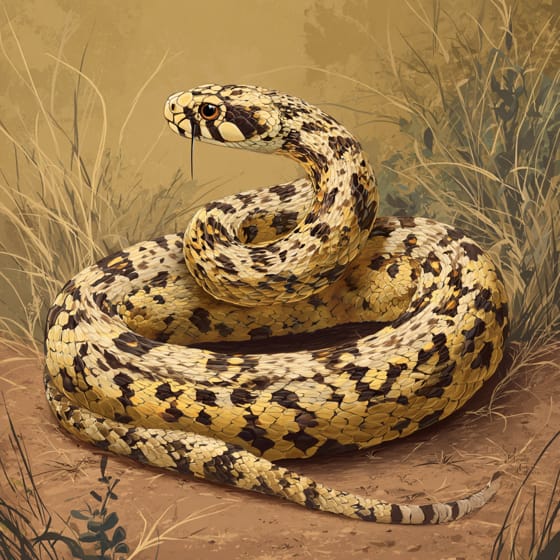
Pituophis catenifer
Young owls are vulnerable to predation.
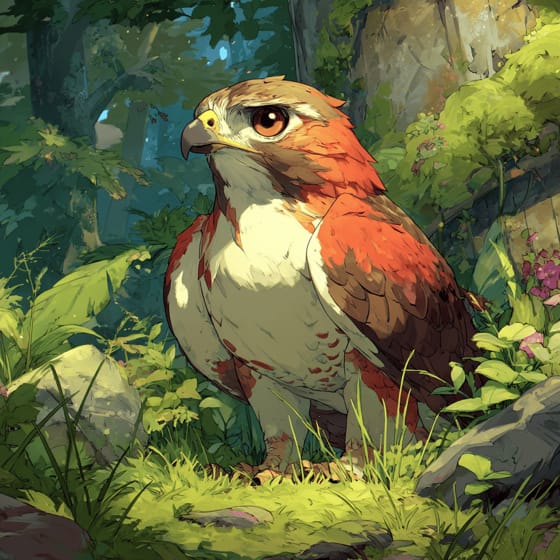
Buteo jamaicensis
Adult owls can be prey for raptors.

Schistocerca nitens
A major insect food source.
Wildlife encompasses all undomesticated animal and plant life existing in their natural habitats.
Feathered describes animals, primarily birds, possessing a covering of feathers.
Aerial creatures spend a significant portion of their lives airborne, utilizing flight for various activities such as hunting, migration, or nesting.
Burrowing animals dig tunnels and chambers in the ground, using these subterranean structures for shelter, hunting, or breeding.

Grassland habitats are terrestrial biomes dominated by grasses and herbaceous plants, supporting a variety of grazing animals.

This trait identifies organisms whose diet primarily consists of insects and other small invertebrates.

Diurnal animals are primarily active during daylight hours, typically resting or sleeping at night.
Danger
2/5 · Low
If you see a burrowing owl in the wild, admire it from a distance and avoid disturbing its burrow.
The easiest way to identify Burrowing Owl is to use the Snappit nature identifier app.
19-28 cm
50-60 cm
0.14-0.24 kg
6-10 years
60 km/h
These owls primarily munch on insects and small mammals found in grasslands and open areas!
Grasslands
Zoom in to split clusters and explore where this object has been snapped.

Kansas, US
You might spot Cliff Swallow and Desert Prince's Plume.
View guide →

Pennsylvania, US
You might spot Giraffes, Jaguar, and Red Panda.
View guide →

Arizona, US
You might spot Saguaro.
View guide →

California, US
You might spot Giraffes, Eastern Black Rhinoceros, and Emu.
View guide →

California, US
You might spot Tiger, Red Panda, and Fossa.
View guide →

Nebraska, US
You might spot American Bison, Elk, and White-Tailed Deer.
View guide →
Take the discovery with you
Snap it with Snappit to identify it, learn what makes it special, and add the discovery to your collection.





.jpg&width=800)









