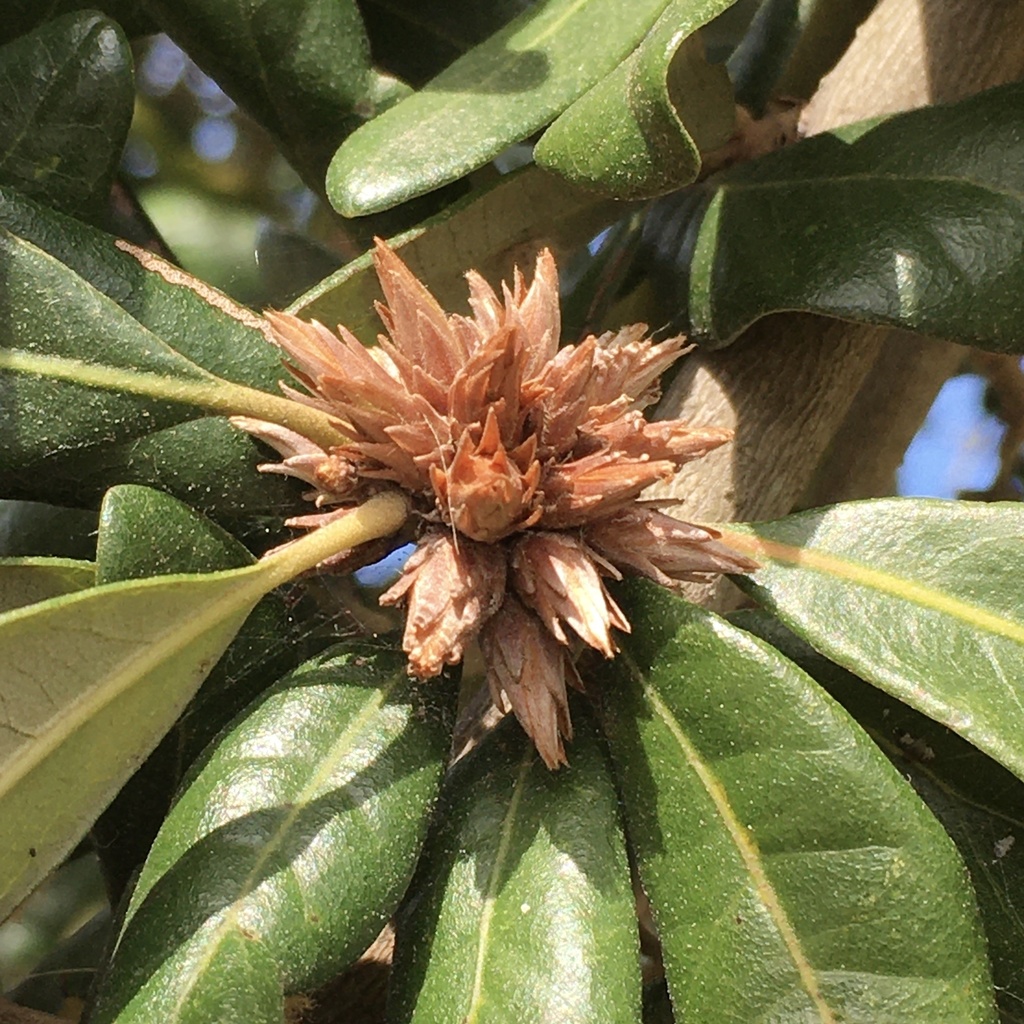





Arnoldiola atra
Arnoldiola atra
Arnoldiola atra is a special type of insect known for its shiny black body. It can often be found in gardens and forests, where it plays an important role in nature.
Habitat: Forests
The Arnoldiola atra is a tiny, delicate gall midge, typically dark reddish-brown to black, with an elongated body. It has relatively long, beaded antennae and fuzzy, membranous wings that appear slightly smoky. Its minute size and dark coloration help it blend into its environment, making it hard to spot.
Category
InsectsRarity
Common
Danger
1/5 · Very low
Snaps
1
Arnoldiola atra belongs to a special family of insects famous for making plant bumps!
Imagine an insect that only eats rust—that's Arnoldiola atra!
Its wings look like they're covered in tiny hairs, even though it's super small!
They spend most of their life hidden as larvae, munching on fungi.
Arnoldiola atra larvae can consume specific rust fungi spores because their digestive systems are adapted for this unique, plant-protecting diet.
Arnoldiola atra can locate specific rust fungi because it uses sensitive antennae to detect chemical signals from its food source.
Arnoldiola atra can lay eggs directly onto rust fungi infections because its slender ovipositor allows precise placement for larvae.
Tiny Arnoldiola atra larvae feast exclusively on specific rust fungi that grow on plants.
Age differences: Adults may consume nectar or honeydew, while larvae exclusively consume fungi.
Puccinia triticina
Larvae consume this common rust fungus, helping wheat plants.
Uromyces appendiculatus
Larvae target this fungus, which affects bean plants.
Coccinella septempunctata
Adult midges may be occasionally eaten by ladybugs.
Solitary animals live alone for most of their lives, only interacting with others for mating or parental care.
Camouflaged describes organisms that possess coloring or patterns that allow them to blend into their environment.
This trait characterizes organisms whose diet consists entirely or primarily of plant material.
Describes plants that are particularly attractive and beneficial to a wide range of pollinating organisms.

Forest habitats are terrestrial environments dominated by dense tree cover, supporting a high diversity of plant and animal life.

Diurnal animals are primarily active during daylight hours, typically resting or sleeping at night.

Describes a species whose presence and role have a disproportionately large effect on its environment.

Describes organisms that transfer pollen, enabling the fertilization and reproduction of plants.
No aliases listed yet.
Danger
1/5 · Very low
If you see this insect, watch it from a distance and don't touch it.
The easiest way to identify Arnoldiola atra is to use the Snappit nature identifier app.
2-5 mm
1-3 mm
7-21 days
Tiny Arnoldiola atra larvae feast exclusively on specific rust fungi that grow on plants.
Forests
6
Zoom in to split clusters and explore where this object has been snapped.
Take the discovery with you
Snap it with Snappit to identify it, learn what makes it special, and add the discovery to your collection.








.jpg&width=800)


