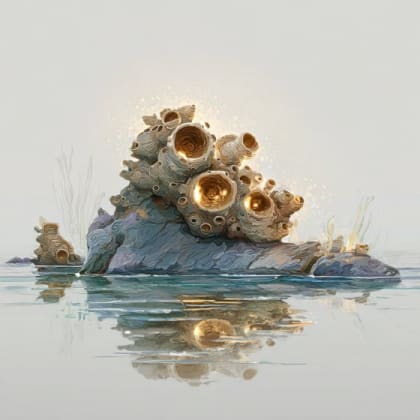
_and_purple_urchins_(Strongylocentrotus_purpuratus).jpg&width=800)





Asterina miniata
Asterina miniata
Asterina miniata, also known as the bat star, is a colorful sea star found in the ocean. It has five arms and can be red, orange, or purple, making it a beautiful sight on the sea floor.
Habitat: Coastal areas
The Asterina miniata is a small, mouse-like mammal covered in soft, reddish-brown fur. It has distinctive star-shaped markings on its back, large dark eyes, and prominent ears. Its unique star pattern helps differentiate it from other small forest rodents.
Category
InvertebrateRarity
Common
Danger
1/5 · Very low
Snaps
Be the first to snap!
Baby Asterinas are born completely blind and totally helpless!
It can squeeze its small body into incredibly tight spaces!
Its fur can glow faintly under moonlight in the deep forest!
This tiny mammal builds complex underground tunnel systems!
Asterina miniata has exceptionally large eyes, which helps them see clearly and forage safely in total darkness.
Asterina miniata has long, sensitive whiskers that help them detect tiny ground vibrations, aiding in finding hidden food and avoiding threats.
Asterina miniata has strong claws designed for rapid digging, which helps them quickly create burrows for shelter and escape predators.
It loves to munch on various insects and worms, sometimes supplementing with small seeds.
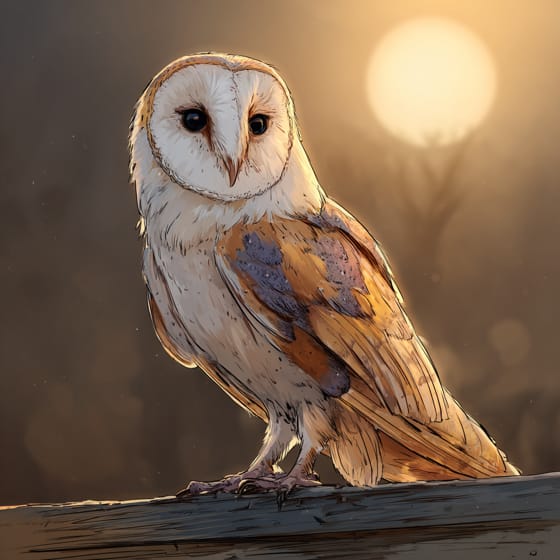
Tyto alba
A common nocturnal predator in its habitat.
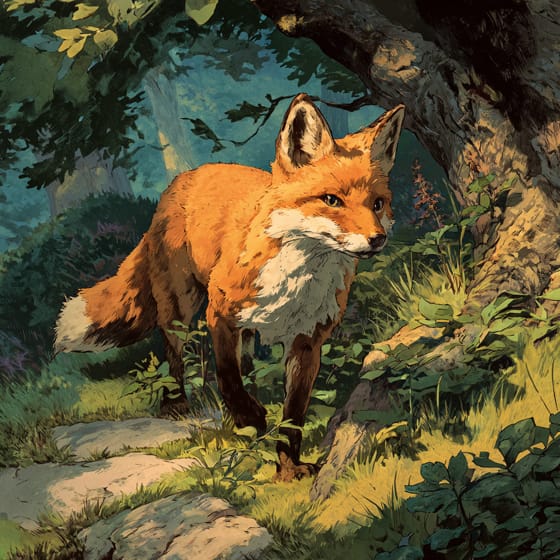
Vulpes vulpes
Preys on small mammals like the Asterina miniata.
Quercus robur
Provides acorns for food and shelter under its roots.
Oryctes rhinoceros
A primary insect food source for this mammal.
Solitary animals live alone for most of their lives, only interacting with others for mating or parental care.
Camouflaged describes organisms that possess coloring or patterns that allow them to blend into their environment.
Colorful describes organisms or objects displaying a wide range of bright and distinct colors.
Coastal habitats are dynamic environments located along the interface between land and sea, influenced by tides, waves, and saltwater.

This trait identifies organisms whose diet consists entirely or primarily of animal tissue.

Diurnal animals are primarily active during daylight hours, typically resting or sleeping at night.

Regenerative organisms possess the ability to regrow lost or damaged body parts, tissues, or organs.

Marine habitats encompass all saltwater environments of the Earth's oceans, supporting an immense diversity of aquatic life.
Danger
1/5 · Very low
Always look but don't touch sea stars, as they are delicate and can be hurt easily.
The easiest way to identify Asterina miniata is to use the Snappit nature identifier app.
10-20 cm
0.1-0.3 kg
2-5 years
15 km/h
It loves to munch on various insects and worms, sometimes supplementing with small seeds.
Coastal areas
Foraging
Zoom in to split clusters and explore where this object has been snapped.
Recent snaps will appear here as new observations are added.
Take the discovery with you
Snap it with Snappit to identify it, learn what makes it special, and add the discovery to your collection.