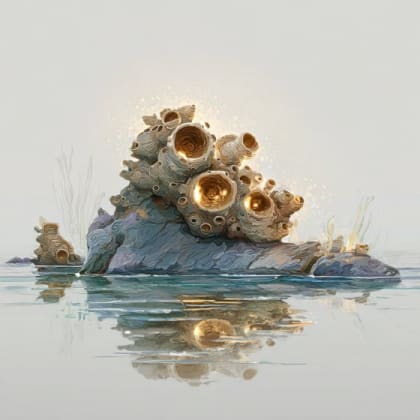
Desert Millipede
orthoporus ornatus
The Desert Millipede is a long, segmented creature that loves to curl up when it feels threatened. These little guys are great recyclers, helping to break down dead plants and leaves in the desert!
Habitat: They live in dry, sandy areas of the desert.
The Desert Millipede has a long, cylindrical body, typically dark brown to black, often with reddish or orange legs. Its robust body is distinctly segmented, appearing smooth, setting it apart from flatter centipedes.
Category
InvertebrateRarity
Common
Danger
1/5 · Very low
Snaps
1
Baby millipedes hatch with only a few legs, gaining more as they grow!
Millipedes don't have a thousand legs, but hundreds!
They coil into a tight spiral to protect their soft bodies from danger!
They use their antennae to taste and smell the ground for yummy treats!
Desert Millipede can release noxious chemicals because of special glands that helps them deter predators.
Desert Millipede can burrow deep into the soil because of its strong legs that helps them escape heat and predators.
Desert Millipede can eat decaying plants because of its mouthparts that help them break down dead organic material.
They are nature's tiny clean-up crew, munching on dead plants and decaying leaves.
Peromyscus eremicus
provides food for desert rodents

Sceloporus magister
a meal for desert lizards
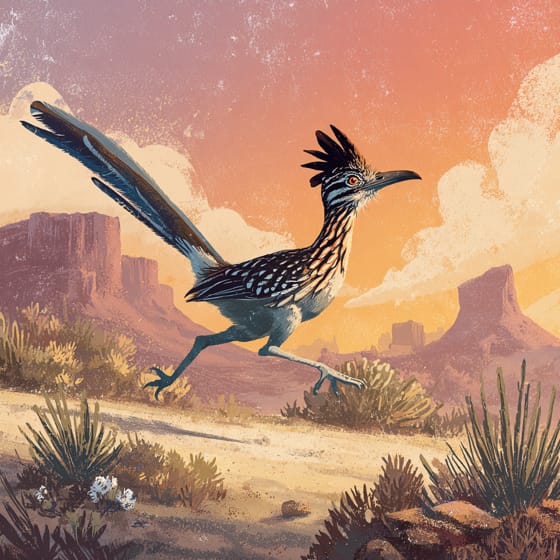
Geococcyx californianus
source of food for ground birds
Solitary animals live alone for most of their lives, only interacting with others for mating or parental care.
Burrowing animals dig tunnels and chambers in the ground, using these subterranean structures for shelter, hunting, or breeding.
This trait characterizes organisms whose diet consists entirely or primarily of plant material.
Describes organisms that break down dead organic material, recycling nutrients back into the ecosystem.

Nocturnal animals are primarily active during the nighttime hours, typically resting or sleeping during the day.
Danger
1/5 · Very low
No special safety notes yet.
The easiest way to identify Desert Millipede is to use the Snappit nature identifier app.
12 cm
15 g
7 years
They are nature's tiny clean-up crew, munching on dead plants and decaying leaves.
They live in dry, sandy areas of the desert.
Foraging
250
Zoom in to split clusters and explore where this object has been snapped.

New Mexico, US
You might spot Vermilion Flycatcher, Turkey, and American Rubyspot.
View guide →

New Mexico, US
You might spot Creosote Bush, Devilshead, and Lace-Spine Nipple Cactus.
View guide →
Take the discovery with you
Snap it with Snappit to identify it, learn what makes it special, and add the discovery to your collection.