





Australian Wood Duck
Chenonetta jubata
The Australian Wood Duck is a lovely bird that likes to swim and waddle around. They have pretty brown and grey feathers and can often be seen in parks and wetlands.
Habitat: Wetlands
The Australian Wood Duck has a distinctive upright posture and a relatively small head. Males feature a dark brown head and neck, a speckled breast, and a grey body. Females are duller, with white stripes above and below their eyes, making them easy to identify.
Category
BirdsRarity
Common
Danger
1/5 · Very low
Snaps
Be the first to snap!
Despite their name, they are frequently found grazing far from actual forests or woodlands.
Ducklings jump from tree hollows shortly after hatching, landing safely on the ground.
These ducks are more closely related to geese than many other true ducks!
They often perch on fences, logs, or tree branches, unlike most other duck species.
Australian Wood Ducks can nest in tree hollows, an unusual trait for ducks, that keeps their eggs safe from ground predators.
Australian Wood Ducks are excellent grazers, using their strong bills to clip grasses and clover directly from the ground.
Australian Wood Ducks have broad, rounded wings that allow them to take off almost vertically, helping them escape danger quickly.
A plant-eater that loves to munch on fresh grasses, seeds, and clover found on land.
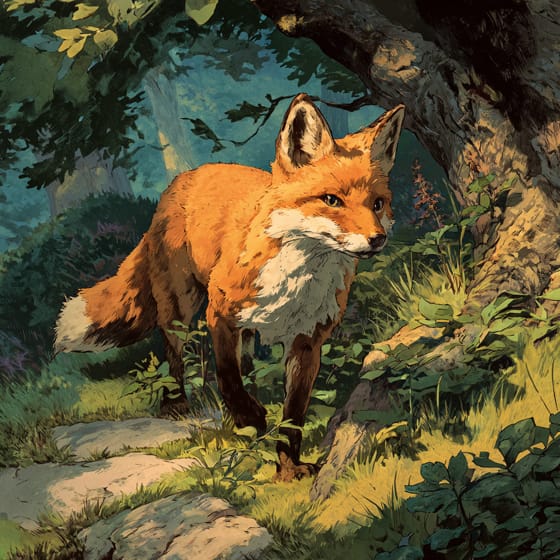
Vulpes vulpes
An introduced predator of eggs and ducklings.
Aquila audax
A large native raptor that preys on adult ducks.
Cynodon dactylon
A common grass that is a primary food source.

Trifolium repens
Another widespread plant frequently grazed by these ducks.
Feathered describes animals, primarily birds, possessing a covering of feathers.
Characterized by having toes connected by a membrane, typically aiding in swimming.
Social animals live in organized groups, cooperating for survival benefits such as foraging, defense, and raising offspring.
This trait characterizes organisms whose diet consists entirely or primarily of plant material.

This habitat trait identifies species found in wetlands, which are areas of land saturated with water, either permanently or seasonally, including marshes, swamps, and bogs.

Diurnal animals are primarily active during daylight hours, typically resting or sleeping at night.

This trait identifies organisms that exhibit exceptional swiftness in movement for hunting, escape, or travel.

Aquatic habitats encompass environments where organisms live predominantly in water, including oceans, rivers, lakes, and wetlands.
No aliases listed yet.
Danger
1/5 · Very low
Always watch ducks from a distance and don't feed them bread.
The easiest way to identify Australian Wood Duck is to use the Snappit nature identifier app.
45-51 cm
70-80 cm
0.7-1 kg
5-10 years
70 km/h
A plant-eater that loves to munch on fresh grasses, seeds, and clover found on land.
Wetlands
Zoom in to split clusters and explore where this object has been snapped.
Recent snaps will appear here as new observations are added.
Take the discovery with you
Snap it with Snappit to identify it, learn what makes it special, and add the discovery to your collection.




.jpg&width=800)








