





Black-bellied Whistling-Duck
Dendrocygna autumnalis
The Black-bellied Whistling-Duck is a fun bird known for its loud whistling calls! It has a black belly and a bright orange bill, making it easy to spot in the wetlands where it lives.
Habitat: Wetlands
The Black-bellied Whistling-Duck has a striking bright pink bill and long, pinkish-orange legs. Its body is mostly chestnut brown, with a distinctive black belly and large white patches on its wings visible in flight. This upright posture and unique bill color set it apart from other ducks.
Category
BirdsRarity
Common
Danger
1/5 · Very low
Snaps
33
Baby whistling-ducks can jump from tree nests up to 50 feet high without getting hurt!
Families sometimes lay their eggs in one giant nest, sharing childcare duties!
Their bright pink bill makes them look like they're ready for a party!
These ducks often gather in huge groups, sometimes thousands strong!
Black-bellied Whistling-Ducks can nest high in tree cavities, an unusual skill for ducks, keeping their eggs safe from ground predators.
Black-bellied Whistling-Ducks have long legs that help them walk and run easily on land, finding food away from water.
Black-bellied Whistling-Ducks have strong pair bonds and both parents help incubate eggs and raise the ducklings.
These ducks mostly munch on yummy plants, seeds, and sometimes tiny insects.
Age differences: Young ducklings may eat more insects for protein before switching to a plant-based diet.
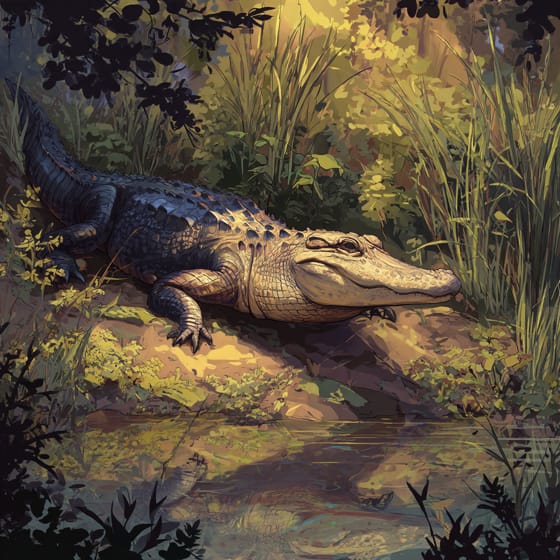
Alligator mississippiensis
Ducklings and adults can become a meal for these large reptiles.

Oryza sativa
Feeds on rice grains, sometimes impacting agricultural fields.

Zea mays
Consumes corn, often found foraging in agricultural areas.
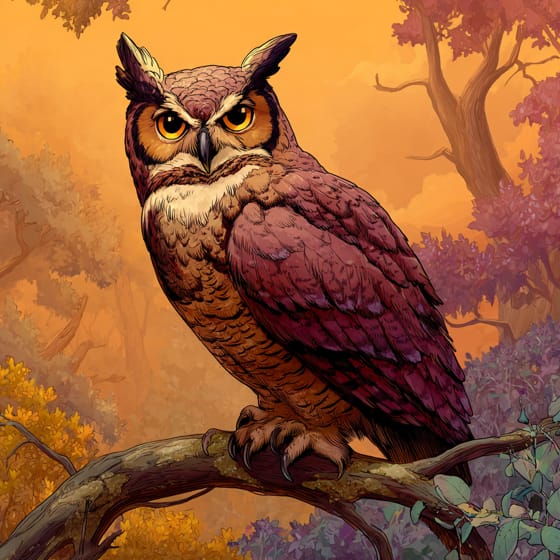
Bubo virginianus
Large raptors like owls can prey on both adult ducks and ducklings.
Feathered describes animals, primarily birds, possessing a covering of feathers.
Characterized by having toes connected by a membrane, typically aiding in swimming.
Social animals live in organized groups, cooperating for survival benefits such as foraging, defense, and raising offspring.
Singing animals produce complex vocalizations, often for purposes of attracting mates, defending territory, or communicating within their species.

Colorful describes organisms or objects displaying a wide range of bright and distinct colors.

This trait characterizes organisms whose diet consists entirely or primarily of plant material.

This habitat trait identifies species found in wetlands, which are areas of land saturated with water, either permanently or seasonally, including marshes, swamps, and bogs.

Diurnal animals are primarily active during daylight hours, typically resting or sleeping at night.
Danger
1/5 · Very low
Always watch birds from a distance and don't try to touch them.
The easiest way to identify Black-bellied Whistling-Duck is to use the Snappit nature identifier app.
47-56 cm
76-94 cm
0.65-1.3 kg
8-10 years
65 km/h
These ducks mostly munch on yummy plants, seeds, and sometimes tiny insects.
Wetlands
Zoom in to split clusters and explore where this object has been snapped.

Georgia, US
You might spot Common Vetch, Tiny Bluet, and Carolina Crane's-Bill.
View guide →

Arkansas, US
You might spot Eastern Gray Squirrel and Asian Lady Beetle.
View guide →

Missouri, US
You might spot Common Eastern Bumble Bee and Brown-Belted Bumble Bee.
View guide →

US
You might spot Wharf Louse, Osprey, and Ruddy Turnstone.
View guide →

Texas, US
You might spot Eastern Fox Squirrel and Great-Tailed Grackle.
View guide →

Alabama, US
You might spot Anole, Eastern Box Turtle, and Resurrection Fern.
View guide →
Take the discovery with you
Snap it with Snappit to identify it, learn what makes it special, and add the discovery to your collection.




.jpg&width=800)







