





Aztec Dancer
Argia nahuana
The Aztec Dancer is a beautiful dragonfly with bright colors. It loves to flutter around near water, showing off its amazing flying skills. Watching it dance in the air is like seeing a tiny rainbow!
Habitat: Wetlands
The Aztec Dancer is a slender damselfly, usually bright blue with black markings on its abdomen and thorax, especially in males. Its clear, delicate wings are held together over its back when resting, unlike dragonflies. Females are typically duller, often greenish-brown or bluish-gray.
Category
InsectsRarity
Common
Danger
1/5 · Very low
Snaps
Be the first to snap!
Aztec Dancer babies live underwater for months or even years before flying!
Male Aztec Dancers perform dazzling aerial dances to attract a mate!
They can eat hundreds of tiny annoying mosquitoes in just one day!
When an Aztec Dancer grows up, it leaves its old skin behind clinging to a plant!
Aztec Dancer can quickly change direction in mid-air because of its agile wings that help them hunt flying insects.
Its nymphs (young Aztec Dancers) can breathe underwater using gills that helps them hunt tiny aquatic prey.
Aztec Dancer has huge compound eyes that helps them spot prey and predators from almost any direction.
Aztec Dancer can dart quickly through dense vegetation because of its slender body, helping it evade predators.
Tiny flying insects are on the menu for this speedy hunter, keeping mosquito populations in check!
Age differences: Young Aztec Dancers (nymphs) eat aquatic insects, while adults hunt flying insects in the air.
Culex pipiens
Adults help control mosquito populations.
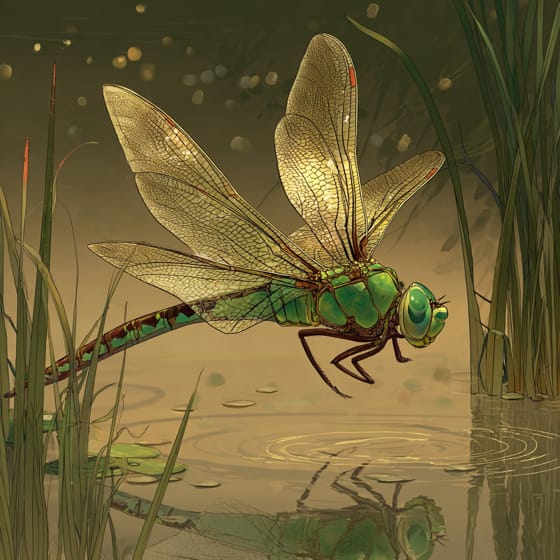
Anax junius
Larger dragonflies sometimes prey on smaller damselflies.
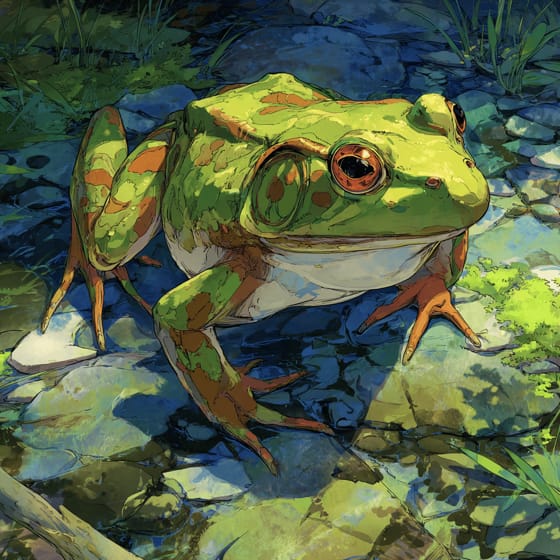
Lithobates catesbeianus
Frogs prey on adult damselflies near water.
Gambusia affinis
Fish eat damselfly nymphs in the water.
Aerial creatures spend a significant portion of their lives airborne, utilizing flight for various activities such as hunting, migration, or nesting.
Colorful describes organisms or objects displaying a wide range of bright and distinct colors.
This trait identifies organisms whose diet primarily consists of insects and other small invertebrates.
Describes plants that are particularly attractive and beneficial to a wide range of pollinating organisms.

This habitat trait identifies species found in wetlands, which are areas of land saturated with water, either permanently or seasonally, including marshes, swamps, and bogs.

Diurnal animals are primarily active during daylight hours, typically resting or sleeping at night.

This trait identifies organisms that exhibit exceptional swiftness in movement for hunting, escape, or travel.

Describes organisms that transfer pollen, enabling the fertilization and reproduction of plants.
No aliases listed yet.
Danger
1/5 · Very low
Be gentle and quiet when watching dragonflies so you don't scare them away.
The easiest way to identify Aztec Dancer is to use the Snappit nature identifier app.
40-55 mm
30-38 mm
30-60 days
10 km/h
Tiny flying insects are on the menu for this speedy hunter, keeping mosquito populations in check!
Wetlands
Pursuit
Zoom in to split clusters and explore where this object has been snapped.
Recent snaps will appear here as new observations are added.
Take the discovery with you
Snap it with Snappit to identify it, learn what makes it special, and add the discovery to your collection.








.jpg&width=800)



