





Bell'S Roadside-Skipper
amblyscirtes belli
The Bell's Roadside-Skipper is a small, colorful butterfly that flits around in open fields. Kids will love watching these butterflies dance from flower to flower on sunny days!
Habitat: Open fields and grasslands
The Bell'S Roadside-Skipper is a small, stout-bodied butterfly with dark brown to blackish wings. Its forewings feature small, indistinct white or translucent spots, and its hindwings are typically unmarked. Like other skippers, it has hooked antennae and a stocky appearance, differing from slender true butterflies.
Category
InsectsRarity
Common
Danger
0/5 · No known danger
Snaps
1
The scientific name *Amblyscirtes belli* honors a famous entomologist, Ernest Bell!
Their caterpillars are master builders, rolling grass blades into tiny shelters!
These tiny flyers have antennae with hooks at the end, like a mini grappling hook!
Unlike many butterflies, skippers hold their wings in a unique "delta" shape at rest!
Bell'S Roadside-Skipper can dart away from danger with incredible speed because of its powerful wing muscles that enable very fast, erratic flight.
Bell'S Roadside-Skipper has a long, coiled proboscis that helps them sip nectar from deep inside flowers like a tiny, flexible straw.
Bell'S Roadside-Skipper has drab brown coloration that helps them blend perfectly into dry grasses and dirt, making them incredibly hard to spot.
Adults sip flower nectar; caterpillars munch on various grasses.
Age differences: Larvae eat grass blades as host plants, while adults drink nectar from flowers for energy.
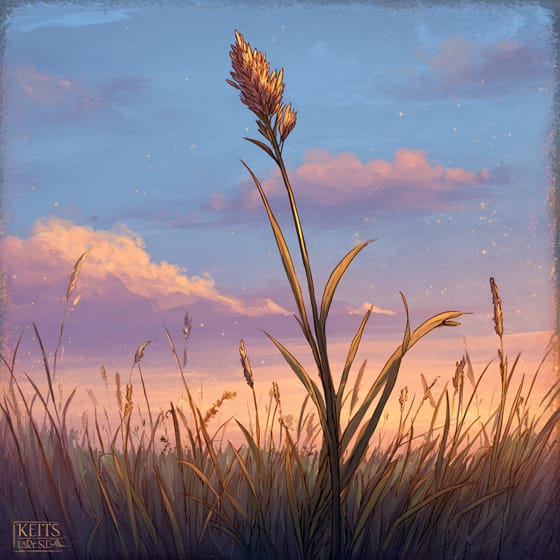
Andropogon gerardii
Caterpillars feed on the leaves of this prairie grass.
Solidago canadensis
Adults visit its flowers to drink nectar and transfer pollen.
Polistes carolina
Wasps are generalist predators of butterfly larvae and adults.
Solitary animals live alone for most of their lives, only interacting with others for mating or parental care.
Colorful describes organisms or objects displaying a wide range of bright and distinct colors.
Grassland habitats are terrestrial biomes dominated by grasses and herbaceous plants, supporting a variety of grazing animals.
Diurnal animals are primarily active during daylight hours, typically resting or sleeping at night.

Describes organisms that transfer pollen, enabling the fertilization and reproduction of plants.
Danger
0/5 · No known danger
No special safety notes yet.
The easiest way to identify Bell'S Roadside-Skipper is to use the Snappit nature identifier app.
25-35 mm
15-20 mm
10-25 days
12 km/h
Adults sip flower nectar; caterpillars munch on various grasses.
Open fields and grasslands
Foraging
Zoom in to split clusters and explore where this object has been snapped.
Take the discovery with you
Snap it with Snappit to identify it, learn what makes it special, and add the discovery to your collection.








.jpg&width=800)



