%2C_Fort_du_Loc%27h%2C_Guidel%2C_Brittany%2C_France_(19900725286)_(cropped).jpg&width=800)





Bembix rostrata
Bembix rostrata
Bembix rostrata, also known as the sand wasp, is a small, fast insect that loves to dig in the sand. They are great at catching other insects to feed their babies and are often seen buzzing around sandy areas.
Habitat: Coastal areas
The Bembix rostrata is a medium-sized wasp with a striking black and bright yellow striped abdomen. It has large, often greenish compound eyes and a distinctive, elongated proboscis resembling a snout. Its body can appear somewhat robust.
Category
InsectsRarity
Common
Danger
2/5 · Low
Snaps
Be the first to snap!
Female sand wasps can dig burrows in mere minutes using special bristles!
Male Bembix rostrata are known to "toss" females during their dramatic mating rituals!
Mother wasps provide their young with fresh, living food daily inside their burrows.
They fly with paralyzed prey held beneath their bodies, an amazing aerial feat!
Bembix rostrata can dig elaborate burrows in sand remarkably fast using specialized bristles and legs that help them create homes for their young.
Bembix rostrata can deliver a precise sting that paralyzes prey without killing it, ensuring fresh food for their developing larvae.
Bembix rostrata has a long, proboscis-like mouthpart that helps them drink nectar deeply from various flowers for energy.
Bembix rostrata can carry relatively large, paralyzed prey beneath its body while flying, efficiently transporting food to its burrow.
This sand wasp is an insectivore, paralyzing flying insects to feed its young.
Age differences: Larvae consume paralyzed insects; adults feed solely on nectar for energy.
Musca domestica
Larvae feed on paralyzed flies.
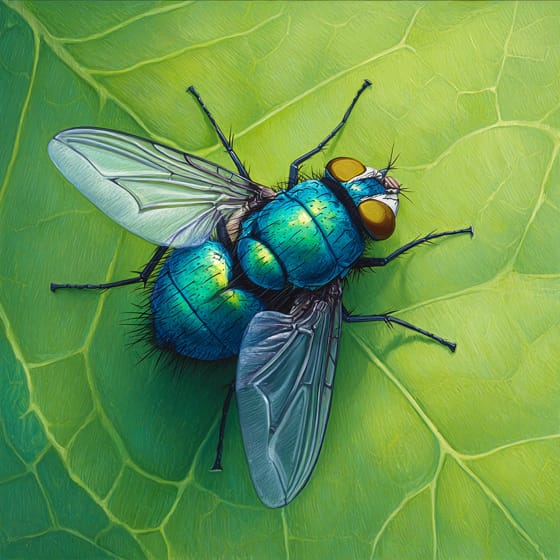
Calliphora vomitoria
Common prey for the wasp's offspring.
Thymus serpyllum
Adults drink nectar for energy.
Miltogramma punctatum
Lays eggs in wasp's burrow to steal food.
Solitary animals live alone for most of their lives, only interacting with others for mating or parental care.
This trait identifies organisms whose diet primarily consists of insects and other small invertebrates.
Coastal habitats are dynamic environments located along the interface between land and sea, influenced by tides, waves, and saltwater.
This trait identifies organisms whose diet consists entirely or primarily of animal tissue.

Diurnal animals are primarily active during daylight hours, typically resting or sleeping at night.

Describes a species whose presence and role have a disproportionately large effect on its environment.

Pertaining to species that are significantly smaller than typical or average for their kind.

This trait identifies organisms that exhibit exceptional swiftness in movement for hunting, escape, or travel.

Describes organisms that transfer pollen, enabling the fertilization and reproduction of plants.
Danger
2/5 · Low
Watch from a distance and don't bother them while they are working.
The easiest way to identify Bembix rostrata is to use the Snappit nature identifier app.
25-45 mm
13-24 mm
20-40 days
20 km/h
This sand wasp is an insectivore, paralyzing flying insects to feed its young.
Coastal areas
Pursuit
Zoom in to split clusters and explore where this object has been snapped.
Recent snaps will appear here as new observations are added.
Take the discovery with you
Snap it with Snappit to identify it, learn what makes it special, and add the discovery to your collection.








.jpg&width=800)



