





Binturong
Arctictis binturong
Binturongs are unique animals that look like a mix between a cat and a bear! They have long tails and love to climb trees in the forests of Southeast Asia.
Habitat: Forests
The Binturong has shaggy, coarse black fur, often with white or grayish tips, and long, prominent white whiskers. Its small ears have distinctive white tufts, and it possesses a long, bushy, prehensile tail.
Category
MammalsRarity
Common
Danger
2/5 · Low
Snaps
Be the first to snap!
Binturong mothers carry their babies in their mouths to move them safely.
Binturongs are expert climbers and can even descend trees head-first!
Long whiskers help them feel their way through the dark jungle at night.
Sometimes called 'bearcats,' these mammals are actually related to civets and mongooses!
Binturong can hang upside down by its prehensile tail because it's strong enough to support its entire body weight.
Binturong has special scent glands that help them mark their territory with a buttery popcorn-like smell.
Binturong can climb trees head-first down because of flexible ankle joints that rotate backwards.
These furry friends munch on fruits, especially figs, but also enjoy small creatures.
Ficus racemosa
Crucial food, eating sweet fruits helps disperse seeds.
Rattus tanezumi
Opportunistically catches small rodents.
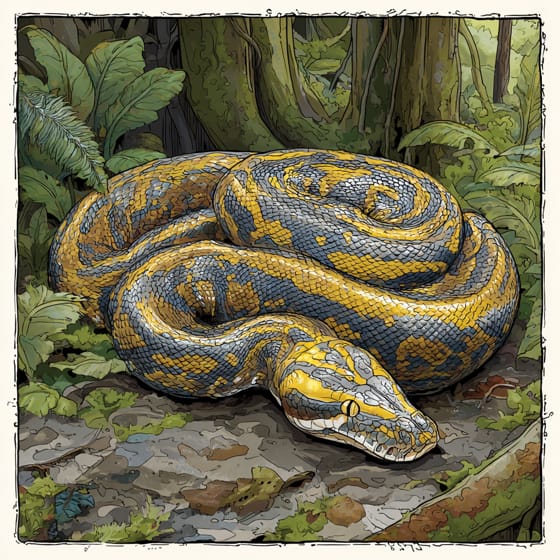
Python reticulatus
Large snakes are a potential predator for binturongs.
Furry describes animals possessing a dense covering of soft hair or fur.
Social animals live in organized groups, cooperating for survival benefits such as foraging, defense, and raising offspring.
This trait identifies organisms whose diet includes both plant and animal matter.
Arboreal animals live primarily in trees, utilizing them for shelter, food, and protection from predators.

Forest habitats are terrestrial environments dominated by dense tree cover, supporting a high diversity of plant and animal life.

Nocturnal animals are primarily active during the nighttime hours, typically resting or sleeping during the day.

Endangered status indicates a species is at a very high risk of extinction in the wild in the near future.
Danger
2/5 · Low
Binturongs are wild animals, so it's best to watch them from a distance.
The easiest way to identify Binturong is to use the Snappit nature identifier app.
60-96 cm
9-20 kg
15-20 years
25 km/h
These furry friends munch on fruits, especially figs, but also enjoy small creatures.
Forests
Foraging
Zoom in to split clusters and explore where this object has been snapped.
Recent snaps will appear here as new observations are added.

Massachusetts, US
You might spot American Bison, Domestic Bactrian Camel, and Black Bear.
View guide →
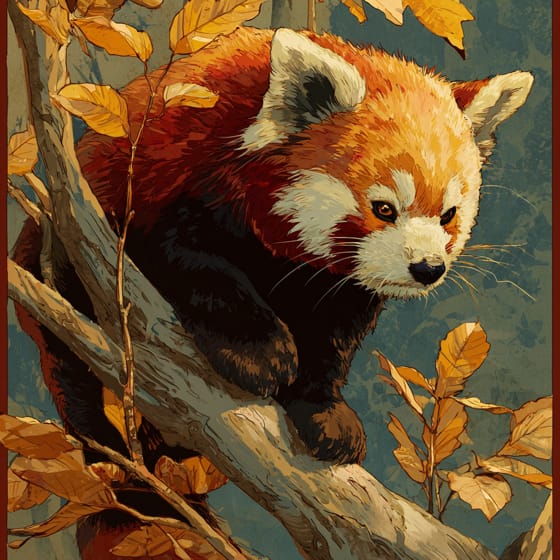
Delaware, US
You might spot Red Panda, Andean Condor, and Crowned Sifaka.
View guide →
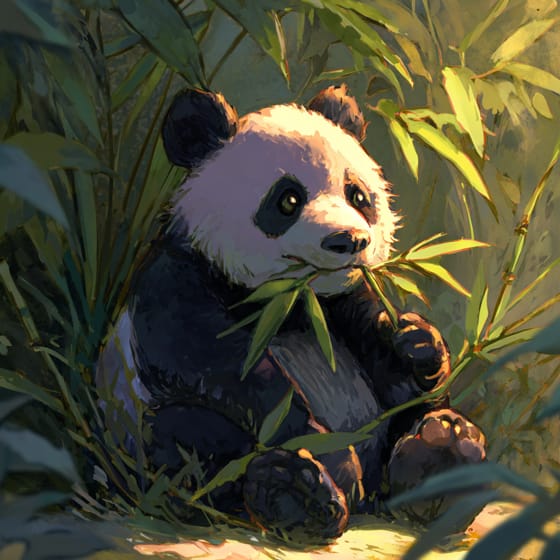
Georgia, US
You might spot Giant Panda, African Elephant, and African Lion.
View guide →

Grand Est, FR
You might spot African Elephant, White Rhinoceros, and Giraffes.
View guide →
Take the discovery with you
Snap it with Snappit to identify it, learn what makes it special, and add the discovery to your collection.




.jpg&width=800)


.JPG&width=800)



.jpg&width=800)
