Camel
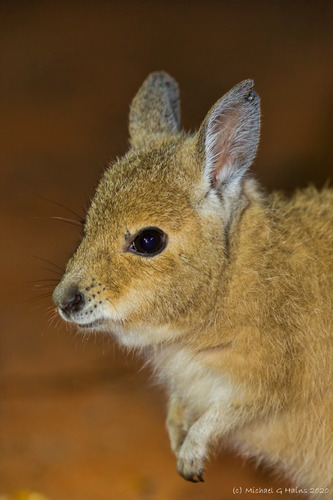
Roos-n-More Zoo, though permanently closed since December 17, 2016, was once a distinctive non-profit zoo located in Moapa, Nevada, approximately an hour northeast of Las Vegas.
Roos-n-More Zoo, though permanently closed since December 17, 2016, was once a distinctive non-profit zoo located in Moapa, Nevada, approximately an hour northeast of Las Vegas. It carved out a niche by providing an exceptionally interactive experience, allowing visitors up-close and personal encounters with a diverse array of exotic animals. Unlike traditional zoos where observation from a distance is the norm, Roos-n-More focused on "ed-zoo-cational" interactions, fostering a deeper connection between guests and the animal residents.Visitors in its operating years could have expected to feed camels, cuddle with kangaroos and wallabies, pet porcupines, and even interact with playful otters and curious lemurs. The intimate setting, often facilitated through private tours or smaller group visits, made for memorable experiences, where guests could learn directly from passionate zookeepers about the animals' behaviors and conservation needs. It was a place designed to inspire through direct engagement, aiming to spark a desire to protect wildlife by allowing people to feel a personal connection.The zoo's collection included a fascinating mix of mammals, birds, and reptiles, many of which were part of captive breeding programs for endangered species. From the bouncing joy of a baby kangaroo to the slow, deliberate movements of a sloth, the venue presented opportunities rarely found elsewhere. It was a place where unexpected friendships with the animal kingdom could blossom, leaving a lasting impression on those who visited. Take the ultimate field guide with you: use the Snappit app to identify birds, plants, and animals on your trip.
Roos-n-More Zoo was founded by veterinarians Dr. Valerie and Jay Holt in 2008, stemming from their personal collection of exotic pets. Their initial journey into animal care began in 2002 when Jay gifted Valerie a wallaby named Pogo, inspiring her passion for captive breeding of endangered animals. Over time, their home in Moapa became sanctuary to an increasing number of exotic animals, leading them to open it as a non-profit educational zoo to the public.The zoo faced ongoing challenges with county regulations and inspections. It was forced to close in 2014 due to failed county inspections, but was granted permission to reopen in June 2016 under several conditions, including limits on visitor numbers and operational days. Despite efforts, including a fundraiser in partnership with Zappos.com to help with renovations, the financial burden of meeting complex code requirements, such as installing fire sprinklers, proved insurmountable. After a prolonged battle with Clark County commissioners and concerns raised about animal welfare and facility conditions, Roos-n-More Zoo permanently ceased operations on December 17, 2016. Its extensive animal collection, which included over 150 animals at one point, was rehomed to other attractions, sanctuaries, or adopted.
Guests would participate in guided tours, offering feeding opportunities and close contact with a wide range of animals. Educational presentations by zookeepers provided insights into the species and conservation efforts.
Given Nevada's desert climate, cooler months (fall, winter, spring) would have provided a more comfortable experience for both visitors and animals. Summer visits might have been very warm, making early morning the only practical time for animal activity.
Specific details on accessibility for Roos-n-More are limited due to its private nature and closure. Generally, zoos aim for wheelchair accessibility, but with unpaved paths often found in such venues, it's best to assume it may have had some limitations.
Unique hands-on interaction with animals
Feeding camels like Jafar
Scratching kangaroos like Amaroo
Petting porcupines
Each card links to a full Explore page with photos, traits, and fun facts.
Start with the big picture, then zoom in to explore individual wildlife observations around this place.
Always check the zoo's (historical) website or social media for tour availability, as it often operated on a private tour or limited public day basis.
Wear comfortable, closed-toe shoes suitable for walking, as paths might have been unpaved.
Bring water, especially during warmer months, as it was located in a desert climate.
Arrive early in the morning for the best chance to see animals at their most active.
Be prepared for direct animal contact and follow all instructions from the zookeepers for a safe and enriching experience.
Consider bringing a camera with a good zoom for capturing close-up shots of the animals during interactions.
Recent snaps will appear here as new observations are added.

Michigan, US
You might spot African Lion, Komodo Dragon, and Brown Bear.
View guide →
.jpg)
Municipal District of Cobh, IE
You might spot Ring-Tailed Lemur, Giraffes, and Cheetahs.
View guide →

Nouvelle-Aquitaine, FR
You might spot Greater Flamingo, Giraffes, and Red Panda.
View guide →

Texas, US
You might spot Giraffes, African Lion, and Eastern Black Rhinoceros.
View guide →