





Black-bellied Slender Salamander
Batrachoseps nigriventris
The Black-bellied Slender Salamander is a small, slender creature with a shiny black belly. It loves to hide under rocks and logs in moist places, making it a secretive little friend in nature.
Habitat: Forests
The Black-bellied Slender Salamander is a tiny, worm-like amphibian with extremely slender limbs and a smooth, dark brown to black body. It typically has a distinct, solid dark (often black) underside. Sometimes, a subtle reddish or lighter stripe may run down its back.
Category
AmphibiansRarity
Common
Danger
1/5 · Very low
Snaps
2
Black-bellied Slender Salamanders are so tiny, they can fit inside a bottle cap when fully grown!
These amazing salamanders can live up to ten years in the wild, quite long for their size!
They belong to a special group of amphibians called 'lungless salamanders' – they breathe through skin!
Unlike many amphibians, these tiny salamanders lay their eggs on land, not in water!
The Black-bellied Slender Salamander has a super slender body that helps them squeeze into tiny cracks and hide from predators.
Black-bellied Slender Salamander can shoot out a sticky tongue to snatch up tiny insects and other tasty morsels.
Black-bellied Slender Salamander can detach its tail to distract a predator, letting them wriggle away to safety.
This salamander breathes directly through its moist skin, absorbing oxygen from the air and water around it.
These tiny hunters use their sticky tongues to gobble up small insects and other invertebrates.
Thamnophis atratus
A common snake predator in its habitat.
Sorex ornatus
Shrews might prey on small salamanders.
Hypogastrura nivicola
Feeds on tiny springtails in leaf litter.
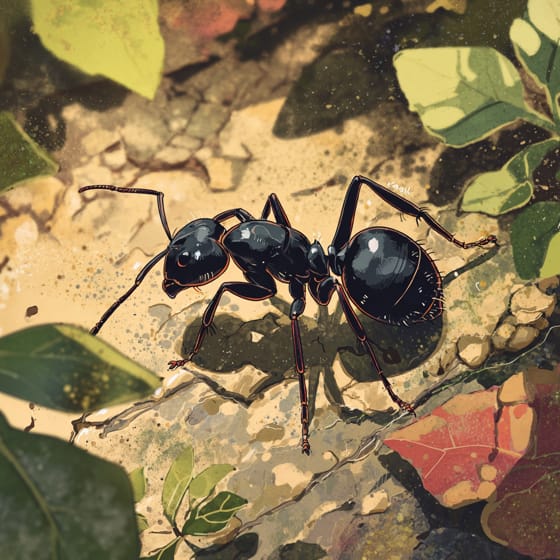
Lasius niger
Consumes various small ants.
Solitary animals live alone for most of their lives, only interacting with others for mating or parental care.
This trait identifies organisms whose diet primarily consists of insects and other small invertebrates.
Forest habitats are terrestrial environments dominated by dense tree cover, supporting a high diversity of plant and animal life.
Pertaining to species that are significantly smaller than typical or average for their kind.

Nocturnal animals are primarily active during the nighttime hours, typically resting or sleeping during the day.

Endangered status indicates a species is at a very high risk of extinction in the wild in the near future.
No aliases listed yet.
Danger
1/5 · Very low
Always wash your hands after touching a salamander, as they can be sensitive to oils and dirt.
The easiest way to identify Black-bellied Slender Salamander is to use the Snappit nature identifier app.
7-10 cm
0.001-0.005 kg
5-10 years
0.1 km/h
These tiny hunters use their sticky tongues to gobble up small insects and other invertebrates.
Forests
Foraging
Zoom in to split clusters and explore where this object has been snapped.
Take the discovery with you
Snap it with Snappit to identify it, learn what makes it special, and add the discovery to your collection.









.JPG&width=800)


.jpg&width=800)

