





Spiny Toad
Bufo spinosus
The Spiny Toad is a unique little creature with bumpy skin and spines that help protect it. It loves to hop around in damp places and can be found near ponds and streams.
Habitat: Wetlands
The Spiny Toad is a large, stout amphibian with rough, warty skin that ranges from brown to olive-green or grey. It has prominent, kidney-shaped parotoid glands behind its golden, horizontally slit eyes. Its body is covered in small, spiny bumps.
Category
AmphibiansRarity
Common
Danger
2/5 · Low
Snaps
Be the first to snap!
During winter, Spiny Toads hibernate by burying themselves in mud or under logs for months!
Male Spiny Toads have special bumpy thumbs to help them hold onto females during mating!
Sometimes, a Spiny Toad will shed its entire skin and then eat it to recover nutrients!
These toads often have beautiful golden eyes with striking horizontal pupils.
Spiny Toads can release a milky poison from glands behind their eyes that helps them deter predators.
Spiny Toads have large golden eyes with horizontal pupils that help them spot prey in low-light conditions.
Spiny Toads can absorb water directly through special patches on their skin, rather than drinking.
Spiny Toads are mighty hunters who mostly eat creepy crawlies they find on land.
Age differences: Young tadpoles graze on algae and detritus, while adult toads hunt insects and other invertebrates.

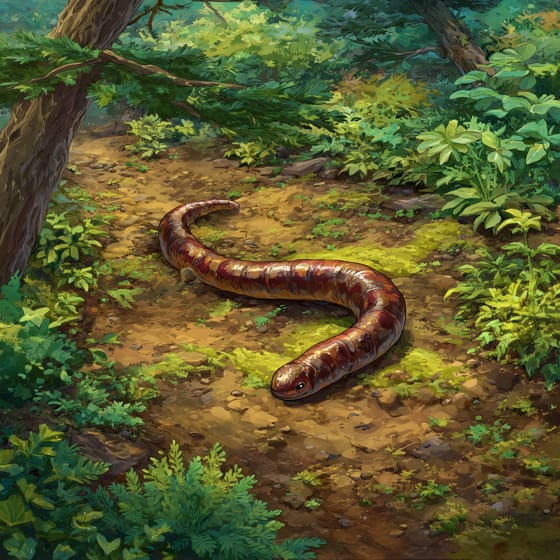
Natrix maura
These snakes prey on toad tadpoles and juveniles.
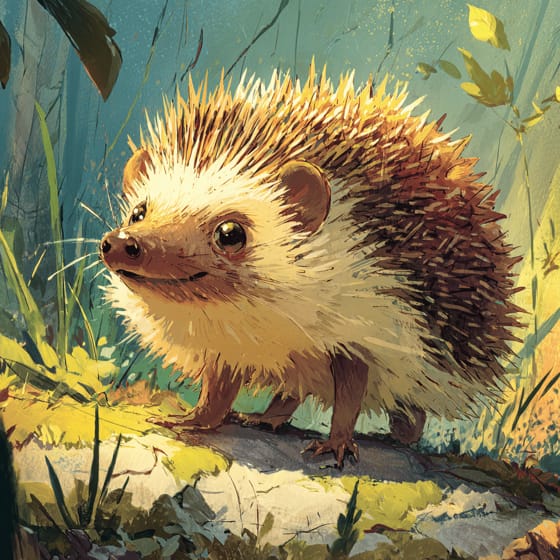
Erinaceus europaeus
Hedgehogs are immune to toad toxins and frequently hunt them.
Lumbricus terrestris
A primary food source, the toad catches worms with its sticky tongue.
Limax maximus
Slugs are slow-moving prey, easily caught by toads.
Solitary animals live alone for most of their lives, only interacting with others for mating or parental care.
Camouflaged describes organisms that possess coloring or patterns that allow them to blend into their environment.
This trait identifies organisms whose diet primarily consists of insects and other small invertebrates.
Possessing sharp, pointed projections or spines on the body or surface.

This habitat trait identifies species found in wetlands, which are areas of land saturated with water, either permanently or seasonally, including marshes, swamps, and bogs.

Nocturnal animals are primarily active during the nighttime hours, typically resting or sleeping during the day.
No aliases listed yet.
Danger
2/5 · Low
Don't touch toads without asking an adult, as some can be sensitive to handling.
The easiest way to identify Spiny Toad is to use the Snappit nature identifier app.
10-18 cm
0.05-0.25 kg
10-15 years
0.5 km/h
Spiny Toads are mighty hunters who mostly eat creepy crawlies they find on land.
Wetlands
Ambush
Zoom in to split clusters and explore where this object has been snapped.
Recent snaps will appear here as new observations are added.
Take the discovery with you
Snap it with Snappit to identify it, learn what makes it special, and add the discovery to your collection.








.JPG&width=800)



.jpg&width=800)

