





Black Crake
Zapornia flavirostra
The Black Crake is a small, colorful bird that loves to live near water. It has a bright yellow bill and can often be seen walking around in wetlands, looking for tasty bugs and seeds.
Habitat: Wetlands
The Black Crake is a small, entirely black bird with striking bright yellow legs and a vivid yellow bill. Its plumage is uniformly sooty black, making the contrasting yellow features highly visible and distinct from other dark marsh birds.
Category
BirdsRarity
Common
Danger
1/5 · Very low
Snaps
Be the first to snap!
A baby Black Crake is covered in fluffy black down when it hatches!
Despite being a water bird, Black Crakes do not have webbed feet!
Their eggs can be different shades, even in the same nest!
These secretive birds are much easier to hear calling than they are to spot!
Black Crake can squeeze through dense reeds and grass because of its narrow body shape, helping it hide and move silently.
Black Crake has long, strong toes that help them walk across floating vegetation without sinking, perfect for wetland life.
Black Crake can deftly probe soft mud with its pointed yellow bill to find hidden insects and larvae.
Black Crakes are omnivores, munching on insects, small fish, and seeds from aquatic plants.
Haliaeetus vocifer
Juvenile or adult crakes can be prey for this large raptor.
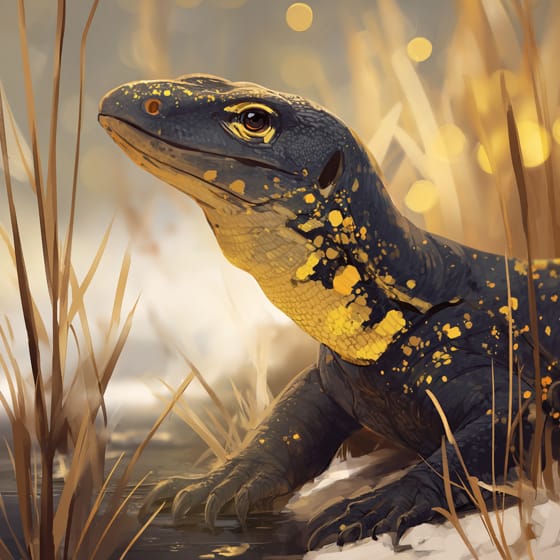
Varanus niloticus
Monitor lizards may prey on crake eggs, chicks, or adults.

Aonyx capensis
Otters are opportunistic predators in wetland environments.
Anopheles gambiae
Crakes feed on mosquito larvae in the water, helping control populations.
Feathered describes animals, primarily birds, possessing a covering of feathers.
Social animals live in organized groups, cooperating for survival benefits such as foraging, defense, and raising offspring.
This trait identifies organisms whose diet includes both plant and animal matter.
Colorful describes organisms or objects displaying a wide range of bright and distinct colors.

This trait identifies organisms whose diet primarily consists of insects and other small invertebrates.

This habitat trait identifies species found in wetlands, which are areas of land saturated with water, either permanently or seasonally, including marshes, swamps, and bogs.

Diurnal animals are primarily active during daylight hours, typically resting or sleeping at night.

Freshwater habitats include non-saline aquatic environments such as rivers, lakes, ponds, and wetlands, vital for numerous species.

This trait identifies organisms that exhibit exceptional swiftness in movement for hunting, escape, or travel.

Aquatic habitats encompass environments where organisms live predominantly in water, including oceans, rivers, lakes, and wetlands.
No aliases listed yet.
Danger
1/5 · Very low
Always watch birds from a distance and don't try to catch them.
The easiest way to identify Black Crake is to use the Snappit nature identifier app.
19-23 cm
30-40 cm
0.044-0.087 kg
3-7 years
Black Crakes are omnivores, munching on insects, small fish, and seeds from aquatic plants.
Wetlands
Foraging
Zoom in to split clusters and explore where this object has been snapped.
Recent snaps will appear here as new observations are added.
Take the discovery with you
Snap it with Snappit to identify it, learn what makes it special, and add the discovery to your collection.




.jpg&width=800)








