





Wandering Tattler
Tringa incana
The Wandering Tattler is a shorebird known for its long legs and beautiful gray feathers. It loves to walk along the coast, searching for tasty little creatures to eat.
Habitat: Coastal areas
The Wandering Tattler is a medium-sized shorebird with a sleek, mostly gray body, a white belly finely barred with dark gray in breeding plumage, and distinctive bright yellow legs. Its medium-long, dark bill is slightly upturned, setting it apart from other similar-sized waders.
Category
BirdsRarity
Common
Danger
1/5 · Very low
Snaps
3
Its name "tattler" comes from its distinctive, loud, and whistling alarm call!
This bird is known to bob its head and tail constantly while it walks along the shore.
Unlike many shorebirds, it often nests far inland, building nests near mountain streams in the tundra.
Wandering Tattlers use their sturdy bills like tools to flip over pebbles and seaweed to uncover hidden snacks.
Wandering Tattler can deftly leap and hop over slippery rocks to find food because of its strong legs and agile movements.
Wandering Tattler has specialized foraging techniques that help them snatch small creatures from crashing waves without being swept away.
Wandering Tattler can produce a loud, whistling "tattling" call that helps them communicate across noisy coastlines.
They munch on tiny crabs, marine worms, and other small critters found along rocky shores.

Pachygrapsus crassipes
forages for these crabs among coastal rocks.
Nereis vexillosa
probes mud and sand to extract these hidden worms.
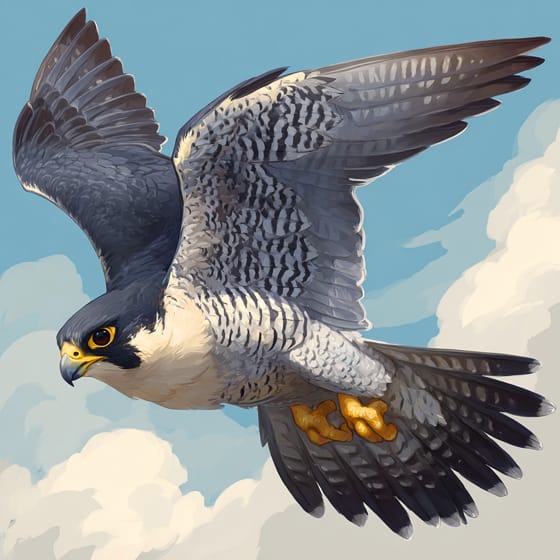
Falco peregrinus
a common predator of shorebirds, including tattlers.
%2C_Point_Lobos%2C_CA%2C_US_-_May_2013.jpg&width=800)
Larus occidentalis
large gulls can prey on tattler eggs, chicks, or even adults.
Feathered describes animals, primarily birds, possessing a covering of feathers.
Social animals live in organized groups, cooperating for survival benefits such as foraging, defense, and raising offspring.
Coastal habitats are dynamic environments located along the interface between land and sea, influenced by tides, waves, and saltwater.
This trait identifies organisms whose diet consists entirely or primarily of animal tissue.

Diurnal animals are primarily active during daylight hours, typically resting or sleeping at night.

Aquatic habitats encompass environments where organisms live predominantly in water, including oceans, rivers, lakes, and wetlands.

Migratory animals undertake seasonal movements from one region to another, typically in response to changes in climate or food availability.
No aliases listed yet.
Danger
1/5 · Very low
Always watch birds from a distance and be quiet so you don't scare them away.
The easiest way to identify Wandering Tattler is to use the Snappit nature identifier app.
25-29 cm
50-58 cm
0.08-0.17 kg
5-12 years
80 km/h
They munch on tiny crabs, marine worms, and other small critters found along rocky shores.
Coastal areas
Zoom in to split clusters and explore where this object has been snapped.
Jun 6, 2026
Koko Crater Botanical GardenPhoto attribution
(c) Damien Wallace, some rights reserved (CC BY)
License: CC BY 4.0 ↗
Image may be shown cropped inside the card frame.

Alaska, US
You might spot Steller Sea Lion, Harbor Seal, and Tufted Puffin.
View guide →

Hawaii, US
You might spot Yellow ʻilima, Red-Tailed Tropicbird, and White Leadtree.
View guide →

Hawaii, US
You might spot Sea Turtle, Great White Shark, and Spotted Eagle Ray.
View guide →
Hawaii, US
You might spot Sea Turtle, Blacktip Reef Shark, and Spotted Eagle Ray.
View guide →
Take the discovery with you
Snap it with Snappit to identify it, learn what makes it special, and add the discovery to your collection.




.jpg&width=800)







