





California Gull
Larus californicus
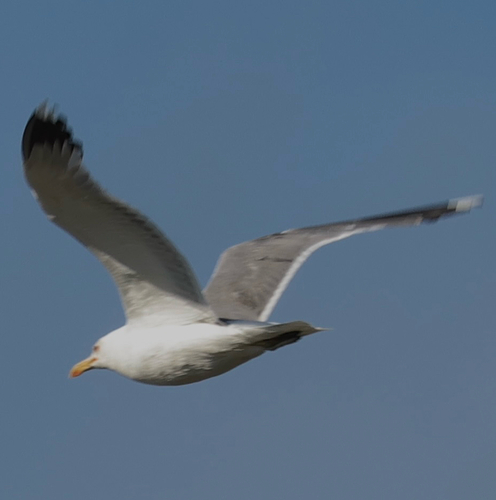
California Gulls are fun birds that live near the coast and love to eat fish! They have gray wings and a bright white body, making them easy to spot when they fly.
Habitat: Coastal areas
The California Gull has a medium-grey back and wings, with white underparts. Its wingtips are black with distinct white spots. It has a yellow bill with a noticeable black and red spot near the tip, and yellowish-green legs.
Category
BirdsRarity
Common
Danger
2/5 · Low
Snaps
4
California Gulls are the state bird of Utah, even though they aren't unique to California!
Some California Gulls use warm air currents to soar high in the sky without flapping their wings!
Their eggs come in cool speckled colors, helping them hide on the ground!
They helped save early Mormon settlers' crops from crickets, earning them a monument!
California Gulls can drink saltwater because they have special glands that remove excess salt, helping them survive far from fresh water.
California Gulls sometimes drop shellfish onto hard surfaces to crack them open, demonstrating clever problem-solving skills.
California Gulls can digest a huge variety of foods, from insects to human leftovers, because of their robust digestive system.
California Gulls can travel thousands of kilometers during migration due to their strong wings and efficient flight.
An opportunistic eater, munching on insects, fish, eggs, and almost any food scraps!

Haliaeetus leucocephalus
Adults can be hunted.
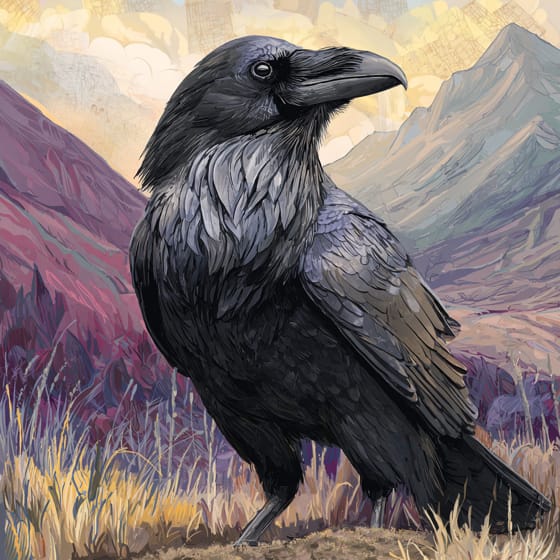
Corvus corax
Eggs and chicks are preyed upon.
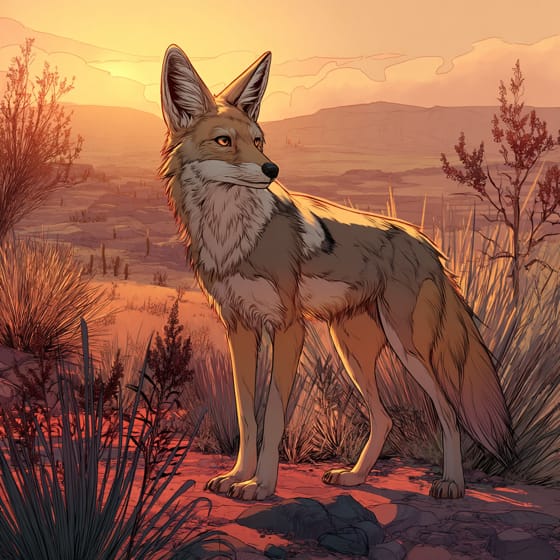
Canis latrans
Ground nests are vulnerable.
Anabrus simplex
A historic and important food source.
Feathered describes animals, primarily birds, possessing a covering of feathers.
Characterized by having toes connected by a membrane, typically aiding in swimming.
Social animals live in organized groups, cooperating for survival benefits such as foraging, defense, and raising offspring.
Piscivorous organisms are animals that primarily subsist on a diet of fish.

This trait characterizes organisms with an exceptionally long lifespan compared to others of their kind.

Coastal habitats are dynamic environments located along the interface between land and sea, influenced by tides, waves, and saltwater.

This trait identifies organisms whose diet consists entirely or primarily of animal tissue.

Diurnal animals are primarily active during daylight hours, typically resting or sleeping at night.

Describes a species whose presence and role have a disproportionately large effect on its environment.

Marine habitats encompass all saltwater environments of the Earth's oceans, supporting an immense diversity of aquatic life.

Migratory animals undertake seasonal movements from one region to another, typically in response to changes in climate or food availability.
No aliases listed yet.
Danger
2/5 · Low
Watch from a distance and don't feed the gulls, as they can get too close!
The easiest way to identify California Gull is to use the Snappit nature identifier app.
46-56 cm
120-140 cm
0.43-1 kg
10-25 years
55 km/h
An opportunistic eater, munching on insects, fish, eggs, and almost any food scraps!
Coastal areas
Zoom in to split clusters and explore where this object has been snapped.
Jun 19, 2026
Palo Alto Baylands Nature PreservePhoto attribution
no rights reserved
License: CC0 1.0 ↗
Image may be shown cropped inside the card frame.

California, US
You might spot Northern Harrier and Black-Tailed Jackrabbit.
View guide →

California, US
You might spot American Avocet, Northern Shoveler, and Black-Necked Stilt.
View guide →

Oregon, US
You might spot Belding's Ground Squirrel and Yellow-Headed Blackbird.
View guide →

California, US
You might spot Brown Pelican, Snowy Plover, and Sanderling.
View guide →

California, US
You might spot Sea Lion, Western Gull, and Anna's Hummingbird.
View guide →

California, US
You might spot Western Gull, Sea Lion, and Great Blue Heron.
View guide →
Take the discovery with you
Snap it with Snappit to identify it, learn what makes it special, and add the discovery to your collection.




.jpg&width=800)







