





Black Flies
Simuliidae
Black flies are tiny insects that love to live near water. They can be a bit annoying because they bite, but they are also important for nature!
Habitat: Wetlands
The Black Flies has a distinctive humped back and short, stout legs. They are typically dark gray to black, with broad, clear wings that feature prominent veins. Their small size often makes them appear as tiny, dark specks.
Category
InsectsRarity
Common
Danger
2/5 · Low
Snaps
Be the first to snap!
Black fly bites inject an anticoagulant, which is why their bites can be so itchy!
Female black flies must drink blood to get enough protein to lay their eggs.
Scientists study black fly larvae to check if rivers are healthy and clean.
Some black flies are called "buffalo gnats" because their humped back looks like a tiny buffalo!
Black Flies can anchor their larvae to rocks in fast-flowing rivers because of a silk pad and hooks on their rear, helping them stay put.
Black Flies' pupae have special gill filaments that help them breathe underwater, allowing them to develop in oxygen-rich streams.
Female Black Flies can locate their blood meal hosts using carbon dioxide and body heat, helping them find animals and humans for a bite.
Larval Black Flies build tiny silk nets to filter food particles from rushing water, helping them catch nutrients in challenging environments.
Adults drink nectar, but females often need blood to lay their eggs!
Age differences: Larvae filter-feed on microscopic organic matter in water; adults consume nectar, but females require blood for egg production.
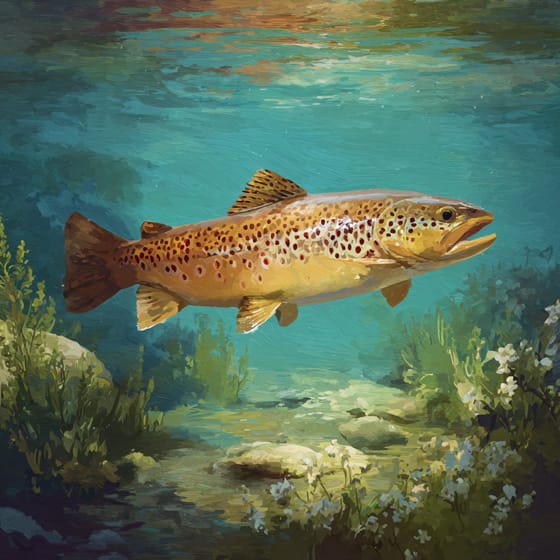
Salmo trutta
Eats black fly larvae in rivers.
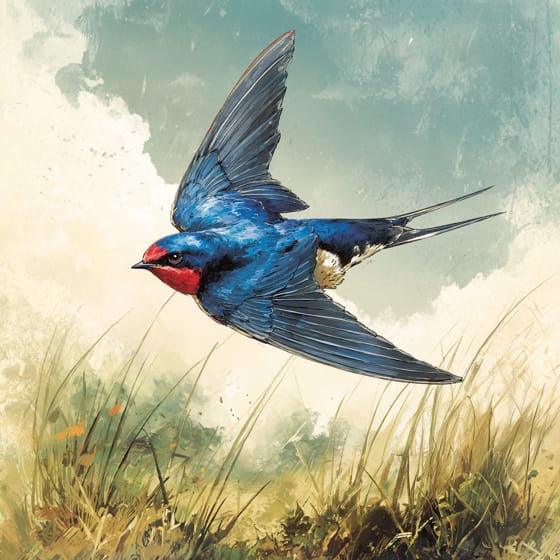
Hirundo rustica
Preys on adult black flies during flight.

Bos taurus
Female black flies bite cattle for blood meals.
Homo sapiens
Female black flies bite humans for blood meals.
Social animals live in organized groups, cooperating for survival benefits such as foraging, defense, and raising offspring.
Filter feeders obtain nutrients by straining suspended food particles and small organisms from water.
This habitat trait identifies species found in wetlands, which are areas of land saturated with water, either permanently or seasonally, including marshes, swamps, and bogs.
This trait identifies organisms whose diet consists entirely or primarily of animal tissue.

Diurnal animals are primarily active during daylight hours, typically resting or sleeping at night.

Freshwater habitats include non-saline aquatic environments such as rivers, lakes, ponds, and wetlands, vital for numerous species.

Describes a species whose presence and role have a disproportionately large effect on its environment.

Pertaining to species that are significantly smaller than typical or average for their kind.

Describes organisms that transfer pollen, enabling the fertilization and reproduction of plants.
No aliases listed yet.
Danger
2/5 · Low
If you see black flies, try not to swat at them. Just move away gently to avoid getting bitten.
The easiest way to identify Black Flies is to use the Snappit nature identifier app.
2-10 mm
1-5 mm
7-30 days
8 km/h
Adults drink nectar, but females often need blood to lay their eggs!
Wetlands
6
Zoom in to split clusters and explore where this object has been snapped.
Recent snaps will appear here as new observations are added.
Take the discovery with you
Snap it with Snappit to identify it, learn what makes it special, and add the discovery to your collection.









.jpg&width=800)



