





Long-winged Conehead
Conocephalus fuscus
The Long-winged Conehead is a special grasshopper with long wings and a funny cone-shaped head! They love to hop around in grassy areas and make chirping sounds, especially in the summer.
Habitat: Grasslands
The Long-winged Conehead is a slender insect, typically bright green, though some can be brownish. It has extremely long, narrow wings that stretch far beyond its abdomen and surprisingly long, thread-like antennae that are often longer than its body.
Category
InsectsRarity
Common
Danger
1/5 · Very low
Snaps
Be the first to snap!
Female Coneheads have a sword-like part to safely lay eggs inside plant stems.
Its antennae can be many times longer than its entire body, like super-long feelers!
Males rub wings, like a violin, making a faint buzzing song to attract mates.
Unlike crickets, these katydids mostly sing during the day, making them daytime musicians!
Long-winged Conehead has a slender, green body that helps them blend perfectly into tall grasses, making them almost impossible to spot.
Long-winged Conehead can rub its wings together to make a high-pitched buzzing song, which helps them find a mate in the dense vegetation.
Long-winged Conehead has strong, muscular hind legs that help them jump quickly and far to escape from hungry predators.
Long-winged Conehead has extremely long antennae that help them feel their surroundings and detect food or danger in the dark.
This insect munches on grass and other plants, helping keep meadows tidy.
Turdus merula
Blackbirds enjoy eating these protein-rich insects found in meadows.
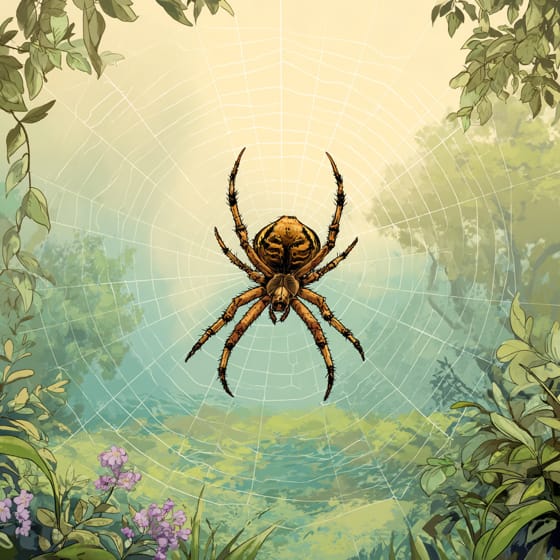
Araneus diadematus
Spiders often trap them in their sticky webs stretched between plants.

Poa pratensis
They munch on bluegrass and other common meadow grasses and sedges.
Festuca rubra
These insects also feed on red fescue, a widespread grass species.
Singing animals produce complex vocalizations, often for purposes of attracting mates, defending territory, or communicating within their species.
Camouflaged describes organisms that possess coloring or patterns that allow them to blend into their environment.
Grassland habitats are terrestrial biomes dominated by grasses and herbaceous plants, supporting a variety of grazing animals.
This trait characterizes organisms whose diet consists entirely or primarily of plant material.

Diurnal animals are primarily active during daylight hours, typically resting or sleeping at night.

Pertaining to species that are significantly smaller than typical or average for their kind.

Describes organisms that transfer pollen, enabling the fertilization and reproduction of plants.
No aliases listed yet.
Danger
1/5 · Very low
It's best to watch insects from a distance and not touch them, as they can be delicate.
The easiest way to identify Long-winged Conehead is to use the Snappit nature identifier app.
20-45 mm
13-22 mm
60-90 days
This insect munches on grass and other plants, helping keep meadows tidy.
Grasslands
Foraging
6
Zoom in to split clusters and explore where this object has been snapped.
Recent snaps will appear here as new observations are added.
Take the discovery with you
Snap it with Snappit to identify it, learn what makes it special, and add the discovery to your collection.






.jpg&width=800)




