





black nightshade
Solanum nigrum
Black nightshade is a plant with small, round black berries and green leaves. It grows in many places and can be found in gardens and fields. Be careful, as not all parts of the plant are safe to eat!
Habitat: Urban areas
The black nightshade is a bushy plant with small, star-shaped white flowers and bright yellow centers. Its distinctive round berries start green, ripening to a glossy black, often appearing in clusters.
Category
PlantsRarity
Common
Danger
3/5 · Moderate
Snaps
1
Its leaves are sometimes eaten as a vegetable, but ONLY if cooked!
Some closely related plants are potatoes and tomatoes!
The 'nightshade' name comes from its dark, ripe berries!
This plant is found on almost every continent in the world!
Black nightshade can produce a compound called solanine that makes its unripe berries bitter and toxic, helping it defend against herbivores.
Black nightshade has dark, ripe berries that attract birds, who eat them and help spread its seeds far and wide, aiding reproduction.
Black nightshade can grow rapidly and thrive in disturbed soils, helping it quickly colonize open ground and outcompete other plants.
Apis mellifera
collects nectar and pollen from its small flowers
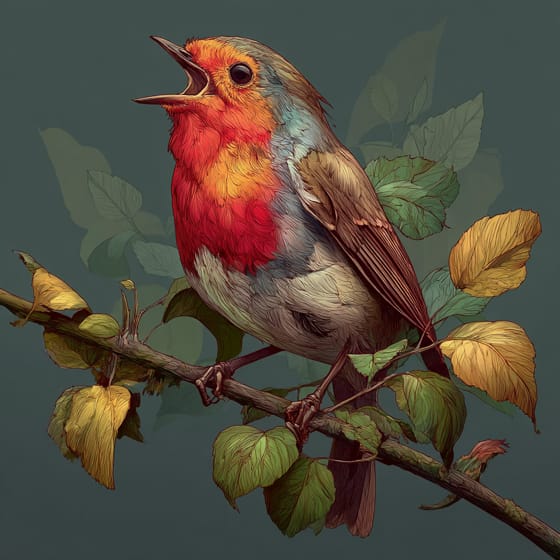
Turdus migratorius
consumes ripe black berries, aiding seed dispersal
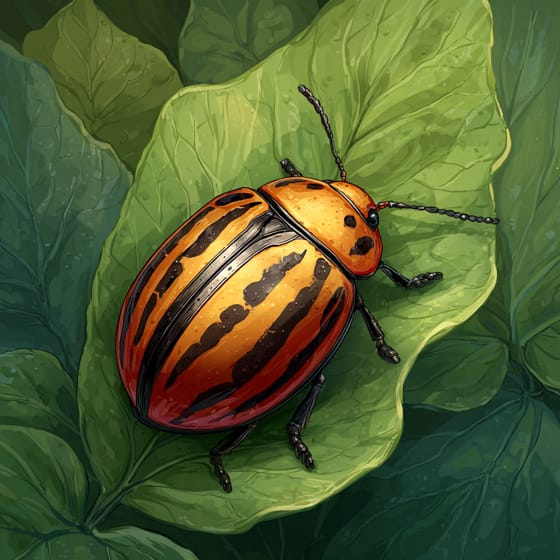
Leptinotarsa decemlineata
may feed on its leaves as it's a host plant
Alternaria solani
can cause leaf spot and blight, affecting plant health
Flowering plants are any plants that produce flowers as part of their reproductive cycle.
Fruit-bearing plants produce fruits, which are the mature ovaries of flowering plants containing seeds.
Medicinal plants possess chemical compounds that can be used for therapeutic purposes to treat illnesses or maintain health.
This human use trait describes species cultivated or domesticated by humans for agricultural purposes, including crops and livestock.

Toxic organisms contain substances that are poisonous and can cause adverse effects upon exposure.

Poisonous organisms produce toxins that can cause harm when ingested, inhaled, or absorbed through contact.

This habitat trait indicates species that can coexist with humans in urban and suburban environments, utilizing man-made structures and green spaces.
Danger
3/5 · Moderate
Do not eat any part of this plant without asking an adult first, as it can be harmful.
The easiest way to identify black nightshade is to use the Snappit nature identifier app.
30-120 cm
0.5-1 cm
Summer-fall
No
Moderate
Annual
Insect
Zoom in to split clusters and explore where this object has been snapped.
Take the discovery with you
Snap it with Snappit to identify it, learn what makes it special, and add the discovery to your collection.









.jpg&width=800)



_001.jpg&width=800)




