





Black snail beetle
Phosphuga atrata
The black snail beetle is a shiny black bug that loves to munch on snails! It has a smooth body and can be found hiding under leaves or logs.
Habitat: Forests
The Black snail beetle has a distinct, elongated, and flattened body that is shiny black, often appearing metallic. Its head and the segment behind it (prothorax) can be a contrasting reddish-orange or brown, making it visually stand out. It has prominent antennae and a somewhat constricted "neck" area.
Category
InsectsRarity
Common
Danger
1/5 · Very low
Snaps
Be the first to snap!
It belongs to a family of beetles famous for cleaning up dead things, but prefers snails!
Its head and "neck" can be a surprising orange-red color, contrasting its shiny black body!
The Black snail beetle's larvae are also hungry snail predators, just like the adults!
This beetle can "play dead" when scared, lying motionless until danger passes!
Black snail beetle can safely eat slippery snails because it has a special waxy coating that prevents snail mucus from sticking to its body.
Black snail beetle can deter predators because it releases a smelly, yellowish fluid from glands when threatened, making it unpleasant to eat.
Black snail beetle has a narrow "neck" and head that helps it push into snail shells, allowing it to reach and devour the soft snail body.
This beetle mostly eats snails, which it can devour thanks to its specialized body.

Cornu aspersum
A primary food source for this beetle.
Turdus merula
Birds often hunt these beetles.
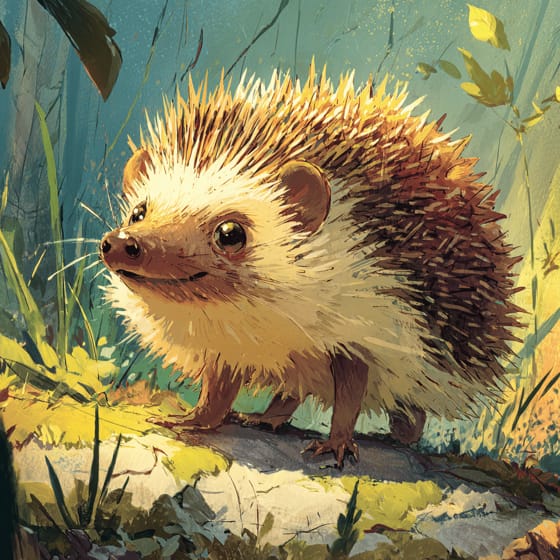
Erinaceus europaeus
Hedgehogs forage for beetles.
Solitary animals live alone for most of their lives, only interacting with others for mating or parental care.
Describes organisms that break down dead organic material, recycling nutrients back into the ecosystem.
Forest habitats are terrestrial environments dominated by dense tree cover, supporting a high diversity of plant and animal life.
This trait identifies organisms whose diet consists entirely or primarily of animal tissue.

Nocturnal animals are primarily active during the nighttime hours, typically resting or sleeping during the day.
No aliases listed yet.
Danger
1/5 · Very low
Always look but don't touch insects unless a grown-up says it's okay.
The easiest way to identify Black snail beetle is to use the Snappit nature identifier app.
20-30 mm
10-15 mm
60-120 days
5-10 km/h
This beetle mostly eats snails, which it can devour thanks to its specialized body.
Forests
Foraging
Zoom in to split clusters and explore where this object has been snapped.
Recent snaps will appear here as new observations are added.
Take the discovery with you
Snap it with Snappit to identify it, learn what makes it special, and add the discovery to your collection.









.jpg&width=800)



