





Spiny Baskettail
Epitheca spinigera
The Spiny Baskettail is a special dragonfly with long, slender wings and a spiny body. It loves to fly around wetlands and is often seen darting over the water.
Habitat: Wetlands
The Spiny Baskettail is a medium-sized dragonfly with a dark, often metallic green or bronze body. Its transparent wings may have a subtle amber tint at the base. Males have distinctive spiny claspers at the end of their abdomen, giving them their unique name.
Category
InsectsRarity
Common
Danger
1/5 · Very low
Snaps
1
Its babies, called nymphs, live underwater for years before they become flying adults!
Male Spiny Baskettails use special 'baskets' on their tail to grab females during mating!
Some adult Spiny Baskettails only live a few weeks, but they make every moment count!
These dragonflies can hover perfectly still in mid-air, like a tiny helicopter!
Spiny Baskettail can catch tiny flying insects mid-air with incredible agility, thanks to its powerful wings and basket-like legs.
Its larvae can breathe underwater and ambush smaller aquatic creatures, using a unique hinged jaw to snatch prey quickly.
Spiny Baskettail has huge compound eyes covering most of its head, giving it nearly 360-degree vision to spot prey and predators.
This swift insect preys on smaller flying insects, while its young hunt underwater.
Age differences: Larvae are aquatic predators, adults hunt flying insects.

Sayornis phoebe
Adult dragonflies are snatched from the air by this bird.
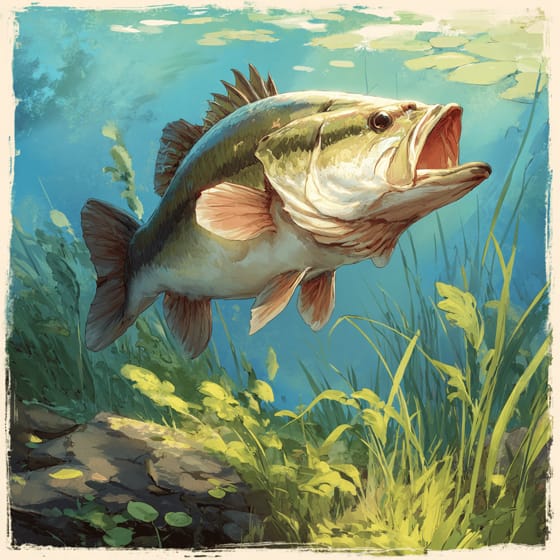
Micropterus salmoides
Fish eat Spiny Baskettail larvae that live in the water.
Aedes aegypti
Adult baskettails are voracious predators of flying mosquitoes.
Aerial creatures spend a significant portion of their lives airborne, utilizing flight for various activities such as hunting, migration, or nesting.
This trait identifies organisms whose diet primarily consists of insects and other small invertebrates.
Possessing sharp, pointed projections or spines on the body or surface.
This habitat trait identifies species found in wetlands, which are areas of land saturated with water, either permanently or seasonally, including marshes, swamps, and bogs.

Diurnal animals are primarily active during daylight hours, typically resting or sleeping at night.

This trait identifies organisms that exhibit exceptional swiftness in movement for hunting, escape, or travel.

Describes organisms that transfer pollen, enabling the fertilization and reproduction of plants.
No aliases listed yet.
Danger
1/5 · Very low
Dragonflies are harmless and fun to watch, but it's best to observe them from a distance.
The easiest way to identify Spiny Baskettail is to use the Snappit nature identifier app.
60-80 mm
40-50 mm
14-45 days
40 km/h
This swift insect preys on smaller flying insects, while its young hunt underwater.
Wetlands
Pursuit
Zoom in to split clusters and explore where this object has been snapped.
Take the discovery with you
Snap it with Snappit to identify it, learn what makes it special, and add the discovery to your collection.









.jpg&width=800)




