_female_Belgium.jpg&width=800)





Black-tailed Skimmer
Orthetrum cancellatum
The Black-tailed Skimmer is a beautiful dragonfly with a black tip on its tail. It loves to fly over ponds and lakes, showing off its bright colors and graceful movements.
Habitat: Wetlands
The Black-tailed Skimmer has a robust body. Adult males are striking with a powdery pale blue abdomen and a distinct black tip, while females and immature males are yellowish-brown with a dark stripe. All have clear wings with a dark spot near the tip.
Category
InsectsRarity
Common
Danger
1/5 · Very low
Snaps
Be the first to snap!
Black-tailed Skimmers are like natural bug zappers, helping to control mosquito populations!
Dragonfly larvae can live for several years underwater, shedding their skin many times as they grow.
These ancient insects have been flying for over 300 million years, even before dinosaurs!
They form a 'mating wheel' in the air, a special shape to lay their eggs safely in the water.
Black-tailed Skimmer has huge compound eyes that help them spot tiny flying insects from far away, even behind them.
Black-tailed Skimmer can fly forwards, backwards, and hover because of their powerful, independently moving wings, making them super agile hunters.
Black-tailed Skimmer larvae can breathe underwater and have a unique extendable jaw that helps them ambush other small aquatic creatures.
Agile hunters of small flying insects, both as aquatic larvae and aerial adults.
Age differences: Larvae hunt underwater, ambushing aquatic invertebrates, while adults are aerial predators of flying insects.
Alcedo atthis
Kingfishers are fast birds that can catch adult dragonflies.
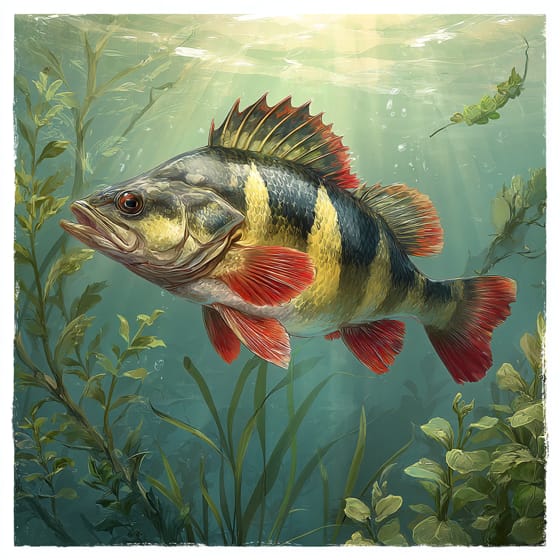
Perca fluviatilis
Fish in ponds often feast on young dragonfly larvae.
Culex pipiens
Black-tailed Skimmers are expert hunters of mosquito adults.
Rana temporaria
Frogs are opportunistic predators that will eat adult skimmers.
Aerial creatures spend a significant portion of their lives airborne, utilizing flight for various activities such as hunting, migration, or nesting.
Colorful describes organisms or objects displaying a wide range of bright and distinct colors.
This trait identifies organisms whose diet primarily consists of insects and other small invertebrates.
This habitat trait identifies species found in wetlands, which are areas of land saturated with water, either permanently or seasonally, including marshes, swamps, and bogs.

Diurnal animals are primarily active during daylight hours, typically resting or sleeping at night.

This trait identifies organisms that exhibit exceptional swiftness in movement for hunting, escape, or travel.

Aquatic habitats encompass environments where organisms live predominantly in water, including oceans, rivers, lakes, and wetlands.

Describes organisms that transfer pollen, enabling the fertilization and reproduction of plants.
Danger
1/5 · Very low
Dragonflies are harmless and fun to watch, but it's best to look without touching.
The easiest way to identify Black-tailed Skimmer is to use the Snappit nature identifier app.
70-80 mm
44-50 mm
30-60 days
30-60 km/h
Agile hunters of small flying insects, both as aquatic larvae and aerial adults.
Wetlands
Pursuit
Zoom in to split clusters and explore where this object has been snapped.
Recent snaps will appear here as new observations are added.
Take the discovery with you
Snap it with Snappit to identify it, learn what makes it special, and add the discovery to your collection.








.jpg&width=800)



