





Brown-winged Striped Sweat Bee
Agapostemon splendens
The Brown-winged Striped Sweat Bee is a small, shiny bee with beautiful brown wings. They love to visit flowers and help plants grow by spreading pollen.
Habitat: Urban areas, gardens
The Brown-winged Striped Sweat Bee is a medium-sized bee with a brilliant metallic green head and thorax. Its abdomen is distinctly striped with black and pale yellow bands. Unlike some relatives, its wings are noticeably tinted light brown, giving it a unique appearance.
Category
InsectsRarity
Common
Danger
1/5 · Very low
Snaps
1
Some female sweat bees share a nest entrance, but raise their young alone.
Their shimmering green bodies can change color slightly in different light!
They like to dig their nests in the ground, often in sunny, open soil.
This bee helps many plants make seeds, even though it's not a honeybee!
Brown-winged Striped Sweat Bee has dazzling iridescent green armor that helps them blend into leafy surroundings.
Brown-winged Striped Sweat Bee can carry loads of pollen because of special hairs on its legs, aiding flower pollination.
Brown-winged Striped Sweat Bee has sensors that help them find sweat on skin, which provides them with vital salts.
This busy bee sips nectar for energy and collects pollen to feed its young!
Age differences: Larvae eat a special mix of pollen and nectar collected by the adult bee.
Rudbeckia hirta
Visits and pollinates these cheerful yellow wildflowers.
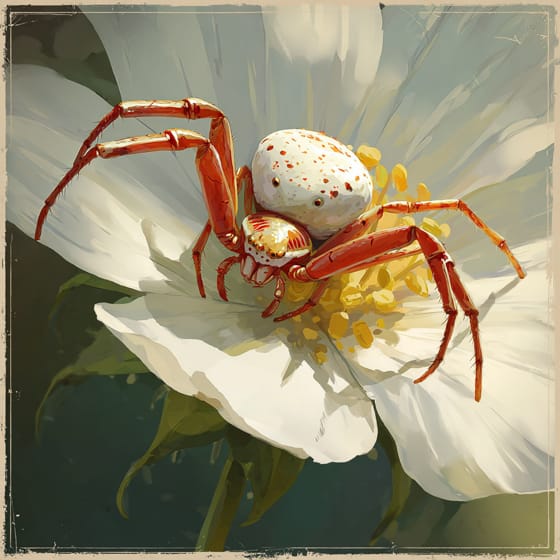
Misumena vatia
Can be ambushed by this camouflaged spider on flowers.
Nomada articulata
Female lays eggs in the sweat bee's ground nest.
Furry describes animals possessing a dense covering of soft hair or fur.
Marked with parallel bands or lines of color.
Social animals live in organized groups, cooperating for survival benefits such as foraging, defense, and raising offspring.
This trait characterizes organisms whose diet consists entirely or primarily of plant material.

Describes plants that are particularly attractive and beneficial to a wide range of pollinating organisms.

Diurnal animals are primarily active during daylight hours, typically resting or sleeping at night.

Describes a species whose presence and role have a disproportionately large effect on its environment.

This habitat trait indicates species that can coexist with humans in urban and suburban environments, utilizing man-made structures and green spaces.

Describes organisms that transfer pollen, enabling the fertilization and reproduction of plants.
No aliases listed yet.
Danger
1/5 · Very low
Bees are usually friendly, but it's best to stay calm and not swat at them.
The easiest way to identify Brown-winged Striped Sweat Bee is to use the Snappit nature identifier app.
10-20 mm
7-12 mm
30-60 days
20 km/h
This busy bee sips nectar for energy and collects pollen to feed its young!
Urban areas, gardens
Foraging
Zoom in to split clusters and explore where this object has been snapped.
Take the discovery with you
Snap it with Snappit to identify it, learn what makes it special, and add the discovery to your collection.







.jpg&width=800)



