





buckeyes and horse-chestnuts
Aesculus
Buckeyes and horse-chestnuts are trees that grow big and strong. They have beautiful leaves and produce shiny nuts that look like little brown balls. These trees are fun to see in parks and forests!
Habitat: Forests
The buckeyes and horse-chestnuts has large, palmate leaves usually with 5-7 leaflets, and showy upright clusters of white, yellow, or pinkish flowers. Their shiny, leathery seeds (nuts) are encased in spiky or smooth husks, distinguishing them from other trees.
Category
PlantsRarity
Common
Danger
2/5 · Low
Snaps
Be the first to snap!
Horse-chestnut flowers start white, then get yellow or red spots!
Ohio is called the "Buckeye State" because of these amazing trees!
People once ground buckeye nuts to create a mild, natural soap!
Some buckeye nuts have a "scar" that looks exactly like an animal's eye!
Buckeyes and horse-chestnuts produce toxic chemicals in all parts that protect them from hungry animals.
Their tall, showy flower clusters act like bright signals, attracting bees and other insects to help with pollination.
Buckeyes and horse-chestnuts have large, hand-shaped leaves that efficiently capture sunlight to make food.
Apis mellifera
collects nectar and pollen
Cameraria ohridella
larvae feed on the leaves
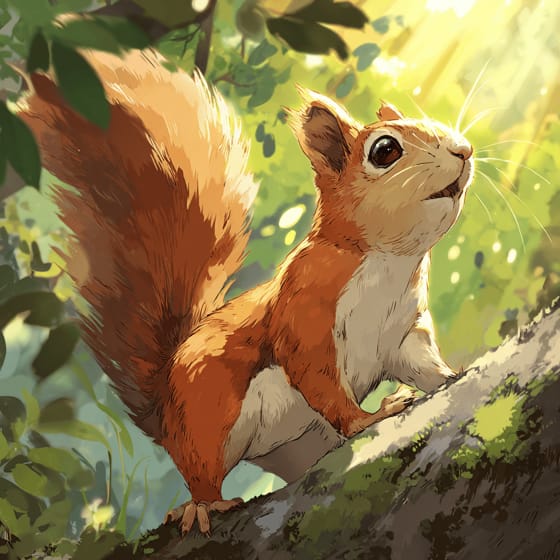
Sciurus carolinensis
buries and forgets seeds
Guignardia aesculi
causes leaf blotch disease
Deciduous plants periodically shed all their leaves, typically during autumn or dry seasons.
Flowering plants are any plants that produce flowers as part of their reproductive cycle.
Broadleaf trees are angiosperms characterized by flat, wide leaves that are typically shed annually in temperate climates.
Nut bearing plants produce hard-shelled fruits, commonly known as nuts, which contain a single seed and are a valuable food source.

Rapid growing plants exhibit accelerated growth rates, quickly increasing in size and biomass within a short period.

Forest habitats are terrestrial environments dominated by dense tree cover, supporting a high diversity of plant and animal life.
No aliases listed yet.
Danger
2/5 · Low
Do not eat the nuts from these trees, as they can make you sick.
The easiest way to identify buckeyes and horse-chestnuts is to use the Snappit nature identifier app.
1500-3900 cm
1000-2000 cm
1-3 cm
Spring to early summer
No
High
Perennial
Zoom in to split clusters and explore where this object has been snapped.
Recent snaps will appear here as new observations are added.
Take the discovery with you
Snap it with Snappit to identify it, learn what makes it special, and add the discovery to your collection.






.jpg&width=800)


_001.jpg&width=800)




