





Budorcas Taxicolor
budorcas taxicolor
The Budorcas Taxicolor, also known as the takin, is a big, furry animal that looks like a mix between a goat and a cow! They love to roam the steep mountains and eat lots of grass and leaves.
Habitat: They live in the mountainous regions of the Himalayas.
The Budorcas Taxicolor is a large, sturdy mammal with a shaggy, golden-yellow to reddish-brown coat. It has a distinctive 'Roman' nose and a hump on its shoulders. Both males and females possess short, robust, ringed horns that curve upwards.
Category
MammalsRarity
Common
Danger
1/5 · Very low
Snaps
Be the first to snap!
Takin calves are born with a distinct dark stripe running down their back.
Takins have unique facial fur that protects them from harsh mountain winds.
Their unique 'moo-like' call can sound surprisingly similar to a cow in the mountains!
They can climb incredibly high, up to 14,000 feet in the Himalayas!
Budorcas Taxicolor has specialized hooves with two toes and a dewclaw that help them grip steep, icy mountain slopes.
Budorcas Taxicolor has a thick, oily coat that repels water and keeps them warm in cold, snowy environments.
Budorcas Taxicolor can produce a strong, musky odor that helps them communicate and deter predators.
These mountain grazers munch on a variety of plants, leaves, and bamboo shoots found in their high-altitude homes.
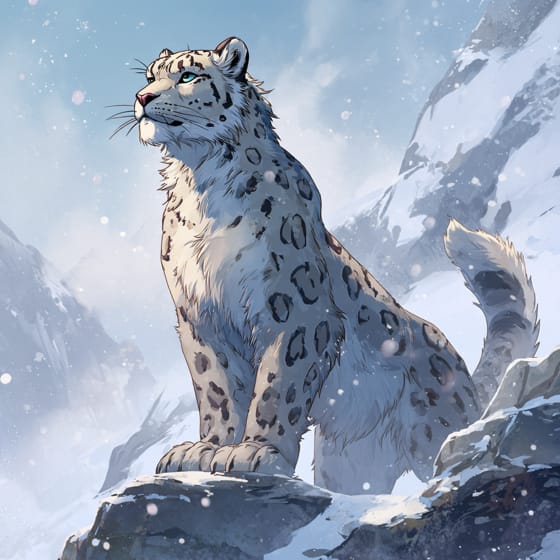
Panthera uncia
Major predator, especially for young or weakened takins.
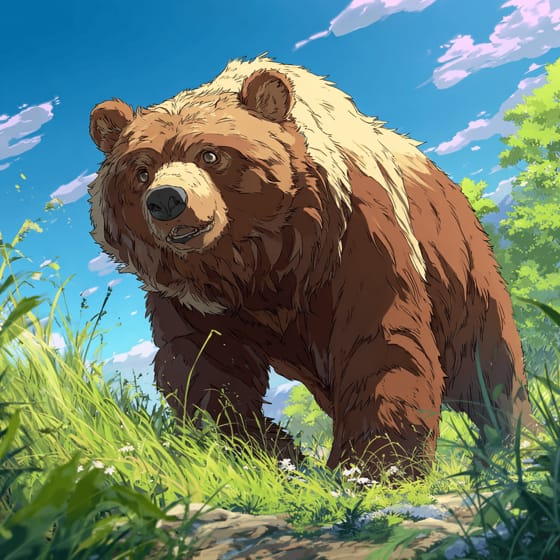
Ursus arctos
Occasionally preys on takins, especially during resource-scarce periods.
Fargesia spathacea
Commonly browses on this bamboo species in its habitat.
Betula utilis
Feeds on the leaves and bark of this common mountain tree.
Furry describes animals possessing a dense covering of soft hair or fur.
Social animals live in organized groups, cooperating for survival benefits such as foraging, defense, and raising offspring.
This trait characterizes organisms whose diet consists entirely or primarily of plant material.
Forest habitats are terrestrial environments dominated by dense tree cover, supporting a high diversity of plant and animal life.

Endangered status indicates a species is at a very high risk of extinction in the wild in the near future.
Danger
1/5 · Very low
Stay at a safe distance and do not approach wild animals.
The easiest way to identify Budorcas Taxicolor is to use the Snappit nature identifier app.
160-220 cm
250-400 kg
12-18 years
40 km/h
These mountain grazers munch on a variety of plants, leaves, and bamboo shoots found in their high-altitude homes.
They live in the mountainous regions of the Himalayas.
Foraging
Zoom in to split clusters and explore where this object has been snapped.
Recent snaps will appear here as new observations are added.
Take the discovery with you
Snap it with Snappit to identify it, learn what makes it special, and add the discovery to your collection.




.jpg&width=800)


.JPG&width=800)


.jpg&width=800)
