





Olive Baboon
Papio anubis
Olive Baboons are playful monkeys that love to live in groups. They have long faces and can often be seen grooming each other or playing in the trees.
Habitat: Savannas
The Olive Baboon has greenish-grey fur, often appearing olive-brown in sunlight, with a prominent dog-like muzzle. Males feature a distinct thick mane around their face and shoulders, differentiating them from other baboon species.
Category
MammalsRarity
Common
Danger
3/5 · Moderate
Snaps
Be the first to snap!
Baboons communicate using at least 10 different calls, plus many facial expressions.
Male Olive Baboons have long, sharp canine teeth that can be over two inches long!
They often sleep high in trees or on cliffs to stay safe from predators at night!
Young baboons play games like 'tag' and 'king of the hill' just like human kids!
Olive Baboon has keen eyesight and hearing that helps them spot predators or food from a distance.
Olive Baboon can eat many different foods, from tough roots to small animals, because of their strong jaws and teeth.
Olive Baboon can live in large social groups that helps them find food and defend against danger together.
These baboons are expert foragers, eating almost anything they find, from tasty fruits to tiny insects!
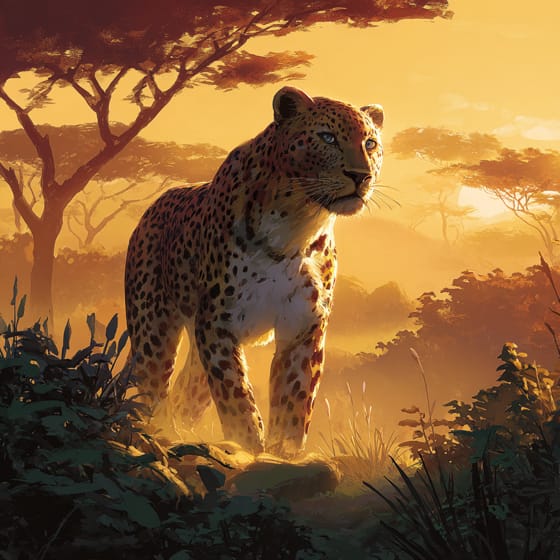
Panthera pardus
Leopards are a primary predator of baboons.
Panthera leo
Lions will prey on baboons if given the chance.
Acacia tortilis
Baboons eat the pods and seeds of acacia trees.
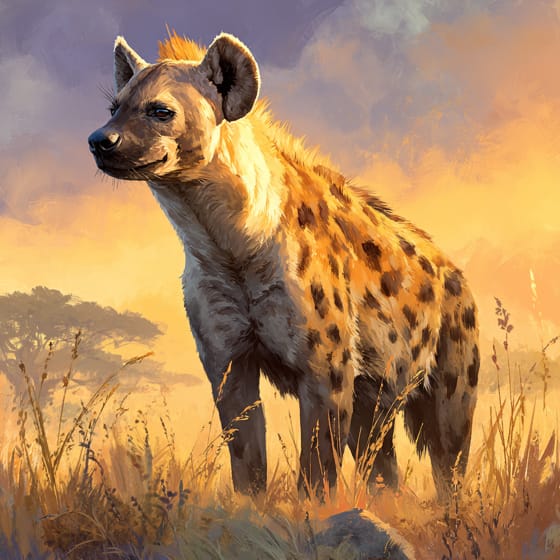
Crocuta crocuta
Hyenas can prey on baboons, especially young or weak ones.
Furry describes animals possessing a dense covering of soft hair or fur.
Social animals live in organized groups, cooperating for survival benefits such as foraging, defense, and raising offspring.
This trait identifies organisms whose diet includes both plant and animal matter.
This trait describes organisms that manipulate external objects to achieve a specific goal.
This habitat trait denotes species native to savannas, which are grasslands with scattered trees, typically found in tropical or subtropical regions with distinct wet and dry seasons.

Diurnal animals are primarily active during daylight hours, typically resting or sleeping at night.

This trait identifies organisms that exhibit exceptional swiftness in movement for hunting, escape, or travel.
Danger
3/5 · Moderate
Always watch from a distance and never try to feed wild animals.
The easiest way to identify Olive Baboon is to use the Snappit nature identifier app.
50-85 cm
10-37 kg
20-30 years
55 km/h
These baboons are expert foragers, eating almost anything they find, from tasty fruits to tiny insects!
Savannas
Foraging
Zoom in to split clusters and explore where this object has been snapped.
Recent snaps will appear here as new observations are added.

New Jersey, US
You might spot African Elephant, White Rhinoceros, and Grant's Zebra.
View guide →

Spain, ES
You might spot African Elephant, Brown Bear, and Gorilla.
View guide →
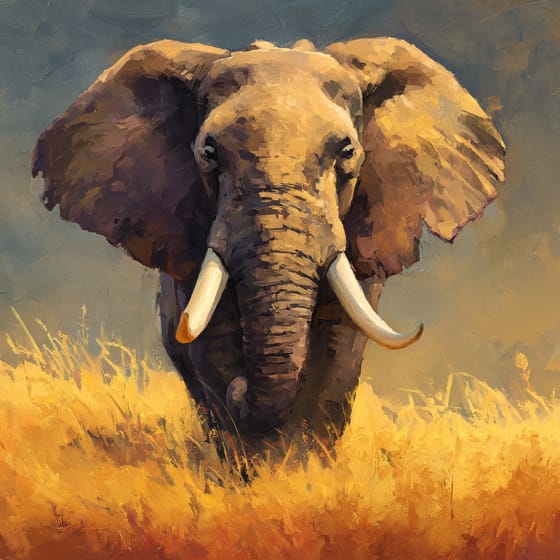
New Jersey, US
You might spot African Elephant and White Rhinoceros.
View guide →
Take the discovery with you
Snap it with Snappit to identify it, learn what makes it special, and add the discovery to your collection.




.jpg&width=800)


.JPG&width=800)



.jpg&width=800)
