





Bush Hyrax
Heterohyrax brucei
Bush hyraxes are small, furry animals that look a bit like fluffy rabbits. They love to climb and can often be found resting on rocks in the sun, making them fun to spot!
Habitat: Rocky areas
The Bush Hyrax is a small, stout mammal with dense, greyish-brown fur that is lighter on its belly. It has small, rounded ears and a very short, almost invisible tail. A unique feature is a distinct lighter patch of fur on its back where a scent gland is located, distinguishing it from similar species.
Category
MammalsRarity
Common
Danger
1/5 · Very low
Snaps
Be the first to snap!
Believe it or not, hyraxes are elephants' closest living relatives, despite their size!
Bush Hyraxes can make more than 18 different sounds to talk to each other!
Bush Hyraxes often huddle in huge groups of up to 80 animals to stay warm.
Their big front teeth grow continuously, just like a rodent's, but they aren't rodents!
Bush Hyrax can climb smooth, steep rocks easily because of special rubbery pads on its feet that create suction, helping them grip.
Bush Hyrax can sunbathe and huddle together to manage body temperature because they don't regulate it well internally, which helps them stay warm or cool.
Bush Hyrax has sharp incisor teeth that grow continuously because they are used for stripping tough plant material, which helps them access food.
These furry rock dwellers munch on leaves, grass, fruits, and even tree bark to get their energy.
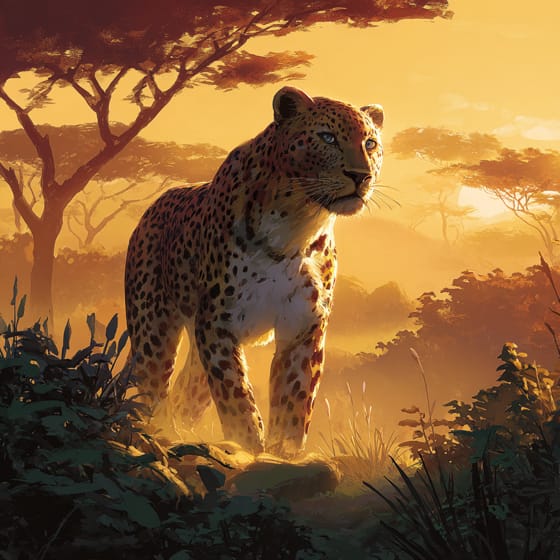
Panthera pardus
A major predator, hunting hyraxes amongst rocks and trees.
Aquila verreauxii
These powerful eagles snatch hyraxes from high above.
Python sebae
Large snakes ambush hyraxes, constricting them for food.
Furry describes animals possessing a dense covering of soft hair or fur.
Climbing or vine plants are characterized by a growth habit that allows them to ascend upwards by twining, tendrils, or adhesive roots.
Social animals live in organized groups, cooperating for survival benefits such as foraging, defense, and raising offspring.
This trait characterizes organisms whose diet consists entirely or primarily of plant material.

Diurnal animals are primarily active during daylight hours, typically resting or sleeping at night.
No aliases listed yet.
Danger
1/5 · Very low
Always watch from a distance and don't try to touch wild animals.
The easiest way to identify Bush Hyrax is to use the Snappit nature identifier app.
30-38 cm
2-4 kg
8-10 years
20 km/h
These furry rock dwellers munch on leaves, grass, fruits, and even tree bark to get their energy.
Rocky areas
Foraging
Zoom in to split clusters and explore where this object has been snapped.
Recent snaps will appear here as new observations are added.
Take the discovery with you
Snap it with Snappit to identify it, learn what makes it special, and add the discovery to your collection.




.jpg&width=800)


.JPG&width=800)


.jpg&width=800)
