





Red-backed Voles
Clethrionomys
Red-backed voles are small, furry animals with a reddish-brown stripe down their backs. They love to scurry around in the grass and are great at hiding from predators!
Habitat: Grasslands
The Red-backed Vole has a distinctive reddish-brown stripe running down its back, contrasting with grayish-brown sides and a pale belly. It features small, rounded ears partially hidden by fur and a relatively short, hairy tail. This striking back color makes it visually different from many other voles.
Category
MammalsRarity
Common
Danger
1/5 · Very low
Snaps
Be the first to snap!
Red-backed voles "bark" tiny warnings to alert family to danger.
Their teeth never stop growing, worn down by chewing tough plants.
These busy rodents stay active and forage even under deep snow.
They sometimes use old mole tunnels as ready-made highways!
Red-backed Voles can dig intricate tunnel systems because they have strong claws and an instinct that helps them create safe homes and food caches.
Red-backed Voles has a super-sensitive nose that helps them sniff out tasty mushrooms hidden under leaves, even underground!
Red-backed Voles can gather and store food in underground pantries because they need supplies that help them survive the cold winter months.
Red-backed Voles can climb trees and shrubs with surprising agility that helps them find berries and escape ground predators.
These small omnivores enjoy a varied diet of plants, seeds, fruits, fungi, and occasionally insects.
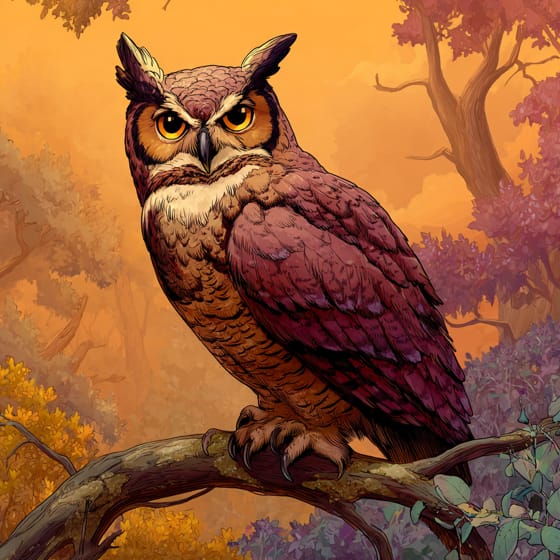
Bubo virginianus
A common nocturnal predator of small rodents.
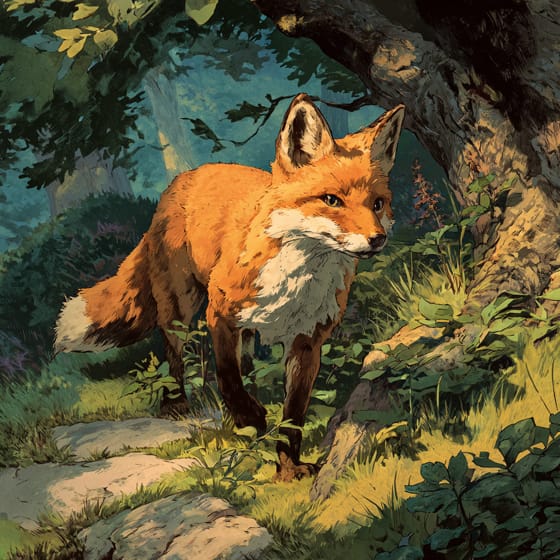
Vulpes vulpes
A primary predator, hunting voles by scent.
Mustela nivalis
Can enter vole tunnels to hunt them.
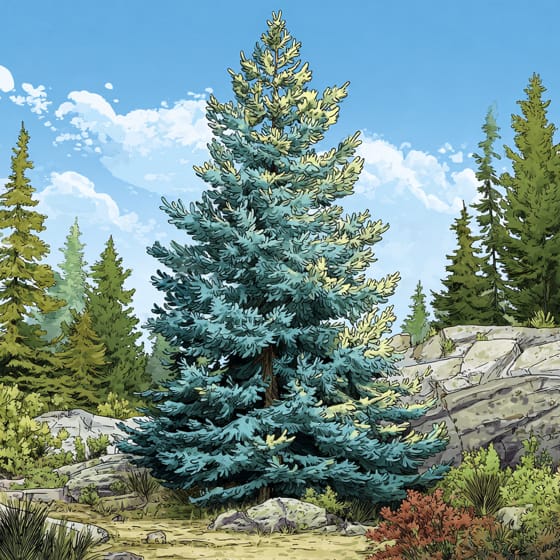
Picea glauca
Feeds on fallen seeds, especially in winter.
Boletus edulis
Forages for various fungi, including specific boletes.
Furry describes animals possessing a dense covering of soft hair or fur.
Social animals live in organized groups, cooperating for survival benefits such as foraging, defense, and raising offspring.
Solitary animals live alone for most of their lives, only interacting with others for mating or parental care.
Camouflaged describes organisms that possess coloring or patterns that allow them to blend into their environment.

Grassland habitats are terrestrial biomes dominated by grasses and herbaceous plants, supporting a variety of grazing animals.

This trait characterizes organisms whose diet consists entirely or primarily of plant material.

This trait identifies organisms that exhibit exceptional swiftness in movement for hunting, escape, or travel.
No aliases listed yet.
Danger
1/5 · Very low
If you see a vole, watch quietly and don't try to touch it. They are wild animals and need their space.
The easiest way to identify Red-backed Voles is to use the Snappit nature identifier app.
11-19 cm
0.02-0.05 kg
1-2 years
15 km/h
These small omnivores enjoy a varied diet of plants, seeds, fruits, fungi, and occasionally insects.
Grasslands
Foraging
Zoom in to split clusters and explore where this object has been snapped.
Recent snaps will appear here as new observations are added.
Take the discovery with you
Snap it with Snappit to identify it, learn what makes it special, and add the discovery to your collection.




.jpg&width=800)


.JPG&width=800)

.jpg&width=800)
