.jpg&width=800)





Cactus chimney bees
Diadasia australis
Cactus chimney bees are small, fuzzy bees that love to visit flowers. They are great pollinators and help plants grow by spreading pollen. These bees make their homes in special tubes in the ground.
Habitat: Desert
The Cactus chimney bee has a fuzzy, stout body, typically greyish-tan with lighter, thin bands across its abdomen. It possesses large, dark eyes and dense, specialized hairs on its hind legs for pollen collection.
Category
InsectsRarity
Common
Danger
1/5 · Very low
Snaps
Be the first to snap!
Baby cactus bees grow up eating a special "bee bread" their mommies make!
Female bees often dig their individual nests very close, creating "bee towns"!
These super picky bees only eat pollen and nectar from cacti!
They're called "chimney bees" because some build turret-like nest entrances!
Cactus chimney bees have specialized, dense hairs on their hind legs that help them efficiently scoop and carry sticky cactus pollen.
Cactus chimney bees can dig intricate underground burrows to create safe, individual nurseries for their developing young.
Cactus chimney bees can vibrate their flight muscles to shake stubborn pollen loose from certain flowers that hide it away.
They sip sweet nectar and gather protein-rich pollen exclusively from desert cacti.
Age differences: Larvae consume 'bee bread' (pollen and nectar paste), while adults feed on liquid nectar and pollen.
Opuntia phaeacantha
Helps this cactus produce fruits and seeds.
Echinocereus engelmannii
Crucial for the reproduction of this desert cactus.
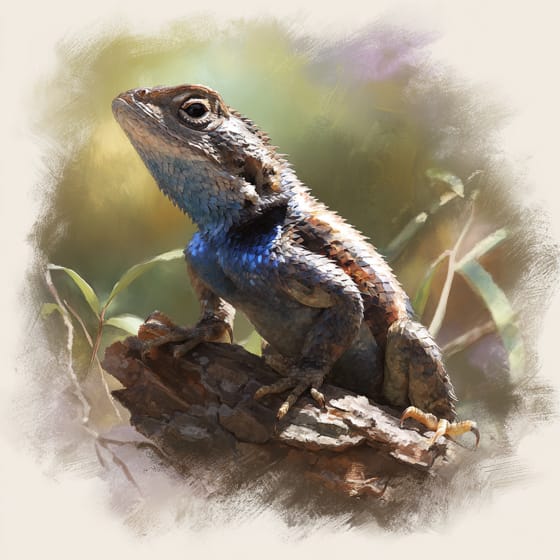
Sceloporus undulatus
Lizards sometimes prey on foraging bees near flowers.

Carnegiea gigantea
Requires cactus species for its specialized pollen and nectar diet.
Furry describes animals possessing a dense covering of soft hair or fur.
Social animals live in organized groups, cooperating for survival benefits such as foraging, defense, and raising offspring.
This trait characterizes organisms whose diet consists entirely or primarily of plant material.
Describes plants that are particularly attractive and beneficial to a wide range of pollinating organisms.

Desert habitats are arid regions characterized by extremely low precipitation and often extreme temperatures, supporting specialized flora and fauna.

Diurnal animals are primarily active during daylight hours, typically resting or sleeping at night.

Describes a species whose presence and role have a disproportionately large effect on its environment.

Describes organisms that transfer pollen, enabling the fertilization and reproduction of plants.
No aliases listed yet.
Danger
1/5 · Very low
Be gentle and watch from a distance when you see bees. They are busy working!
The easiest way to identify Cactus chimney bees is to use the Snappit nature identifier app.
20-30 mm
10-15 mm
20-40 days
15-25 km/h
They sip sweet nectar and gather protein-rich pollen exclusively from desert cacti.
Desert
Foraging
Zoom in to split clusters and explore where this object has been snapped.
Recent snaps will appear here as new observations are added.
Take the discovery with you
Snap it with Snappit to identify it, learn what makes it special, and add the discovery to your collection.






.jpg&width=800)



