





Caddisflies
Trichoptera
Caddisflies are small, fuzzy insects that love to live near water. They make cozy little homes out of twigs and pebbles, which they carry around as they swim.
Habitat: Wetlands
The Caddisflies has two pairs of tent-like wings often covered in tiny hairs, giving them a fuzzy, drab appearance. They are typically brown, grey, or black, resembling small moths. Their long, slender antennae extend forward, often longer than their bodies.
Category
InsectsRarity
Common
Danger
1/5 · Very low
Snaps
Be the first to snap!
Caddisfly larvae can weave amazing underwater homes from pebbles, twigs, and even tiny shells!
Many adult caddisflies have wings covered in tiny hairs, making them look fuzzy, like moths!
Some species build silk nets underwater to catch their food, just like a spider's web!
Unlike most insects, some caddisfly larvae use gills to breathe underwater, like tiny fish!
Caddisflies can build unique protective cases from pebbles, sand, or twigs using silk to glue them together.
Caddisflies can produce silk underwater, used for building cases, nets for catching food, or attaching to surfaces.
Caddisflies are sensitive to pollution, helping scientists assess the health of rivers and streams.
Caddisfly larvae mostly munch on tiny plants and decaying bits, helping clean aquatic environments.
Age differences: Adults typically do not feed, focusing solely on reproduction.
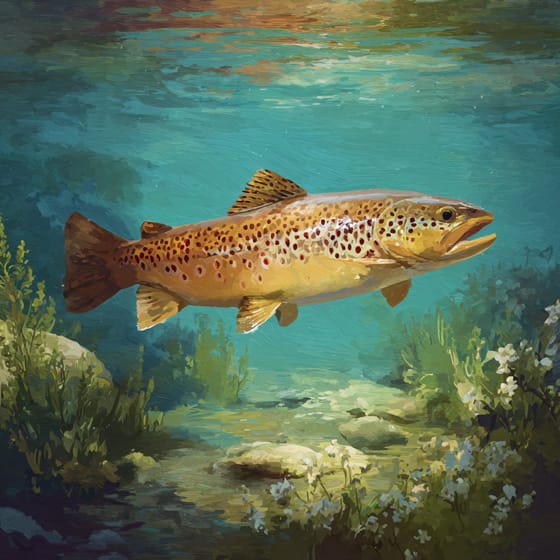
Salmo trutta
A favorite food for many freshwater fish.
Cinclus cinclus
River birds hunt larvae and adults.
Cladophora glomerata
Larvae graze on riverbed algae.
Furry describes animals possessing a dense covering of soft hair or fur.
Solitary animals live alone for most of their lives, only interacting with others for mating or parental care.
Filter feeders obtain nutrients by straining suspended food particles and small organisms from water.
This trait characterizes organisms whose diet consists entirely or primarily of plant material.

Describes organisms that break down dead organic material, recycling nutrients back into the ecosystem.

This habitat trait identifies species found in wetlands, which are areas of land saturated with water, either permanently or seasonally, including marshes, swamps, and bogs.

Diurnal animals are primarily active during daylight hours, typically resting or sleeping at night.

Freshwater habitats include non-saline aquatic environments such as rivers, lakes, ponds, and wetlands, vital for numerous species.

Describes a species whose presence and role have a disproportionately large effect on its environment.

Pertaining to organisms that emit light through bioluminescence or fluorescence.

Describes organisms that transfer pollen, enabling the fertilization and reproduction of plants.
No aliases listed yet.
Danger
1/5 · Very low
Always wash your hands after playing near water to stay clean and safe.
The easiest way to identify Caddisflies is to use the Snappit nature identifier app.
10-50 mm
5-30 mm
30-365 days
Caddisfly larvae mostly munch on tiny plants and decaying bits, helping clean aquatic environments.
Wetlands
Foraging
6
Zoom in to split clusters and explore where this object has been snapped.
Recent snaps will appear here as new observations are added.
Take the discovery with you
Snap it with Snappit to identify it, learn what makes it special, and add the discovery to your collection.






.jpg&width=800)



