





Garita Skipperling
Oarisma garita
The Garita Skipperling is a small butterfly with beautiful brown wings. It loves to flutter around flowers and is often seen in sunny spots. These butterflies are fun to watch as they zip through the air!
Habitat: Grasslands
The Garita Skipperling is a small, delicate butterfly with mostly orange-brown wings on top. Its most distinguishing feature is the bright white underside of its hindwings, clearly marked with white veins, setting it apart from other similar skippers.
Category
InsectsRarity
Common
Danger
1/5 · Very low
Snaps
Be the first to snap!
Adult Garita Skipperlings live only about two weeks, making their brief lives super busy!
Even though they are butterflies, their thick bodies often make them look like moths!
Their caterpillar forms munch on grass, transforming plants into energy for nature!
Unlike true butterflies, skipperlings have tiny hooks at the end of their antennae!
Garita Skipperlings can fly with rapid, erratic movements that help them evade predators like birds.
Garita Skipperlings have a long, coiled proboscis that helps them sip nectar from deep flowers.
Garita Skipperlings have a mottled white and brown underside that helps them blend into dry grass.
Adults sip nectar from wildflowers; caterpillars munch on various grasses.
Age differences: Larvae feed on grass leaves; adults primarily drink flower nectar.

Sialia currucoides
A common bird predator in its habitat.
Cirsium arvense
Visits thistle flowers for their sweet nectar.

Medicago sativa
Helps pollinate alfalfa, a common forage crop.
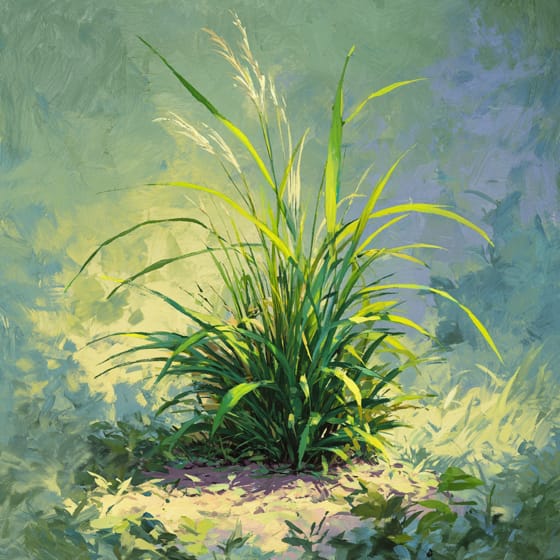
Poa pratensis
Caterpillars feed on leaves of various grass species.
Aerial creatures spend a significant portion of their lives airborne, utilizing flight for various activities such as hunting, migration, or nesting.
Colorful describes organisms or objects displaying a wide range of bright and distinct colors.
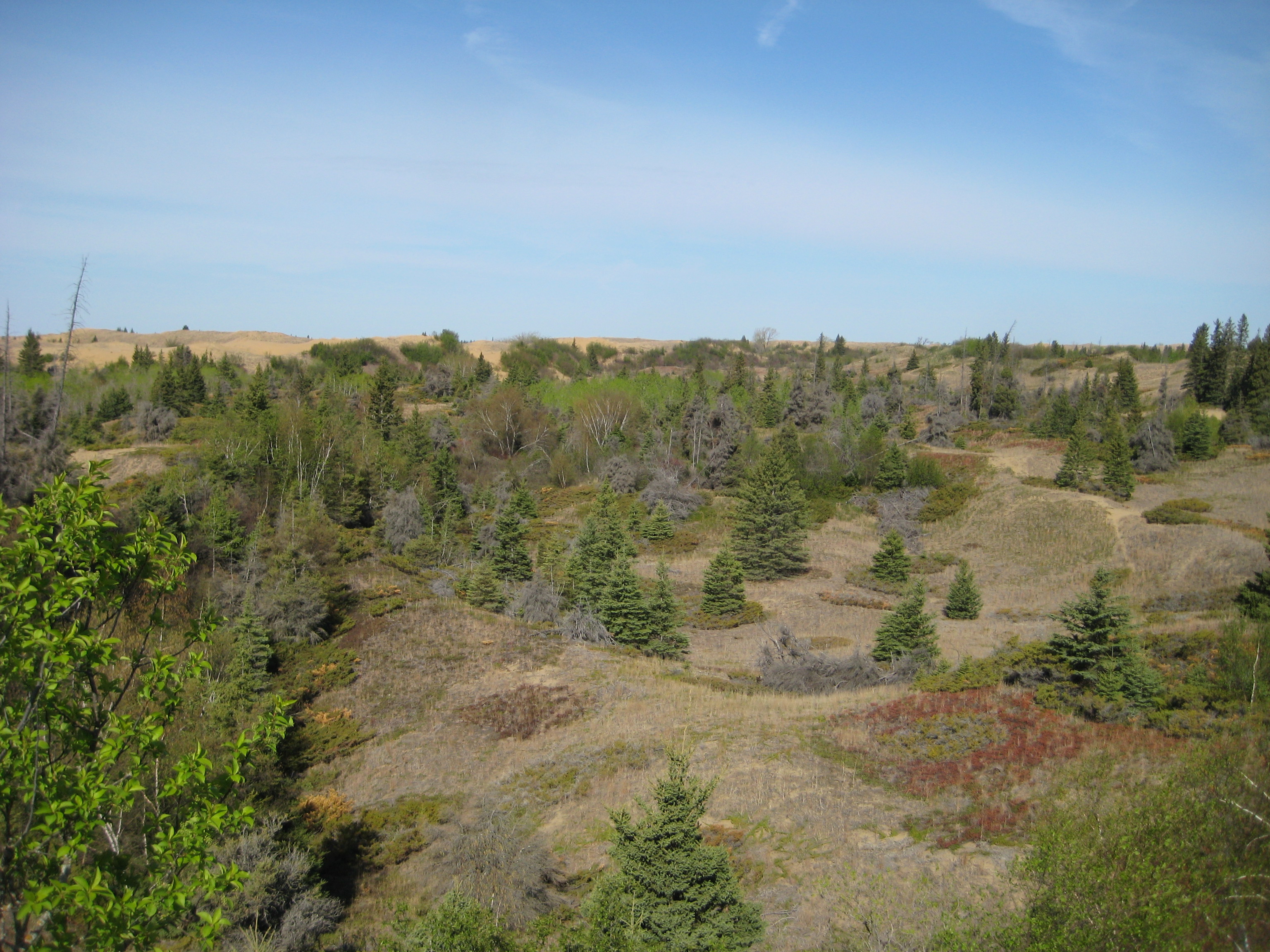
Grassland habitats are terrestrial biomes dominated by grasses and herbaceous plants, supporting a variety of grazing animals.
This trait characterizes organisms whose diet consists entirely or primarily of plant material.

Describes plants that are particularly attractive and beneficial to a wide range of pollinating organisms.

Diurnal animals are primarily active during daylight hours, typically resting or sleeping at night.

Pertaining to species that are significantly smaller than typical or average for their kind.

Describes organisms that transfer pollen, enabling the fertilization and reproduction of plants.
No aliases listed yet.
Danger
1/5 · Very low
Always watch butterflies from a distance and don't try to catch them.
The easiest way to identify Garita Skipperling is to use the Snappit nature identifier app.
20-25 mm
10-15 mm
10-20 days
8 km/h
Adults sip nectar from wildflowers; caterpillars munch on various grasses.
Grasslands
Foraging
Zoom in to split clusters and explore where this object has been snapped.
Recent snaps will appear here as new observations are added.
Take the discovery with you
Snap it with Snappit to identify it, learn what makes it special, and add the discovery to your collection.






.jpg&width=800)



